


13629
Former Michigan Stars File $50 Million Lawsuit Against NCAA and Big Ten Over NIL Profits
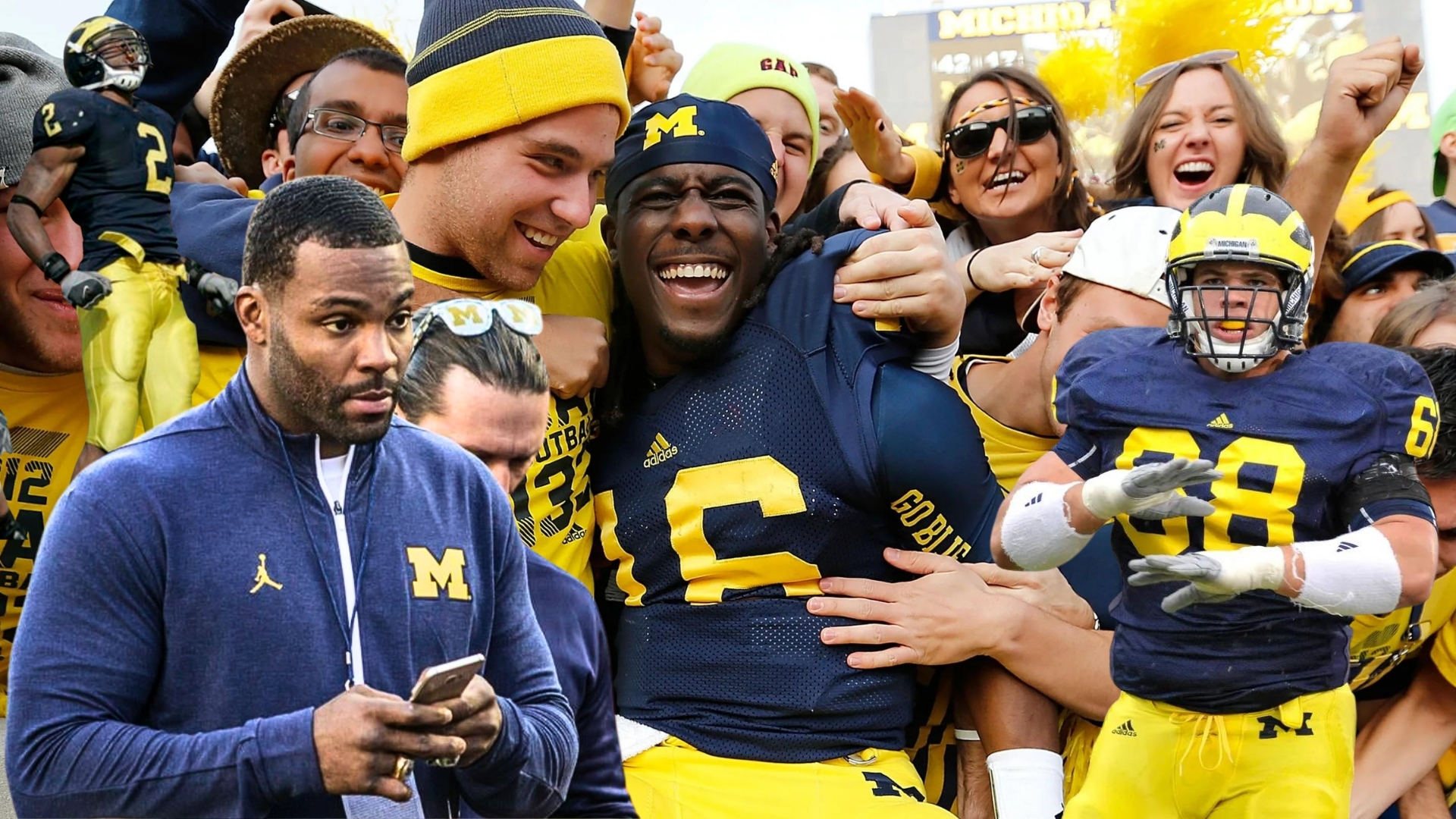
The Lawsuit and Key Players Former Michigan football stars Braylon Edwards, Denard Robinson, Mike Martin, and Shawn Crable have filed a landmark $50 million class-action lawsuit against the NCAA and Big Ten Network. The case centers around the players’ claims that, during their college careers, the NCAA and Big Ten profited off their names, images, and likenesses (NIL) without compensating them. This legal action is one of the first major lawsuits from former athletes demanding reparations for NIL exploitation before current NIL rules were implemented.
Retroactive Compensation for Past Athletes Although NIL rights were introduced in 2021, allowing current college athletes to profit from their likenesses, past athletes, like Edwards and Robinson, never saw a penny from the extensive use of their images and performances. The plaintiffs argue that while universities, networks, and the NCAA profited heavily from their efforts, they were denied their rightful share of those earnings. The lawsuit aims to seek compensation for these former athletes, marking a major step in potentially rewriting the NCAA’s history of amateurism.
Legal Ground for the Case The lawsuit was filed in the Eastern District of Michigan, with attorney Jim Acho representing the four former Wolverines. According to the lawsuit, the NCAA and Big Ten engaged in “systematic exploitation” by using the players’ personal attributes without fair compensation. The suit seeks declaratory and injunctive relief, as well as compensatory and punitive damages for the alleged misappropriation. In addition to the financial demands, the lawsuit calls for an injunction to prevent future use of these players’ likenesses without compensation.
The Broader Implications for the NCAA and Big Ten Attorney Acho, who represents the former players, believes that this lawsuit could open the floodgates for similar legal actions from athletes at other major programs. “This is not just about Michigan,” Acho said. “Numerous former athletes from major programs have expressed interest in seeking justice for the way their identities were used.” The lawsuit raises questions about how far back the NCAA may need to go to address these grievances, potentially exposing the organization to a wave of retroactive NIL claims.
Challenges and Potential Timelines Legal experts suggest that this case could take years to resolve due to its complexity and potential precedent-setting nature. The NCAA has been slow to respond to past claims of exploitation, and if this lawsuit progresses, it could force the organization to reconsider its entire approach to compensating former players. Should the case succeed, it could result in significant financial settlements for former athletes and lead to widespread reform in how the NCAA handles NIL rights for past, present, and future players.
This lawsuit, if successful, will likely influence other athletes to take legal action, forever changing the landscape of college sports and the financial benefits available to the athletes who helped build it. The next steps in the litigation will be closely watched by sports organizations, universities, and athletes across the country, as this case has the potential to reshape the relationship between college athletes and the NCAA.
4591