







About
Your subscription greatly helps RingMasters develop his athletic career, and you have full access to his exclusive content.
0
RingMasters
901
RingMasters
834
RingMasters
762
RingMasters
632
RingMasters
617
RingMasters
537
799
790
Jake Paul's Double Broken Jaw: Why Getting Destroyed by Anthony Joshua Actually Earned Him Respect
The
YouTuber-turned-boxer finally fought a real fighter in his prime—and paid the price. But even in defeat, he proved something important
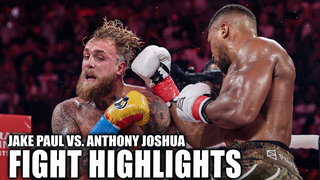
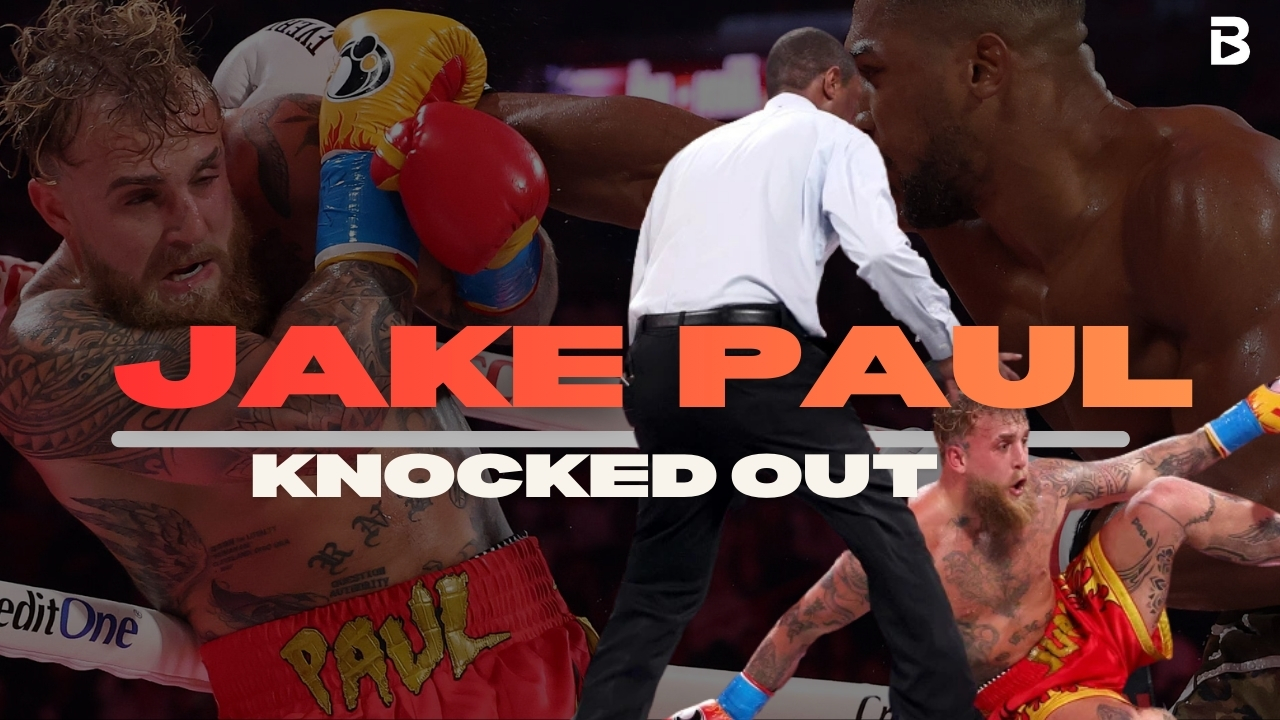
Jake Paul drove himself to the hospital Friday night with a double broken jaw after Anthony Joshua knocked him out in the sixth round. The X-ray he posted on social media showed fractures in two places. His teeth were visibly out of alignment. Blood poured from his mouth during the post-fight interview.
And somehow, despite the brutal loss, Jake Paul earned more respect from the boxing world in defeat than he did from most of his previous wins.
Here's why that matters—especially for young athletes watching.
Friday night in Miami on Netflix, Jake Paul stepped into the ring against Anthony Joshua—a two-time unified heavyweight champion, Olympic gold medalist, and one of boxing's most dangerous punchers. Joshua entered 29-4 with 26 knockouts. Paul gave up 30 pounds and five inches in height.
Most analysts predicted Paul would be knocked out in the first two rounds.
He made it to the sixth.
Paul was dropped four times—once in the fourth, once in the fifth, and twice in the sixth before the referee stopped it. Joshua's final right hand broke Paul's jaw in two places, sending him crashing to the canvas for the last time.
"I think my jaw is broken, by the way," Paul said immediately after. "It's definitely broke. Man, that was good. Nice little ass-whooping from one of the best to ever do it."
He then drove himself to the hospital, where the double fracture was confirmed. Recovery time: four to six weeks.
THE MOMENT YOU’VE ALL BEEN WAITING FOR.
— george (@StokeyyG2) December 20, 2025
Jake Paul’s final moments against Anthony Joshua… pic.twitter.com/NCI2OktHB1
Jake Paul is 12-2 as a professional boxer now. Before Joshua, his record included wins over a YouTuber, a basketball player, two retired MMA fighters (one of whom was 58 years old), and a few journeyman boxers. His biggest win was over Tyron Woodley, a former UFC champion who hadn't boxed professionally before fighting Paul.
Critics called him a fraud. A cherry-picker. Someone who only fought carefully selected opponents he knew he could beat.
Then he fought Anthony Joshua—an active, elite-level heavyweight in his prime.
And got destroyed.
But here's what changed: He actually took the fight.
This wasn't Mike Tyson at 58 years old. This wasn't Ben Askren, a wrestler trying boxing for the first time. This was Anthony Joshua, a fighter who knocked out legitimate heavyweight contenders, who held unified world titles twice, who competed at the absolute highest level of the sport.
Paul could have kept fighting retired MMA stars and cashing checks. Instead, he stepped into the ring with someone who could genuinely hurt him.
And Joshua did exactly that.
Immediately after the knockout, even Joshua—who had called anything short of a first-round knockout "a failure"—gave Paul credit.
"Jake has done really well tonight, I want to give him his props," Joshua told Netflix. "You have to give Jake his respect for trying, trying and trying. But he came up against a real fighter tonight."
He later added: "A lot of fighters haven't got in the ring with me, and Jake did. And even when he got knocked down, he kept on trying to get up, and I take my hat off to him."
That's significant. Joshua wasn't patronizing. He was acknowledging something boxing people value: showing up and fighting when you know you're outmatched.
Paul survived almost six rounds against a fighter who knocked out Francis Ngannou (former UFC heavyweight champion) in two rounds. He lasted longer than Charles Martin, a former world champion. He got dropped four times and kept getting up until his body literally wouldn't let him anymore.
Boxing Twitter, typically merciless toward Paul, started giving him credit. Not for skill—he clearly wasn't in Joshua's league—but for heart. For actually taking a real fight. For stepping into the ring against legitimate danger instead of manufactured spectacle.
This angle of AJ’s KO over Jake Paul 😳 pic.twitter.com/6Nq3WfnZIS
— Source of Boxing (@Sourceofboxing) December 20, 2025
Taking Real Challenges Matters: Paul could have stayed undefeated by selecting easy opponents. Instead, he took a fight he'd probably lose. His record shows a loss, but his credibility went up. Quality of challenges matters more than quantity of easy wins.
How You Lose Defines You: Paul didn't make excuses. He acknowledged the beating, said he loved it, talked about coming back stronger. That mentality separates athletes who plateau from those who grow.
Respect Comes From Authentic Competition: Years of fighting weak opponents earned no respect. One night against a real fighter—in devastating loss—earned more credibility than all those wins combined.
Physical Toughness Is Real: Paul took shots that would knock out most people and kept getting up. Elite-level sports demand elite-level toughness.
Recovery Matters: "I've been going hard for six years, so I'm going to take some time off." He's taking 4-6 weeks to heal, then moving to cruiserweight. That's professional thinking.
Paul's willingness to fight Joshua brought millions of Netflix subscribers to watch legitimate boxing. The event set a record as the highest-grossing gate in Miami's Kaseya Center history. Viewers who tuned in for spectacle watched actual elite-level boxing.
For young fighters trying to make it, Paul's platform brings attention to the sport. His loss might convince more serious fighters to take similar high-profile fights.
Paul plans to move back to cruiserweight and pursue a world championship. That's realistic—at cruiserweight, he'd fight people his own size instead of giving up 30 pounds to heavyweight monsters.
His boxing skills are legitimate at that level. Against actual cruiserweights, he could compete for real titles.
But first, he's taking time off. "I'm going to heal the broken jaw, come back and fight people my weight, and go for the cruiserweight world title," he said.
Smart move. This loss doesn't diminish his abilities—it clarifies where he belongs in boxing.
Jake Paul's story isn't traditional. He didn't come up through amateur boxing or pay dues in small venues. He used his platform and money to buy his way into big fights.
But Friday night, money couldn't protect him. When Joshua's right hand broke his jaw in two places, Paul experienced real professional boxing.
He got up three times. The fourth time, he couldn't.
That's not embarrassing. That's courage.
Young athletes often avoid hard competition to protect their record or image. Jake Paul just showed millions what happens when you face someone better: sometimes you get your jaw broken. Sometimes you lose badly.
And sometimes, that loss earns more respect than all your wins combined.
Paul will heal, move to cruiserweight, and fight for actual titles. Whether he wins or loses, he's proven he's willing to step in when it matters.
That's more than most people can say.
BallerTube helps young athletes showcase their skills and build recruiting profiles. Whether you're winning or learning from losses, your journey matters. Start building your future at BallerTube.com.
639
819
12534

2311
799
790
Jake Paul's Double Broken Jaw: Why Getting Destroyed by Anthony Joshua Actually Earned Him Respect
The
YouTuber-turned-boxer finally fought a real fighter in his prime—and paid the price. But even in defeat, he proved something important
Jake Paul drove himself to the hospital Friday night with a double broken jaw after Anthony Joshua knocked him out in the sixth round. The X-ray he posted on social media showed fractures in two places. His teeth were visibly out of alignment. Blood poured from his mouth during the post-fight interview.
And somehow, despite the brutal loss, Jake Paul earned more respect from the boxing world in defeat than he did from most of his previous wins.
Here's why that matters—especially for young athletes watching.
Friday night in Miami on Netflix, Jake Paul stepped into the ring against Anthony Joshua—a two-time unified heavyweight champion, Olympic gold medalist, and one of boxing's most dangerous punchers. Joshua entered 29-4 with 26 knockouts. Paul gave up 30 pounds and five inches in height.
Most analysts predicted Paul would be knocked out in the first two rounds.
He made it to the sixth.
Paul was dropped four times—once in the fourth, once in the fifth, and twice in the sixth before the referee stopped it. Joshua's final right hand broke Paul's jaw in two places, sending him crashing to the canvas for the last time.
"I think my jaw is broken, by the way," Paul said immediately after. "It's definitely broke. Man, that was good. Nice little ass-whooping from one of the best to ever do it."
He then drove himself to the hospital, where the double fracture was confirmed. Recovery time: four to six weeks.
THE MOMENT YOU’VE ALL BEEN WAITING FOR.
— george (@StokeyyG2) December 20, 2025
Jake Paul’s final moments against Anthony Joshua… pic.twitter.com/NCI2OktHB1
Jake Paul is 12-2 as a professional boxer now. Before Joshua, his record included wins over a YouTuber, a basketball player, two retired MMA fighters (one of whom was 58 years old), and a few journeyman boxers. His biggest win was over Tyron Woodley, a former UFC champion who hadn't boxed professionally before fighting Paul.
Critics called him a fraud. A cherry-picker. Someone who only fought carefully selected opponents he knew he could beat.
Then he fought Anthony Joshua—an active, elite-level heavyweight in his prime.
And got destroyed.
But here's what changed: He actually took the fight.
This wasn't Mike Tyson at 58 years old. This wasn't Ben Askren, a wrestler trying boxing for the first time. This was Anthony Joshua, a fighter who knocked out legitimate heavyweight contenders, who held unified world titles twice, who competed at the absolute highest level of the sport.
Paul could have kept fighting retired MMA stars and cashing checks. Instead, he stepped into the ring with someone who could genuinely hurt him.
And Joshua did exactly that.
Immediately after the knockout, even Joshua—who had called anything short of a first-round knockout "a failure"—gave Paul credit.
"Jake has done really well tonight, I want to give him his props," Joshua told Netflix. "You have to give Jake his respect for trying, trying and trying. But he came up against a real fighter tonight."
He later added: "A lot of fighters haven't got in the ring with me, and Jake did. And even when he got knocked down, he kept on trying to get up, and I take my hat off to him."
That's significant. Joshua wasn't patronizing. He was acknowledging something boxing people value: showing up and fighting when you know you're outmatched.
Paul survived almost six rounds against a fighter who knocked out Francis Ngannou (former UFC heavyweight champion) in two rounds. He lasted longer than Charles Martin, a former world champion. He got dropped four times and kept getting up until his body literally wouldn't let him anymore.
Boxing Twitter, typically merciless toward Paul, started giving him credit. Not for skill—he clearly wasn't in Joshua's league—but for heart. For actually taking a real fight. For stepping into the ring against legitimate danger instead of manufactured spectacle.
This angle of AJ’s KO over Jake Paul 😳 pic.twitter.com/6Nq3WfnZIS
— Source of Boxing (@Sourceofboxing) December 20, 2025
Taking Real Challenges Matters: Paul could have stayed undefeated by selecting easy opponents. Instead, he took a fight he'd probably lose. His record shows a loss, but his credibility went up. Quality of challenges matters more than quantity of easy wins.
How You Lose Defines You: Paul didn't make excuses. He acknowledged the beating, said he loved it, talked about coming back stronger. That mentality separates athletes who plateau from those who grow.
Respect Comes From Authentic Competition: Years of fighting weak opponents earned no respect. One night against a real fighter—in devastating loss—earned more credibility than all those wins combined.
Physical Toughness Is Real: Paul took shots that would knock out most people and kept getting up. Elite-level sports demand elite-level toughness.
Recovery Matters: "I've been going hard for six years, so I'm going to take some time off." He's taking 4-6 weeks to heal, then moving to cruiserweight. That's professional thinking.
Paul's willingness to fight Joshua brought millions of Netflix subscribers to watch legitimate boxing. The event set a record as the highest-grossing gate in Miami's Kaseya Center history. Viewers who tuned in for spectacle watched actual elite-level boxing.
For young fighters trying to make it, Paul's platform brings attention to the sport. His loss might convince more serious fighters to take similar high-profile fights.
Paul plans to move back to cruiserweight and pursue a world championship. That's realistic—at cruiserweight, he'd fight people his own size instead of giving up 30 pounds to heavyweight monsters.
His boxing skills are legitimate at that level. Against actual cruiserweights, he could compete for real titles.
But first, he's taking time off. "I'm going to heal the broken jaw, come back and fight people my weight, and go for the cruiserweight world title," he said.
Smart move. This loss doesn't diminish his abilities—it clarifies where he belongs in boxing.
Jake Paul's story isn't traditional. He didn't come up through amateur boxing or pay dues in small venues. He used his platform and money to buy his way into big fights.
But Friday night, money couldn't protect him. When Joshua's right hand broke his jaw in two places, Paul experienced real professional boxing.
He got up three times. The fourth time, he couldn't.
That's not embarrassing. That's courage.
Young athletes often avoid hard competition to protect their record or image. Jake Paul just showed millions what happens when you face someone better: sometimes you get your jaw broken. Sometimes you lose badly.
And sometimes, that loss earns more respect than all your wins combined.
Paul will heal, move to cruiserweight, and fight for actual titles. Whether he wins or loses, he's proven he's willing to step in when it matters.
That's more than most people can say.
BallerTube helps young athletes showcase their skills and build recruiting profiles. Whether you're winning or learning from losses, your journey matters. Start building your future at BallerTube.com.
639
RingMasters
901
RingMasters
834
RingMasters
762
RingMasters
632
RingMasters
617
RingMasters
537
RingMasters
1.5K
RingMasters
768
RingMasters
586
RingMasters
547
RingMasters
839
RingMasters
496