Every parent watching their child excel in sports eventually asks: "How does my child get recruited for college?"
The recruiting process can feel overwhelming and mysterious. Some athletes get discovered effortlessly while equally talented players never get noticed. The truth is, college recruiting isn't magic—it's a process. Understanding how it works gives your athlete a massive advantage.
When Does Recruiting Actually Start?
Recruiting starts earlier than most parents think, but it's never too late to begin.
Recruiting Timeline by Sport:
Basketball & Soccer: Evaluation begins 8th-9th grade, offers 9th-10th grade
Football, Baseball, Softball, Volleyball: Evaluation begins 9th-10th grade, offers 10th-11th grade
Track & Field: Evaluation begins 10th-11th grade, offers 11th-12th grade
D1 programs recruit earlier than D2 and D3 schools. Elite athletes may receive attention even younger.
Understanding NCAA Contact Rules
Before September 1st of Junior Year: Coaches cannot directly contact athletes
After September 1st of Junior Year: Coaches can initiate phone, email, and text contact
This means your athlete must be proactive. Waiting for coaches to reach out, especially before junior year, is a mistake.
The 5 Steps to Getting Recruited
Step 1: Meet Academic Requirements
Talent doesn't matter if your athlete isn't academically eligible.
- NCAA Division I: 2.3 GPA in 16 core courses
- NCAA Division II: 2.2 GPA in 16 core courses
- NCAA Division III: Must meet individual school standards
A 3.5+ GPA opens significantly more doors than a 2.5 GPA, even for talented athletes. Many recruited athletes get into schools they couldn't access academically without sports—but you still need minimum standards.
Step 2: Create Quality Highlight Videos
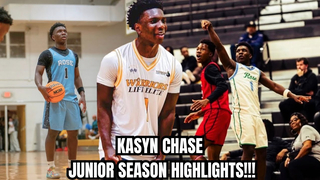
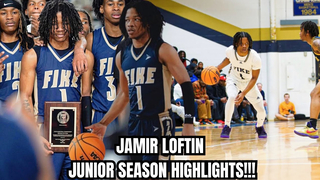
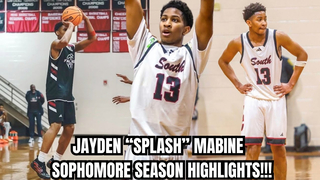
In 2025, if you don't have highlight video, you don't exist to college coaches.
Coaches receive hundreds of emails from interested athletes. They don't have time to watch full games. Highlight videos are how they evaluate talent efficiently.
What Makes a Good Highlight Video:
- Length: 3-5 minutes maximum (2-3 minutes ideal)
- Content: Best plays showing skills and athleticism
- Quality: Clear footage, good angles, stable camera
- Recent: Current or past season clips only
- Game footage: Performance under pressure, not practice
What Coaches Want to See:
- Athletic ability (speed, jumping, strength)
- Fundamental skills and technique
- Game IQ and decision-making
- Versatility across positions or roles
Critical Mistake: Including too much footage. Coaches watch 30 seconds to 2 minutes max before moving on. Quality over quantity always wins.
Where to Post Highlights:
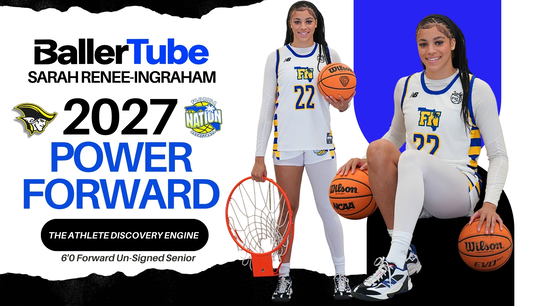
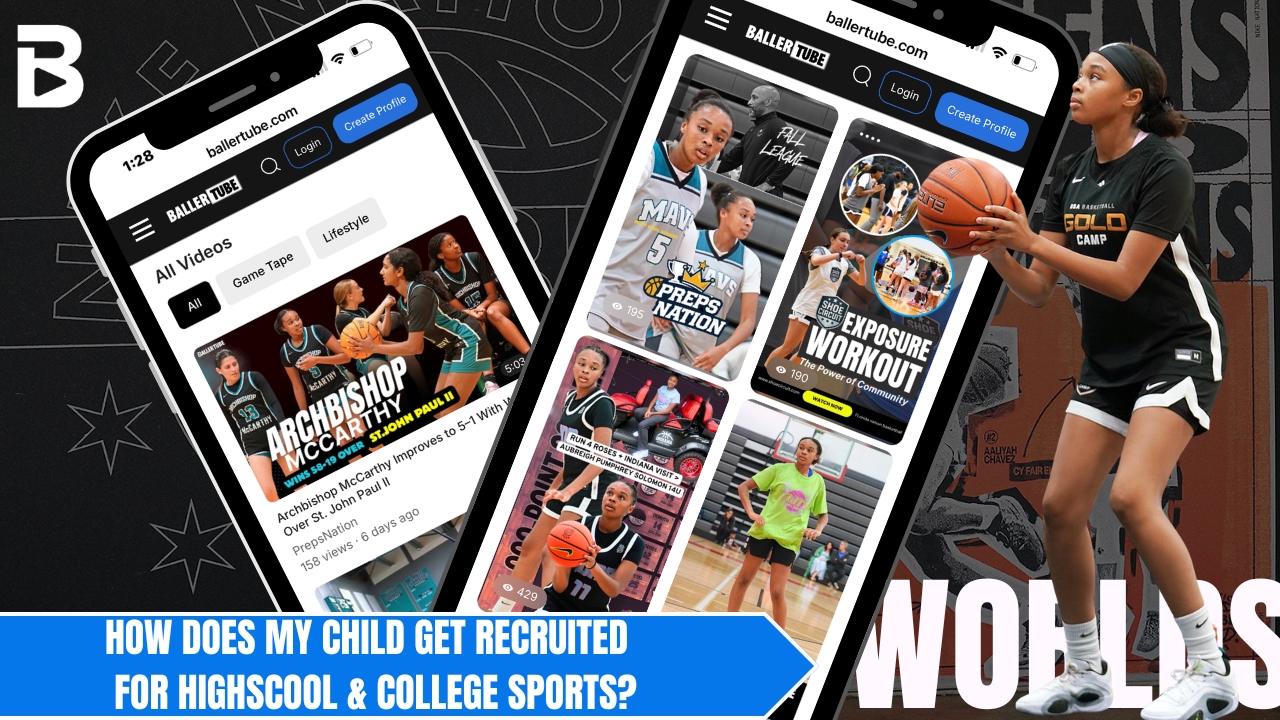
Your athlete needs a centralized hub where coaches can easily find and review their footage. Platforms like BallerTube are built specifically for athlete recruitment—providing organized profiles, unlimited uploads, and discovery tools that entertainment platforms like TikTok and Instagram don't offer. College coaches want dedicated athlete pages with clean footage, not highlights buried between dance videos and memes.
Step 3: Build a Digital Recruiting Profile
College coaches recruit online. Your athlete needs a professional digital presence.
Essential Components:
Dedicated Athlete Platform (like BallerTube):
- Organized highlight library
- Season stats and achievements
- Contact information and academics
- Tournament and showcase schedule
Social Media Presence:
- Twitter/X: Post highlights, stats, achievements, camp attendance
- Instagram: Showcase work ethic and team culture
- Keep it professional—coaches ARE watching
Professional Email:
- Use proper email address (not "hoopstar2009@gmail.com")
- Include grad year, position, and contact info in signature
Step 4: Contact Coaches Directly
The biggest mistake families make: waiting for coaches to find them.
Hundreds of talented players never get recruited because they assume coaches will discover them. Your athlete must be proactive.
Email Outreach Strategy:
Subject Line: [Name] - [Position] - [Grad Year] - [High School/Club]
Include:
- Brief introduction and interest in their program (be specific why)
- Key stats from past season
- Academic profile (GPA, intended major)
- Athletic measurements and position
- Link to highlight video and BallerTube profile
- Upcoming tournament schedule
Follow-Up:
- Email 20-50 schools based on realistic fit
- Update coaches every 2-3 months with new highlights
- Personalize every email—coaches know generic mass emails
Step 5: Choose the Right Camps and Showcases
Not all camps provide recruiting value. Some are legitimate. Others are expensive scams.
High-Value Camps:
- College Prospect Camps: Hosted by specific schools, direct evaluation
- Exposure Showcases: Multiple coaches attend (Nike EYBL, Perfect Game, ECNL)
Medium Value:
- Skills Development Camps: Teaching-focused with some coach exposure
Low Value (Often Scams):
- "Elite" or "All-American" Camps: Send invitations to anyone who pays, minimal real coach attendance
Red Flags: Unsolicited invitations, unclear about which coaches attend, expensive fees with vague benefits.
Reality Check: Camps matter most for athletes already on coaches' radars. If coaches don't know you yet, focus on getting film in front of them first.
Understanding Division Levels
Most families overestimate their athlete's division level. Being realistic opens more opportunities.
Division I (D1)
- Top 1-2% of high school athletes
- Full or significant scholarships
- All-conference or all-state caliber
- 20-30+ hours per week commitment
Division II (D2)
- Top 5-10% of high school athletes
- Partial scholarships
- Strong high school/club contributor
- 15-25 hours per week
Division III (D3)
- Top 10-15% of high school athletes
- No athletic scholarships (academic aid available)
- Good player with strong academics
- Most balanced athletics/academics
NAIA & Junior College
- Similar to D2 athletically
- Scholarships available
- Can be stepping stone to higher divisions
Playing D3 basketball is an incredible achievement. Don't dismiss realistic opportunities chasing an unrealistic D1 dream.
What Coaches Actually Look For
The Evaluation Breakdown:
- Athletic Ability (40%) - Speed, strength, size, explosiveness
- Skill Level (30%) - Technique, fundamentals, versatility
- Performance (15%) - Stats, consistency, success vs. quality competition
- Intangibles (10%) - Work ethic, coachability, leadership, sports IQ
- Academics (5%) - Eligibility and graduation likelihood
The Secret: Coaches evaluate "projectability"—who you'll become with college training, not just who you are now.
Common Recruiting Mistakes
Mistake #1: Starting Too Late Many families don't think about recruiting until junior year. By then, rosters are filling. Start building highlights and contacts freshman year.
Mistake #2: Targeting Only Elite Schools Every athlete wants Duke or Alabama. Create a tiered list of 30-50 schools including "reach," "realistic," and "safe" options.
Mistake #3: Relying Only on Your Coach Some coaches help actively. Many don't. Families must drive the process.
Mistake #4: Poor or No Highlight Video If coaches can't easily see your ability, they move on to athletes who have quality film.
Mistake #5: Waiting for Contact Except for elite national recruits, coaches won't find you without help.
Mistake #6: Neglecting Academics Athletic ability gets you recruited. Academics keep you eligible and open better scholarship opportunities.
Your Recruiting Action Plan
Freshman-Sophomore Year:
✅ Film games for highlights ✅ Create BallerTube profile ✅ Research college programs ✅ Maintain strong GPA ✅ Attend local college camps
Junior Year:
✅ Finalize highlight video ✅ Email 30-50 target schools ✅ Register with NCAA Eligibility Center ✅ Attend showcases where target coaches attend ✅ Take unofficial visits
Senior Year:
✅ Regular coach communication ✅ Take official visits (max 5) ✅ Compare scholarship offers ✅ Make commitment ✅ Sign National Letter of Intent
Final Thoughts
Athletes who get recruited aren't always the most talented. They're the ones who:
✓ Make themselves visible to coaches ✓ Have quality, accessible film ✓ Communicate professionally ✓ Target appropriate competition level ✓ Meet academic requirements ✓ Stay persistent through rejection
Your athlete's recruiting success depends on two things:
- Being Good Enough - Development and performance
- Being Seen - Visibility and making evaluation easy
You can't control natural talent. But you absolutely control effort, organization, and exposure.
Start today. Build your athlete's profile on BallerTube. Research target schools. Send that first email. Every action moves closer to their college sports dream.
The recruiting process isn't magic—it's a process. And now you know exactly how it works.