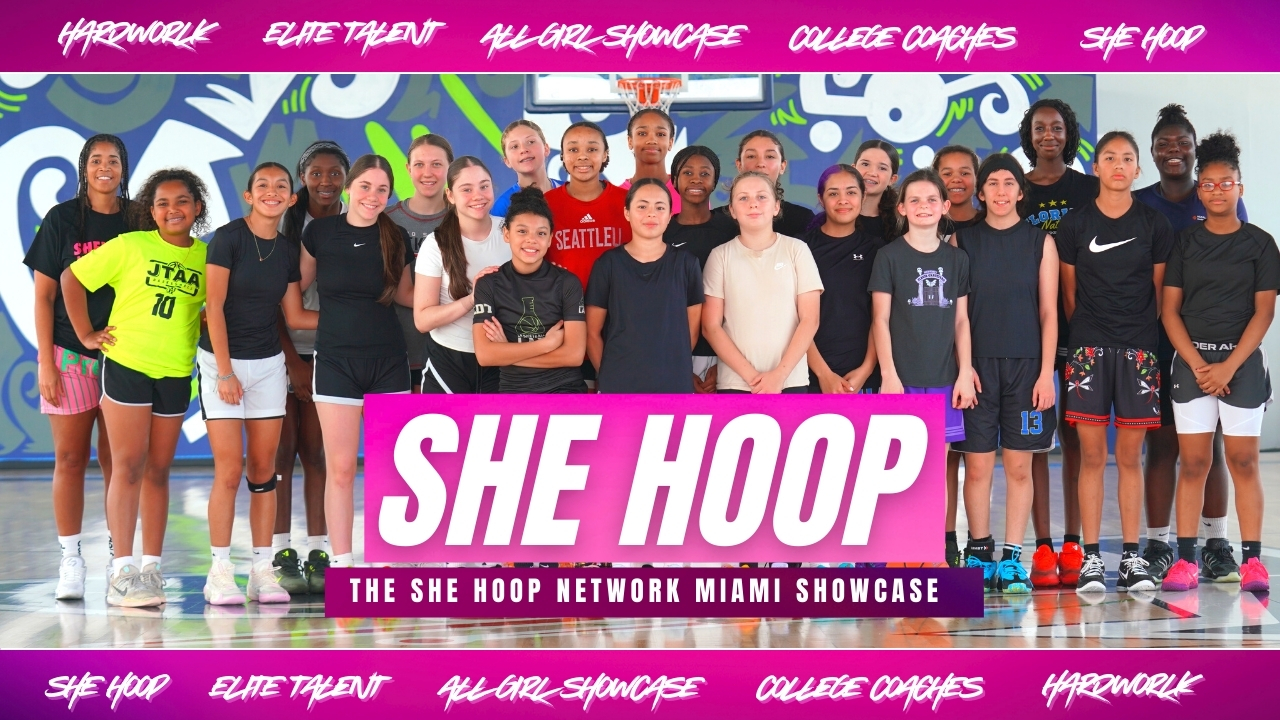
She Hoop Network's recent clinic brought together South Florida's emerging basketball talent for a day of intensive skill development and competitive play. Spanning grades 5 through 10, the session divided athletes by age group while emphasizing the core principles that translate across every level: effort, basketball IQ, and competitive fire.
From individual skill work through full-court 5v5 competition, the clinic created an environment where young athletes could test themselves against peers, absorb coaching, and showcase their development in real basketball situations.
Progressive Development: Building From 1v1 to 5v5
She Hoop Network's clinic structure reflected smart developmental philosophy—start with individual skills, then progressively add complexity until athletes are executing in full-game scenarios.
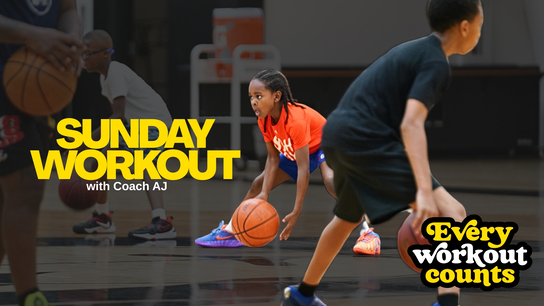
The session began with 1v1 drills that tested individual offensive and defensive skills in isolation. Without teammates to rely on, athletes had to create their own scoring opportunities while defending in space—fundamentals that translate to every basketball situation.
These drills revealed which athletes could create separation with their footwork, finish through contact, and maintain defensive principles without help. The competitive nature pushed athletes to attack aggressively while the controlled environment allowed coaches to provide immediate feedback on technique, decision-making, and effort.
Adding a second player on each side introduced pick-and-roll concepts, off-ball movement, and help defense principles. Athletes learned to read how defenses reacted to ball screens, when to slip screens versus set them hard, and how to communicate on defensive rotations.
The 2v2 segments separated athletes who understand basketball from those still learning the game. Reading a defender's positioning, making the right pass versus taking a contested shot, and rotating on defense all require basketball IQ that can't be faked.
3-on-3 Play
Three-on-three basketball is where skill meets strategy. With enough space to operate but enough bodies to require teamwork, 3v3 drills taught spacing concepts, cutting principles, and defensive rotations that mirror full-court play.
Athletes worked on reading defenses in real time—recognizing when to drive versus kick, when to cut versus space, and how to communicate on switches and rotations. The competitive nature brought out intensity while the smaller numbers kept everyone engaged rather than standing in corners watching.
5-on-5 Live Action
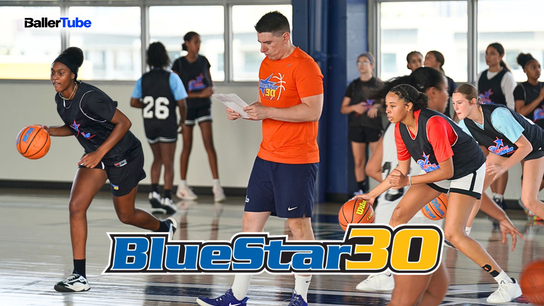
Full-court 5v5 represented the culmination of everything learned in earlier drills. Athletes executed offensive sets, ran transition, communicated defensively, and competed in the closest simulation to actual game conditions.
This segment revealed who could translate drill work into live competition. The best athletes maintained their technique under pressure, made smart decisions with the game on the line, and elevated their intensity when competition demanded it.
Campers of the Day: When Excellence Creates Impossible Decisions
Throughout the day's drills—from 1v1 through 5v5—two true freshmen consistently stood out: Aubreigh Pumphrey-Solomon and Devyn Godfrey.
Both athletes demonstrated the complete package coaches look for: technical skill execution during controlled drills, basketball IQ when reading live situations, competitive fire when challenged, and coachability when receiving instruction. Whether working through individual footwork drills or executing in 5v5 competition, both freshmen approached every rep with focus and intensity.
By day's end, the coaching staff faced an impossible choice. Both had earned Camper of the Day honors through identical excellence across every drill segment and competitive scenario. Rather than simply name co-winners, the staff created one final test: a shootout to determine the day's top performer.
The moment tested composure under pressure as both athletes stepped up with their peers watching. Win or lose, both Pumphrey-Solomon and Godfrey had already proven they possess the competitive mindset and skill foundation to succeed at higher levels.
Standouts Across Multiple Grade Groups
With athletes ranging from 5th through 10th grade divided by age groups, the clinic showcased talent at various developmental stages. Several athletes demonstrated the kind of effort, engagement, and competitive fire that accelerates development:
Sohilah Frazer brought relentless energy across every drill segment and competitive scenario. From 1v1 through 5v5, her effort level never wavered. Whether attacking closeouts in 2v2 situations or sprinting back in transition during full-court play, Frazer's motor set the tone for her age group. This consistency separates athletes who talk about working hard from those who actually do it.
Daniella Pujadas (SLAM Academy) showed impressive activity and engagement throughout skill sessions. Her willingness to ask questions during teaching moments and immediately apply corrections demonstrated coachability that accelerates development. During team concepts and live play, Pujadas translated individual skill work into smart basketball—making the right pass, cutting at the right time, and communicating on defense.
Demi Pujadas (SLAM Academy) competed with intensity across every drill type. Whether battling in 1v1 situations or executing in 5v5 action, Demi approached each moment with competitive fire. Her consistent effort from early skill work through late-session live play showed the kind of competitive stamina required for high-level basketball.
Rayna Benoit (North Miami) delivered standout moments during both skill work and live competition. Her ability to elevate when drills became competitive showed a gear many young athletes struggle to access. During 3v3 and 5v5 segments, Benoit made winning plays—grabbing loose balls, finishing through contact, and competing on defense—that separated her from peers.
The Value of Multi-Grade, Structured Development
She Hoop Network's clinic structure—dividing athletes by grade while emphasizing progressive skill development—creates ideal learning environments for young basketball players.
Age-Appropriate Competition
Grouping athletes by grade ensures they compete against similarly developed peers. Fifth graders aren't overwhelmed by tenth graders' size and strength, while older athletes face challenges appropriate to their developmental stage. This structure lets everyone compete confidently while being pushed to improve.
Progressive Complexity
Building from 1v1 through 5v5 teaches basketball the right way. Athletes master individual skills before adding teammates and complexity. Each progressive step reinforces fundamentals while introducing new concepts—the same developmental path used by elite programs at every level.
Competitive Learning Environment
Structuring drills as competitions rather than static skill work keeps athletes engaged while teaching them to perform under pressure. The best athletes maintain their technique when competing hard; mediocre athletes fall apart when intensity rises. These drills separate the two while teaching everyone to compete with composure.
Immediate Feedback and Adjustment
With athletes divided by age and drills progressing logically, coaches can provide specific, actionable feedback athletes can immediately apply. Correcting a footwork mistake in 1v1 drills means athletes execute better when that same move appears in 5v5 action minutes later.
What This Clinic Reveals About Development
Quality basketball development requires more than simply rolling balls out and letting kids play. She Hoop Network's structured approach—progressive drills, age-appropriate grouping, competitive scenarios, and immediate coaching—creates the environment where real improvement happens.
Athletes who attend clinics like this one don't just get better at basketball—they learn how to compete, how to receive coaching, how to apply instruction immediately, and how to maintain intensity across long sessions. These meta-skills separate good high school players from those who succeed in college.
For young athletes building profiles through platforms like BallerTube, participation in quality developmental environments matters. College coaches don't just evaluate talent—they assess coachability, work ethic, basketball IQ, and competitive mindset. Clinics like She Hoop Network's create opportunities to develop and demonstrate all of these qualities.
Conclusion: Building Basketball IQ Through Competition
She Hoop Network's clinic succeeded because it balanced skill development with competitive intensity. Athletes learned through doing, competing through every drill while receiving coaching that improved their execution in real time.
From 5th graders learning fundamentals through 10th graders refining advanced concepts, every athlete faced age-appropriate challenges that pushed their development. The progressive structure—1v1, 2v2, 3v3, 5v5—taught basketball the right way, building complexity as athletes demonstrated mastery.
For Pumphrey-Solomon, Godfrey, Frazer, both Pujadas sisters, Benoit, and every athlete who competed, the clinic provided exactly what developmental basketball should offer: competitive challenges, quality coaching, and opportunities to grow.
This is how you build basketball players—one competitive drill at a time, one coaching correction applied immediately, one age group at a time. She Hoop Network delivered exactly that.