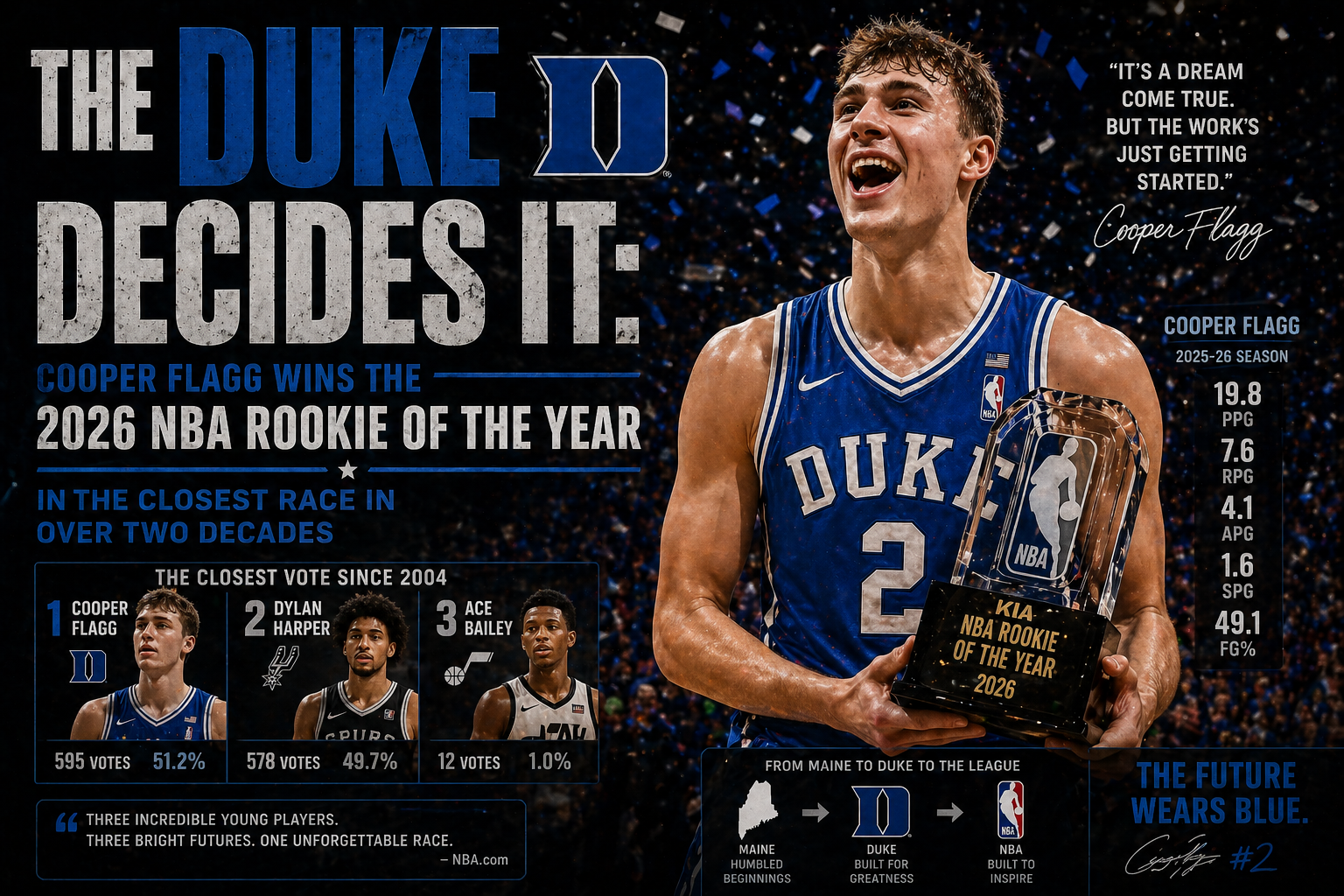
The Duke Decides It: Cooper Flagg Wins the 2026 NBA Rookie of the Year in the Closest Race in Over Two Decades
They were college roommates at Duke. They went No. 1 and No. 4 in the same draft. They spent an entire season pushing each other across a two-man race that nobody in the sport could look away from. And in the end, 56 votes decided it.
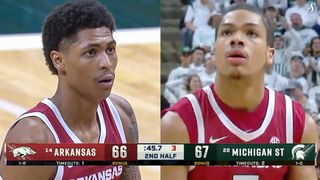
The 2025-26 NBA Rookie of the Year race was, by every objective measure, the closest, most philosophically complex, and most genuinely debated first-year competition the league has produced in the modern era. When the NBA announced its official voting results on Monday, Cooper Flagg of the Dallas Mavericks had won — 56 first-place votes to Kon Knueppel's 44, a final point tally of 412 to 386, and a margin of victory that stands as the second-smallest since the current voting format was introduced in the 2002-03 season. The race between two former Duke Blue Devils wasn't just close. It was the kind of debate that forced voters, analysts, and fans to genuinely examine what the Rookie of the Year award is actually supposed to reward — and produced two completely valid answers that pointed in opposite directions.
Cooper Flagg: The Stats That Put Him Among Legends
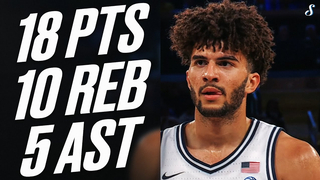
Flagg's case for the award begins and ends with the numbers, because the numbers are almost impossibly good for a 19-year-old playing his first professional season. He averaged 21.0 points, 6.7 rebounds, 4.5 assists, 1.2 steals, and 0.9 blocks per game while shooting 46.8% from the field across 70 games. He led the Dallas Mavericks in scoring, rebounds, assists, and steals — making him and Michael Jordan the only rookies since the 1973-74 season to lead their team in all four of those statistical categories for a full season. He and Larry Bird and Luka Dončić are the only rookies to average at least 20 points, six rebounds, and four assists since the ABA-NBA merger. He is the second-youngest player in NBA history to win the Rookie of the Year award, behind only LeBron James. He is the third Maverick to win the award, joining Jason Kidd (1995) and Luka Dončić (2019).
The individual moments were just as historic as the averages. Flagg became the youngest player in NBA history to score 50 points in a single game, doing so against the Orlando Magic in February. He became the youngest player ever to have separate games of 35, 40, 45, and 50 points. At 19, on a team that traded Anthony Davis mid-season and was in active rebuild mode, with no meaningful co-star or supporting cast to ease the burden, Flagg absorbed everything the league threw at him and delivered transcendent individual performances on a weekly basis.
The Mavericks finished 26-56. Flagg missed 11 games between mid-January and early March. Dallas traded Anthony Davis and essentially began openly prioritizing the draft over winning in the final stretch of the season. None of that deterred Flagg. He averaged over 25 points per game in his final 15 full games of the season, adding 6.8 rebounds and 5.5 assists per game over that stretch as if determined to make the award case on his own terms. The late-season surge, many analysts believe, was the deciding factor in flipping votes from Knueppel back to Flagg after the Charlotte guard appeared to have the award locked up entering March.
Kon Knueppel: The Case That Nearly Won
Knueppel's argument was different in every dimension, and it was compelling enough to earn 44 of 100 first-place votes — a number that, in any normal season, would represent a comfortable victory. He averaged 18.5 points, 5.3 rebounds, and 3.4 assists per game while shooting an astonishing 42.5% from three-point range on nearly eight attempts per game. He led the entire NBA in three-pointers made with 273 — a new Hornets franchise record, shattering the mark previously held by Kemba Walker. He set a new NBA rookie record for three-pointers made in a single season. He became the first Hornet to win four Rookie of the Month awards in a single season. He joined Larry Bird and Paul Pierce as the only rookies in NBA history — minimum 25 games — to average 15 points and 5 rebounds per game while shooting 40% from three.
And — critically — his team won. The Charlotte Hornets began the season 4-14, endured LaMelo Ball trade rumors, and looked like a team heading toward a lottery pick. Then Knueppel settled in, and the Hornets went 40-24 over their final 64 games with the third-best offense and fifth-best net rating in basketball. Charlotte finished 44-38 — well above their preseason projected win total of 27.5 — and reached the play-in tournament for the first time since 2022. Knueppel's three-point shooting, combined with the spacing it created for Ball and Brandon Miller, transformed the team's offensive identity from one of the league's worst to one of its most efficient. The Hornets were measurably better when he was on the floor: 3.6 points per 100 possessions better, translating to roughly eight additional wins.
The efficiency argument sat at the center of Knueppel's case. His Player Impact Estimate ranked second among all qualified rookies. His team's record was the undeniable counterpoint to Flagg's superior per-game numbers — and because winning almost never factors into the Rookie of the Year debate (most top rookies are drafted to lottery teams), Knueppel's case was philosophically unusual. He didn't just join a good team. He helped build one.
What Ultimately Decided It
The vote was closer at every stage of the season than it appeared from the outside. Flagg was the initial favorite before his slow start — the Mavericks' organizational chaos and his own adjustment period dropping him in voters' minds through October and November. Knueppel's emergence as a historic shooter and Charlotte's stunning turnaround pushed the Charlotte guard into frontrunner status through February and early March. Flagg's late surge from 25 points per game over his final 15 games brought the race to a photo finish.
Then came the play-in tournament, and a twist nobody expected. Because multiple players had applied for exceptions to the NBA's 65-game minimum requirement for award consideration, ballots were not sent to voters until after the play-in games had been played — an unusual timeline that meant Knueppel's performance in the play-in actually factored into the final voting calculus. Knueppel struggled in the play-in against Orlando, and the Hornets were eliminated. Voters who were on the fence saw that performance in the final window before casting their ballots.
Flagg himself was warm and generous about his former teammate in the aftermath. "I see the games every night," he said of watching Knueppel's stat lines throughout the season. "I think also I was watching Kon just because that's one of my brothers. We had such a good connection, and we're gonna be there for each other for the rest of our lives. I was watching him as a fan, as well, but there was obviously that competition at the same time." The two men who split 100 first-place votes between them — who shared a dorm room at Duke just two years ago — are now locked into a professional rivalry that will define their careers for the next fifteen years. The hardware went to Flagg. The debate will never fully close.
Cooper Flagg, 2025-26 NBA Rookie of the Year. Final vote: Flagg 412 points (56 first-place votes), Knueppel 386 points (44 first-place votes). Margin: second-smallest since 2002-03. Third finalist: VJ Edgecombe, Philadelphia 76ers. Flagg's season averages: 21.0 PPG, 6.7 RPG, 4.5 APG. Knueppel's season averages: 18.5 PPG, 5.3 RPG, 273 3PM (NBA-leading).