

How BallerTube WorksSix guides to getting the most out of BallerTube
Create Your ProfileBuild your digital sports resumé with highlights and game tapeLearn How
Film, Upload, Watch & ShareOne place to store and share your entire sports career with just one linkLearn How
Stream Games LiveGo live or host Pay-Per-View events streaming.Learn How
NIL, Recruiting & ExposureResources to help athletes and families turn exposure into real opportunities.Learn How
Earn From Your ContentGet tips from fans and your premium contentLearn How
Power Your ProgramTag your athletes, manage all your program's media in one place and make recruiting easier.Learn How
Upload a Video or Reel
Choose Below
Videos are full screen (16:9) and Reels are vertical videos (9:16)
Trae Young Highlights, Videos and Stats

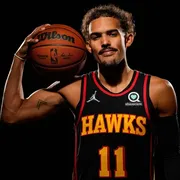
Trae Young
6'1 Point Guard
2612 Profile Views
15 Videos
About
Are you sure you want to cancel your Trae Young subscription?
Your subscription greatly helps Trae Young develop his athletic career, and you have full access to his exclusive content.
Trae Young
Bio
Rayford Trae Young, born on September 19, 1998, is an exceptional American professional basketball player currently contributing to the Atlanta Hawks in the National Basketball Association (NBA). His collegiate journey unfolded at the University of Oklahoma, where he made history by leading the NCAA in both points and assists during a single season, an accomplishment unparalleled in the league.
Trae, nicknamed "Ice Trae," was selected by the Dallas Mavericks in the 2018 NBA draft but was swiftly traded to the Atlanta Hawks, where he quickly established himself as a force to be reckoned with. In his debut season, he earned unanimous recognition in the 2019 NBA All-Rookie First Team alongside fellow standout Luka Dončić.
Born in Lubbock, Texas, Trae grew up in a basketball-centric environment, with his father, Rayford Young, having played professionally in Europe. Raised in Pampa, Texas, by his mother and paternal grandparents, Trae emerged as a basketball prodigy at Norman North High School in Norman, Oklahoma. His high school career saw remarkable achievements, including leading his team to championships and earning accolades like Oklahoma's Sophomore of the Year.
Trae Young's journey continued to soar at the collegiate level, where he committed to the University of Oklahoma as a five-star recruit. His freshman season was nothing short of spectacular, setting records, leading statistical categories, and earning national recognition, including the Wayman Tisdale Award for National Freshman of the Year.
Transitioning to the NBA, Trae made an immediate impact with the Atlanta Hawks. His performances, characterized by high-scoring games and impressive assists, led to multiple All-Star selections and All-NBA Team honors. Notably, in the 2020-21 season, he guided the Hawks to the Eastern Conference Finals, showcasing his ability to thrive in high-stakes playoff situations.
In the 2021-22 season, Trae continued his stellar performances, setting franchise records and leading the league in both total points and assists. This remarkable achievement solidified his place in NBA history alongside legends like Tiny Archibald.
The 2022-23 season marked a career-high in assists per game for Trae Young, showcasing his evolving skills. Despite a valiant effort in the playoffs, the Hawks faced elimination against the Boston Celtics in the first round.
In the ongoing 2023-24 season, Trae Young's brilliance continues, with standout performances and a third All-Star selection. He etched his name in history by surpassing Mookie Blaylock for the most three-pointers made in Hawks franchise history.
Beyond his NBA success, Trae Young has also contributed to the U.S. men's national U18 team, winning a gold medal at the 2016 FIBA Americas Under-18 Championship. With a blend of scoring prowess, playmaking abilities, and a knack for breaking records, Trae Young remains a pivotal figure in the landscape of professional basketball.
Player Info
Position:
Point Guard
Country:
United States
City:
Lubbock, Texas
Age:
28
School:
Oklahoma
Height:
6'1
Weight:
164
Live now
Ended lives 2108
Latest Video
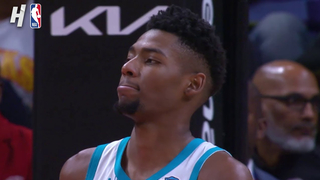
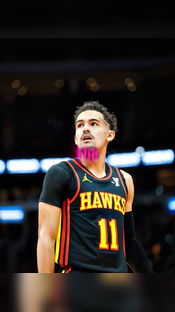
Trae Young traded to the Wizards 😳🔥 | NBA Shockwave
BallSoHard
884

Drafting Trae Young wasn’t the problem. Making him the franchise centerpiece too soon was.
BallSoHard
825

One of the Most Memorable player Chapters in Hawks History
BallSoHard
967
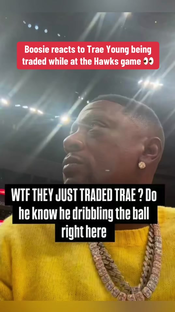
Boosie Reacts to Trae Young Trade: “He’s Down There Dribbling the Basketball!”
BallSoHard
1.1K
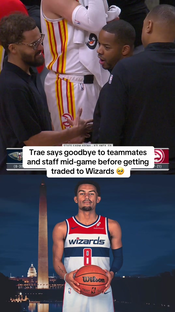
Trae Young Shows Love to Atlanta Before the Trade
BallSoHard
651
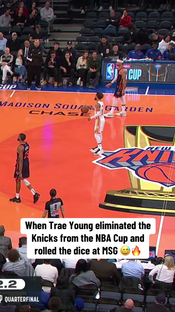
Trae Young’s Run With the Hawks Is Really Over
BallSoHard
1.7K
Videos
See All


Videos
See AllNews
See All
Trae Young to Washington: When the NBA's Biggest Star Chooses the League's Graveyard
The end of an era in Atlanta, a questionable future in DC, and what it means for a 27-year-old who might never make another All-Star team
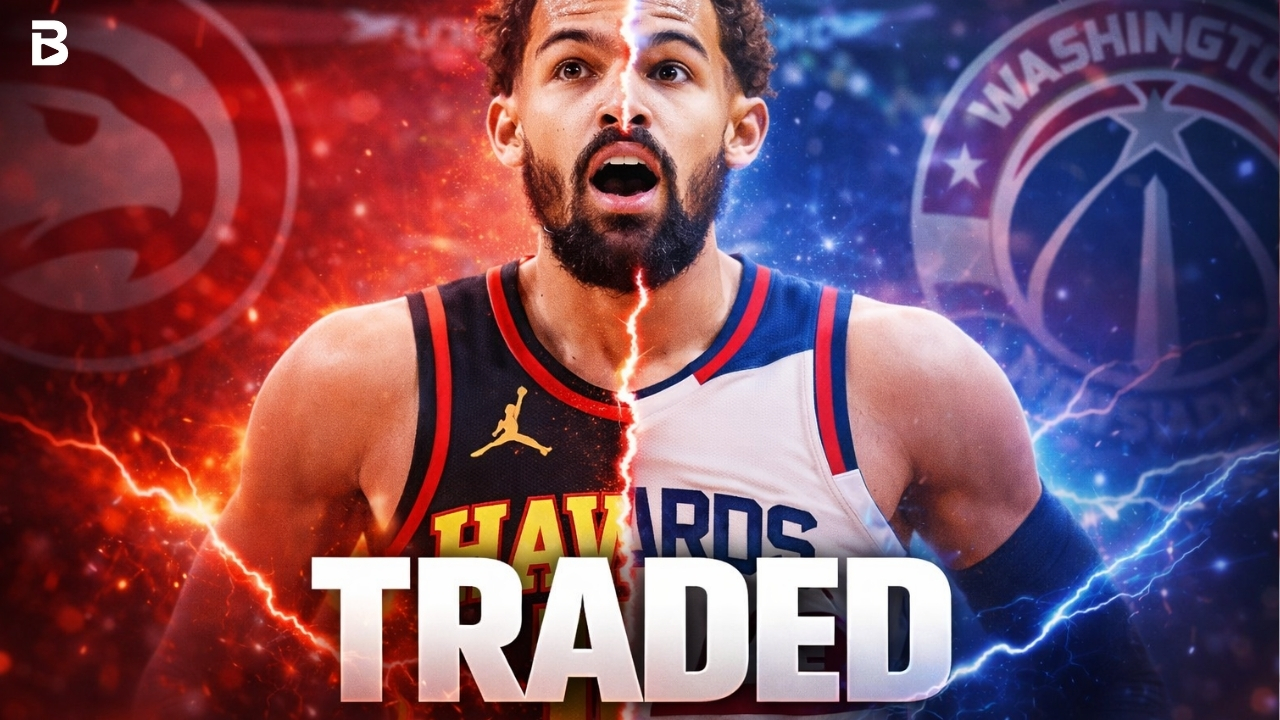
Trae Young is headed to Washington. Let that sink in. Not Miami. Not New York. Not Los Angeles. Washington—a franchise that hasn't won a playoff series in four years, hasn't made the Finals since 1979, and has one championship in nearly 50 years of existence.
The Atlanta Hawks just traded their franchise player, their four-time All-Star, the most consequential player in franchise history since Dominique Wilkins, for CJ McCollum and Corey Kispert. No draft picks. No young prospects. Just two role players to help Atlanta move on from what had clearly become an unsustainable relationship.
And Young? He requested Washington as his preferred destination. He chose the team with the second-worst record in the Eastern Conference. He chose the organization Nick Young just called a "graveyard" on national television.
The question isn't whether this is the end of an era for Atlanta—it obviously is. The question is whether this is also the end of Trae Young's time as an elite NBA player.
It’s official #TRA3 @WashWizards pic.twitter.com/Aikewfkwjc
— Trae Young (@TheTraeYoung) January 9, 2026
The Atlanta Era: From ECF to Exit
In seven-plus seasons, Trae Young averaged 25.2 points and 9.8 assists. Four All-Star teams. Led the NBA in assists. Dragged the Hawks to the 2021 Eastern Conference Finals, silencing Madison Square Garden and outdueling Joel Embiid. He was 22 years old and looked like the foundation of a contender.
That was the peak.
Since then, the Hawks have been mediocre. Young's defensive limitations became more obvious. His shot selection remained questionable. And this season, the numbers told a story Atlanta couldn't ignore: 2-8 with Trae, 15-13 without him.
The emergence of Jalen Johnson, Dyson Daniels, and Zaccharie Risacher showed Atlanta had a functional team when the ball moved. Young's $49 million player option made it impossible to build around him long-term. So Atlanta cut bait and moved on.
Washington: Where Careers Go to Die
Nick Young on Gil's Arena Show: "History shows going to the Wizards messes up people's careers. Jordan Poole, Russell Westbrook—Wizards is like one of them 'graveyard' places."
Jordan Poole won a championship with Golden State, then averaged 17 points on a 15-67 Wizards team. Russell Westbrook averaged a triple-double and left immediately. Even Michael Jordan averaged over 20 points at age 38 and the Wizards went 37-45 both years.
The franchise has made the playoffs once since 2018. One championship in 47 years. Bradley Beal spent 11 years there, made three All-Star teams, never got past the second round. John Wall tore his Achilles. Gilbert Arenas had a weapons charge derail his career.
Washington doesn't build stars—they collect them on their way down.
The $49 Million Question
Young has a $49 million player option next season. The expectation is he'll pick it up and possibly sign an extension with Washington.
If he signs long-term—say, three years, $140 million—he's betting he can turn the Wizards around alongside Alex Sarr, Kyshawn George, and Bilal Coulibaly.
It's a massive gamble. Washington ranks 27th in offensive efficiency. They're deliberately tanking to protect their 2026 first-round pick. Multiple reports suggest they may not even play Young much this season—they're targeting 2026-27 as the actual start.
So he's going to sit, rehab his knee, and wait a full year? At 27? When he's already dealing with questions about defense and shot selection?
This isn't Chris Paul mentoring Oklahoma City. This is a four-time All-Star in his prime choosing a bottom-tier franchise with no timeline for contention.
Will He Ever Make Another All-Star Team?
Young hasn't made an All-Star team since 2022. He's dealing with a knee injury. His shooting has declined—30.5% from three this season. His defensive limitations have become more glaring as one Western Conference executive told ESPN: "Offense is so easy now. It's hard for these small point guards to have real value with how the game is played now."
Washington won't make the playoffs next year. Probably not the year after either. By the time they're potentially competitive, Young will be 29 or 30 with three years of losing basketball and no All-Star selections. At that point, is he even a top-15 point guard?
Compare that to Luka Dončić—four-time All-NBA First Team, led Dallas to the Finals, top-five player in the world. The gap between those two careers didn't need to be this wide.
What Atlanta Lost—and Gained
Atlanta is better today. Jalen Johnson has emerged as a two-way star. Dyson Daniels is elite defensively. Risacher has shown flashes. Adding McCollum gives them a veteran scorer who doesn't dominate possessions. Kispert shoots 40% from three.
The Hawks also get massive financial flexibility. McCollum's contract expires this summer, giving them nearly $40 million in cap space.
But they lost star power. Trae Young put Atlanta on the national map. He sold tickets, created highlights, gave the franchise an identity. Now they're a well-coached, defensively sound team with no true centerpiece.
Atlanta chose sustainability over stardom. It's smart. It's also boring.
The Lesson for Young Players
If you're a high school or AAU player watching this unfold, here's what you need to understand:
1. Team success matters more than individual stats. Trae Young averaged 25 and 10 for seven years. He's a salary dump. Jrue Holiday averaged 15 and 6 and won two championships. He's irreplaceable. The NBA values winning over volume.
2. Defense is non-negotiable at the highest level. You can be an offensive genius, but if teams hunt you defensively in the playoffs, you're a liability. Young has never been able to shake that label, and it's cost him.
3. Fit matters. Young could have been more selective about where he wanted to go. He could have demanded a trade to Miami, where they play defense and have championship culture. He chose Washington because they offered him the keys to the franchise. Sometimes having complete control isn't better than being part of something functional.
4. Reputation is everything. Young's reputation as ball-dominant, defense-optional, and difficult to build around tanked his trade value. Whether that's fair or not doesn't matter—perception became reality, and now he's starting over at 27 in one of the NBA's least respected franchises.
The Uncomfortable Truth
Trae Young might never be an elite NBA player again.
He might rehab his knee, come back next season, put up 22 and 9, and lead Washington to 30 wins. He might sign a three-year extension, mentor some young guys, and become a solid veteran contributor who makes one or two more All-Star teams if the fans really push for it.
Or he might fade into irrelevance. He might become the cautionary tale about undersized guards who can't defend. He might become the player GMs point to when explaining why they won't build around offensive-only point guards anymore.
The scary part? Both futures are equally plausible.
Washington has a history of breaking players. Young is betting he's the exception. Based on everything we know about the Wizards, about his limitations, and about the way the NBA is trending, that's not a bet many people would take.
The End of an Era
Trae Young's time in Atlanta is over. He brought excitement, controversy, playoff runs, and ultimately disappointment. He'll be remembered as the player who almost was—almost good enough to lead a team to the Finals, almost transcendent enough to overcome his limitations, almost capable of being the franchise cornerstone the Hawks desperately needed.
Almost. But not quite.
Now he's in Washington, where almost is all anyone ever gets.
The question isn't whether this is the end of an era for Atlanta. It's whether this is the beginning of the end for Trae Young.
625
Latest Video
All Videos
There is no data in this list.
All news
Trae Young to Washington: When the NBA's Biggest Star Chooses the League's Graveyard
The end of an era in Atlanta, a questionable future in DC, and what it means for a 27-year-old who might never make another All-Star team
Trae Young is headed to Washington. Let that sink in. Not Miami. Not New York. Not Los Angeles. Washington—a franchise that hasn't won a playoff series in four years, hasn't made the Finals since 1979, and has one championship in nearly 50 years of existence.
The Atlanta Hawks just traded their franchise player, their four-time All-Star, the most consequential player in franchise history since Dominique Wilkins, for CJ McCollum and Corey Kispert. No draft picks. No young prospects. Just two role players to help Atlanta move on from what had clearly become an unsustainable relationship.
And Young? He requested Washington as his preferred destination. He chose the team with the second-worst record in the Eastern Conference. He chose the organization Nick Young just called a "graveyard" on national television.
The question isn't whether this is the end of an era for Atlanta—it obviously is. The question is whether this is also the end of Trae Young's time as an elite NBA player.
It’s official #TRA3 @WashWizards pic.twitter.com/Aikewfkwjc
— Trae Young (@TheTraeYoung) January 9, 2026
The Atlanta Era: From ECF to Exit
In seven-plus seasons, Trae Young averaged 25.2 points and 9.8 assists. Four All-Star teams. Led the NBA in assists. Dragged the Hawks to the 2021 Eastern Conference Finals, silencing Madison Square Garden and outdueling Joel Embiid. He was 22 years old and looked like the foundation of a contender.
That was the peak.
Since then, the Hawks have been mediocre. Young's defensive limitations became more obvious. His shot selection remained questionable. And this season, the numbers told a story Atlanta couldn't ignore: 2-8 with Trae, 15-13 without him.
The emergence of Jalen Johnson, Dyson Daniels, and Zaccharie Risacher showed Atlanta had a functional team when the ball moved. Young's $49 million player option made it impossible to build around him long-term. So Atlanta cut bait and moved on.
Washington: Where Careers Go to Die
Nick Young on Gil's Arena Show: "History shows going to the Wizards messes up people's careers. Jordan Poole, Russell Westbrook—Wizards is like one of them 'graveyard' places."
Jordan Poole won a championship with Golden State, then averaged 17 points on a 15-67 Wizards team. Russell Westbrook averaged a triple-double and left immediately. Even Michael Jordan averaged over 20 points at age 38 and the Wizards went 37-45 both years.
The franchise has made the playoffs once since 2018. One championship in 47 years. Bradley Beal spent 11 years there, made three All-Star teams, never got past the second round. John Wall tore his Achilles. Gilbert Arenas had a weapons charge derail his career.
Washington doesn't build stars—they collect them on their way down.
The $49 Million Question
Young has a $49 million player option next season. The expectation is he'll pick it up and possibly sign an extension with Washington.
If he signs long-term—say, three years, $140 million—he's betting he can turn the Wizards around alongside Alex Sarr, Kyshawn George, and Bilal Coulibaly.
It's a massive gamble. Washington ranks 27th in offensive efficiency. They're deliberately tanking to protect their 2026 first-round pick. Multiple reports suggest they may not even play Young much this season—they're targeting 2026-27 as the actual start.
So he's going to sit, rehab his knee, and wait a full year? At 27? When he's already dealing with questions about defense and shot selection?
This isn't Chris Paul mentoring Oklahoma City. This is a four-time All-Star in his prime choosing a bottom-tier franchise with no timeline for contention.
Will He Ever Make Another All-Star Team?
Young hasn't made an All-Star team since 2022. He's dealing with a knee injury. His shooting has declined—30.5% from three this season. His defensive limitations have become more glaring as one Western Conference executive told ESPN: "Offense is so easy now. It's hard for these small point guards to have real value with how the game is played now."
Washington won't make the playoffs next year. Probably not the year after either. By the time they're potentially competitive, Young will be 29 or 30 with three years of losing basketball and no All-Star selections. At that point, is he even a top-15 point guard?
Compare that to Luka Dončić—four-time All-NBA First Team, led Dallas to the Finals, top-five player in the world. The gap between those two careers didn't need to be this wide.
What Atlanta Lost—and Gained
Atlanta is better today. Jalen Johnson has emerged as a two-way star. Dyson Daniels is elite defensively. Risacher has shown flashes. Adding McCollum gives them a veteran scorer who doesn't dominate possessions. Kispert shoots 40% from three.
The Hawks also get massive financial flexibility. McCollum's contract expires this summer, giving them nearly $40 million in cap space.
But they lost star power. Trae Young put Atlanta on the national map. He sold tickets, created highlights, gave the franchise an identity. Now they're a well-coached, defensively sound team with no true centerpiece.
Atlanta chose sustainability over stardom. It's smart. It's also boring.
The Lesson for Young Players
If you're a high school or AAU player watching this unfold, here's what you need to understand:
1. Team success matters more than individual stats. Trae Young averaged 25 and 10 for seven years. He's a salary dump. Jrue Holiday averaged 15 and 6 and won two championships. He's irreplaceable. The NBA values winning over volume.
2. Defense is non-negotiable at the highest level. You can be an offensive genius, but if teams hunt you defensively in the playoffs, you're a liability. Young has never been able to shake that label, and it's cost him.
3. Fit matters. Young could have been more selective about where he wanted to go. He could have demanded a trade to Miami, where they play defense and have championship culture. He chose Washington because they offered him the keys to the franchise. Sometimes having complete control isn't better than being part of something functional.
4. Reputation is everything. Young's reputation as ball-dominant, defense-optional, and difficult to build around tanked his trade value. Whether that's fair or not doesn't matter—perception became reality, and now he's starting over at 27 in one of the NBA's least respected franchises.
The Uncomfortable Truth
Trae Young might never be an elite NBA player again.
He might rehab his knee, come back next season, put up 22 and 9, and lead Washington to 30 wins. He might sign a three-year extension, mentor some young guys, and become a solid veteran contributor who makes one or two more All-Star teams if the fans really push for it.
Or he might fade into irrelevance. He might become the cautionary tale about undersized guards who can't defend. He might become the player GMs point to when explaining why they won't build around offensive-only point guards anymore.
The scary part? Both futures are equally plausible.
Washington has a history of breaking players. Young is betting he's the exception. Based on everything we know about the Wizards, about his limitations, and about the way the NBA is trending, that's not a bet many people would take.
The End of an Era
Trae Young's time in Atlanta is over. He brought excitement, controversy, playoff runs, and ultimately disappointment. He'll be remembered as the player who almost was—almost good enough to lead a team to the Finals, almost transcendent enough to overcome his limitations, almost capable of being the franchise cornerstone the Hawks desperately needed.
Almost. But not quite.
Now he's in Washington, where almost is all anyone ever gets.
The question isn't whether this is the end of an era for Atlanta. It's whether this is the beginning of the end for Trae Young.
625
Live now
Ended lives 2108
All Albums
Trae Young traded to the Wizards 😳🔥 | NBA Shockwave
BallSoHard
884
Drafting Trae Young wasn’t the problem. Making him the franchise centerpiece too soon was.
BallSoHard
825
One of the Most Memorable player Chapters in Hawks History
BallSoHard
967
Boosie Reacts to Trae Young Trade: “He’s Down There Dribbling the Basketball!”
BallSoHard
1.1K
Trae Young Shows Love to Atlanta Before the Trade
BallSoHard
651
Trae Young’s Run With the Hawks Is Really Over
BallSoHard
1.7K
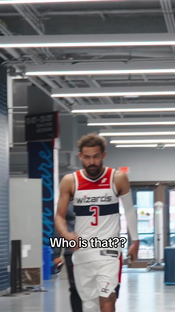
OMG That’s REALLY Trae Young in a Washington Wizards Uniform
BallSoHard
696
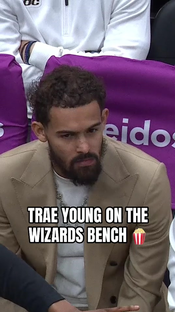
Trae Young Already Supporting His New Team
BallSoHard
711
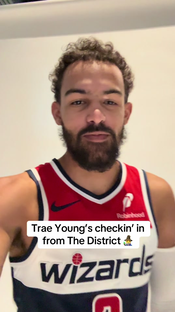
Trae Young Shouts Out D.C. Fans
BallSoHard
878
There is no data in this list.