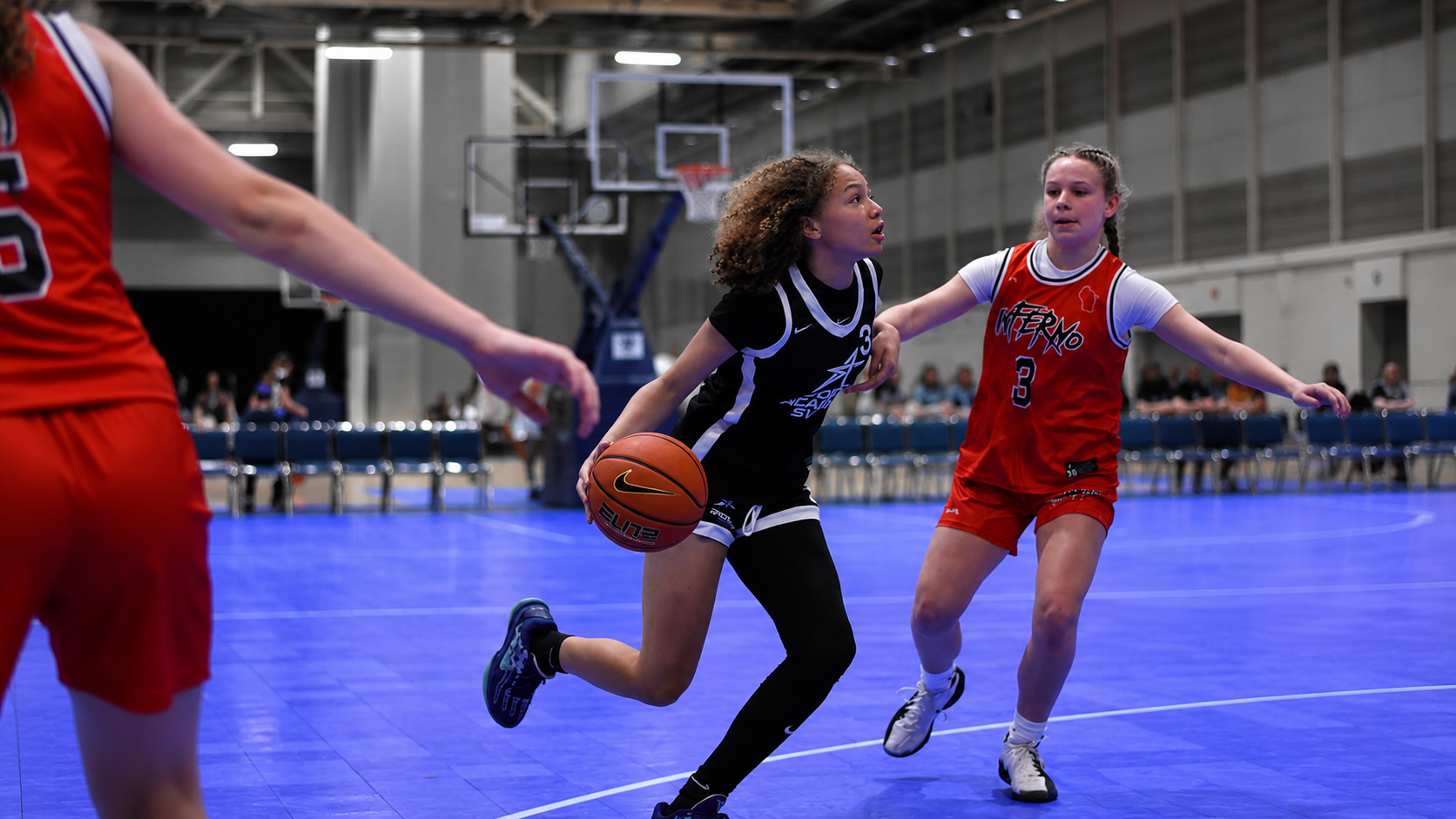
Youth basketball continues to produce talented athletes across the country, and every season introduces players determined to improve their skills while chasing big dreams. Among those young competitors is Aneesa Doxie, a Class of 2030 guard from Arizona whose social media profile reflects a strong commitment to basketball, personal growth, and faith. Through tournament appearances, consistent training, and memorable moments on the court, she is steadily creating a path that could lead to exciting opportunities in the years ahead.
Every athlete begins somewhere. Success is rarely an overnight achievement. It comes from hours of practice, learning from mistakes, competing against talented opponents, and staying motivated when progress feels slow. Aneesa’s basketball journey appears to embrace that mindset. Her profile highlights not only games and tournaments but also the importance of continuous improvement.
Developing Skills Through Consistent Training
Basketball rewards players who dedicate themselves to mastering the fundamentals. Shooting, passing, ball handling, footwork, defense, and decision-making all require repetition. Young athletes who consistently practice these skills often see noticeable improvements over time.
Training with experienced coaches provides valuable instruction while helping players identify areas for growth. Individual workouts allow athletes to sharpen weaknesses, while team practices develop communication and chemistry with teammates. The combination creates a well-rounded player capable of adapting during competitive games.
For guards especially, ball control and court awareness are essential. They often serve as playmakers, reading defenses, creating opportunities for teammates, and making quick decisions under pressure. These responsibilities demand confidence built through countless hours in the gym.
Tournament Basketball Creates Valuable Experience
Competitive tournaments expose players to a wide range of playing styles and opponents. Instead of facing familiar competition, athletes compete against teams from different regions, forcing them to adapt quickly.
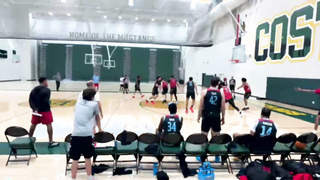
The images shared across Aneesa’s profile suggest participation in several major basketball events. These tournaments provide opportunities to:
- Compete against elite talent.
- Learn from challenging matchups.
- Build confidence.
- Improve basketball IQ.
- Experience high-pressure situations.
- Showcase individual growth.
Every tournament becomes another chapter in an athlete’s development. Wins build confidence, while losses often become the greatest learning experiences.
Learning From Every Competition
No player performs perfectly every game. Basketball teaches resilience because every missed shot, turnover, or defensive mistake becomes an opportunity to improve.
Young athletes who embrace constructive feedback tend to develop faster. Coaches review film, discuss decision-making, and encourage players to refine their techniques. Rather than becoming discouraged, successful athletes use these lessons to fuel future improvement.
Growth is measured over months and years rather than individual games.
The Importance of Teamwork
Basketball remains one of the ultimate team sports. Even the most talented individual depends on teammates for success.
Communication, trust, and unselfish play separate good teams from great ones. Guards play a particularly important role because they often organize offensive possessions while helping teammates stay involved.
Learning to celebrate teammates’ success, encourage one another, and work toward shared goals creates lasting chemistry that extends beyond basketball.
Balancing Athletics and Academics
Student-athletes face unique responsibilities. Along with practices, games, and travel, they must also complete schoolwork and maintain strong academic performance.
Time management becomes an essential life skill. Completing assignments before tournaments, studying during travel, and maintaining classroom focus prepare athletes for future opportunities beyond sports.
Strong academic habits also demonstrate responsibility and maturity.
https://www.ballertube.com/news/581/the-players-have-had-enough-inside-the-mlbpa-s-push-to-eliminate-prop-bets-and-the-billion-dollar-problem-standing-in-their-way/?tag_ids=5120,2391
Faith as Daily Motivation
One noticeable feature of Aneesa’s profile is the reference to Joshua 1:9, a verse encouraging courage and strength.
Many athletes find motivation through their faith. During difficult games or challenging seasons, spiritual beliefs often provide confidence and perspective.
Whether celebrating victories or overcoming setbacks, maintaining humility and gratitude helps athletes remain grounded throughout their journey.
Faith can encourage perseverance during moments when improvement requires patience.
Family Support Makes a Difference
Behind nearly every successful young athlete is a supportive family.
Parents often spend countless hours driving to practices, attending tournaments, arranging travel, and providing encouragement after games.
Family members become the first coaches, biggest fans, and strongest supporters throughout an athlete’s development.
Their investment extends far beyond financial support—it includes emotional encouragement during both victories and disappointments.
Social Media as a Basketball Portfolio
Today’s athletes use social media differently than previous generations.
Rather than simply sharing personal updates, many young players create profiles that document their basketball journey.
Highlight videos, tournament schedules, training sessions, and milestone achievements allow friends, coaches, and basketball communities to follow their development.
Maintaining a positive online presence reflects professionalism and maturity while celebrating personal progress.
The Value of Strong Coaching
Great coaches teach much more than basketball.
They emphasize accountability, discipline, leadership, communication, and perseverance.
Young athletes benefit from coaches who challenge them while encouraging continued growth. Every practice presents opportunities to improve not only technical skills but also confidence and decision-making.
Positive coaching relationships often influence athletes long after their playing careers conclude.
Setting Long-Term Goals
Ambitious athletes usually establish both short-term and long-term goals.
Examples include:
- Improving shooting percentage.
- Becoming a stronger defender.
- Increasing basketball IQ.
- Earning more playing time.
- Competing in elite tournaments.
- Making all-tournament teams.
- Continuing skill development each season.
Achieving one goal naturally leads to setting another, creating continuous motivation.
Building Confidence
Confidence develops through preparation rather than luck.
Athletes who consistently train enter games believing in their abilities because they understand the work they’ve invested.
Even after difficult performances, preparation provides reassurance that improvement is always possible.
Confidence also allows players to remain aggressive without fearing mistakes.
https://www.cbssports.com/womens-college-basketball/news/2026-secacc-womens-challenge-ranking-the-top-5-games/
Leadership on and off the Court
Leadership is not determined solely by age.
Young athletes demonstrate leadership by encouraging teammates, maintaining positive attitudes, practicing hard, and setting strong examples.
Guards often become vocal leaders because they communicate throughout games and help organize offensive possessions.
Developing leadership skills now benefits athletes throughout life.
Handling Challenges
Every basketball journey includes obstacles.
Injuries, tough losses, shooting slumps, and difficult opponents test an athlete’s resilience.
The strongest competitors learn how to respond rather than react. They continue practicing, trust the process, and remember that setbacks are temporary.
Learning resilience at a young age builds character that extends far beyond sports.
Representing Arizona Basketball
Arizona continues producing talented basketball players who compete nationally.
Participating in regional and national tournaments allows athletes to represent their communities while gaining valuable exposure against strong competition.
Every event becomes another opportunity to learn, improve, and compete.
The Importance of Defense
While scoring often earns the most attention, defense is equally important for any successful basketball player. Great defenders understand positioning, communicate with teammates, and work relentlessly on every possession. Learning how to stay in front of an opponent, contest shots without fouling, and anticipate passes can change the momentum of a game.
For guards, defense starts with effort. Quick footwork, active hands, and the ability to read an opponent’s next move can create steals and fast-break opportunities. Coaches value players who are willing to defend the opposing team’s best scorer because it shows commitment to the team’s success. As young athletes continue to develop, becoming a dependable defender often leads to more playing time and greater responsibility on the court.
Basketball IQ and Decision-Making
Physical talent is only one part of becoming a complete basketball player. Basketball IQ—the ability to understand the game, recognize situations, and make smart decisions—is just as valuable. Players with a high basketball IQ know when to push the pace, when to slow the game down, and how to create opportunities for teammates.
Watching game film, studying experienced players, and listening carefully to coaches all help improve basketball intelligence. Learning how to recognize defensive schemes, anticipate rotations, and make the right pass can separate good players from exceptional ones.
Every game presents unique challenges. Some opponents apply full-court pressure, while others focus on slowing the pace. Adapting to different situations requires patience, confidence, and the willingness to learn from previous experiences.
Preparing During the Offseason
Many people only see athletes during games, but much of their improvement happens when there are no spectators in the gym. The offseason is often the most important period for development because players can focus on strengthening weaknesses without the pressure of competition.
Individual workouts may include shooting drills, ball-handling exercises, footwork training, conditioning, and strength development. Even small improvements made during the offseason can have a significant impact once the season begins.
Conditioning also plays a major role. Basketball requires speed, endurance, agility, and balance. Staying in excellent physical condition allows players to perform at a high level throughout an entire game, especially during close contests where every possession matters.
Learning From Role Models
Young athletes often look up to accomplished basketball players for inspiration. Watching skilled guards compete at the highest levels helps them understand the importance of work ethic, preparation, and professionalism.
However, the best role models are not always the highest scorers. Many successful players earn respect because of their leadership, defensive effort, teamwork, and positive attitudes. These qualities demonstrate that success is about much more than individual accomplishments.
By observing experienced athletes and applying those lessons to their own development, young players can continue building habits that contribute to long-term success.
Growing Beyond Basketball
Although basketball may be a major part of life, the lessons learned through sports extend far beyond the court. Discipline developed through regular practice often carries into school, future careers, and personal relationships. Learning to work with teammates, accept constructive criticism, overcome setbacks, and stay committed to long-term goals prepares young athletes for many aspects of life.
Every practice, tournament, and season contributes to personal growth. Wins bring excitement, while challenges teach resilience and determination. Those experiences shape character just as much as athletic ability.
As Aneesa Doxie continues her basketball journey, each opportunity to compete, learn, and improve becomes another building block for the future. With dedication, consistent effort, family support, strong coaching, and a commitment to personal growth, she has the opportunity to continue developing both as a player and as a person. Regardless of where basketball ultimately leads, the habits, friendships, and life lessons gained along the way will remain valuable for years to come.
Looking Toward the Future
As a member of the Class of 2030, Aneesa still has many years of development ahead. Each season presents new challenges, stronger competition, and additional opportunities to grow as both a player and a student.
Continued commitment to training, teamwork, academics, and personal character can help lay the foundation for future success. Whether competing in local leagues, travel tournaments, or larger showcase events, every experience contributes to long-term development.
Basketball is about much more than statistics or final scores. It teaches discipline, resilience, leadership, and the value of working toward meaningful goals. Those lessons often stay with athletes long after the final buzzer.
For young players like Aneesa Doxie, the journey is still unfolding. With dedication, consistent effort, supportive coaches and family, and a willingness to keep learning, each practice and every game becomes another step forward. While no one can predict exactly where the road will lead, the habits being built today can create opportunities both on and off the court. Her story serves as a reminder that success is earned through daily commitment, and that every season offers another chance to improve, compete, and enjoy the game.