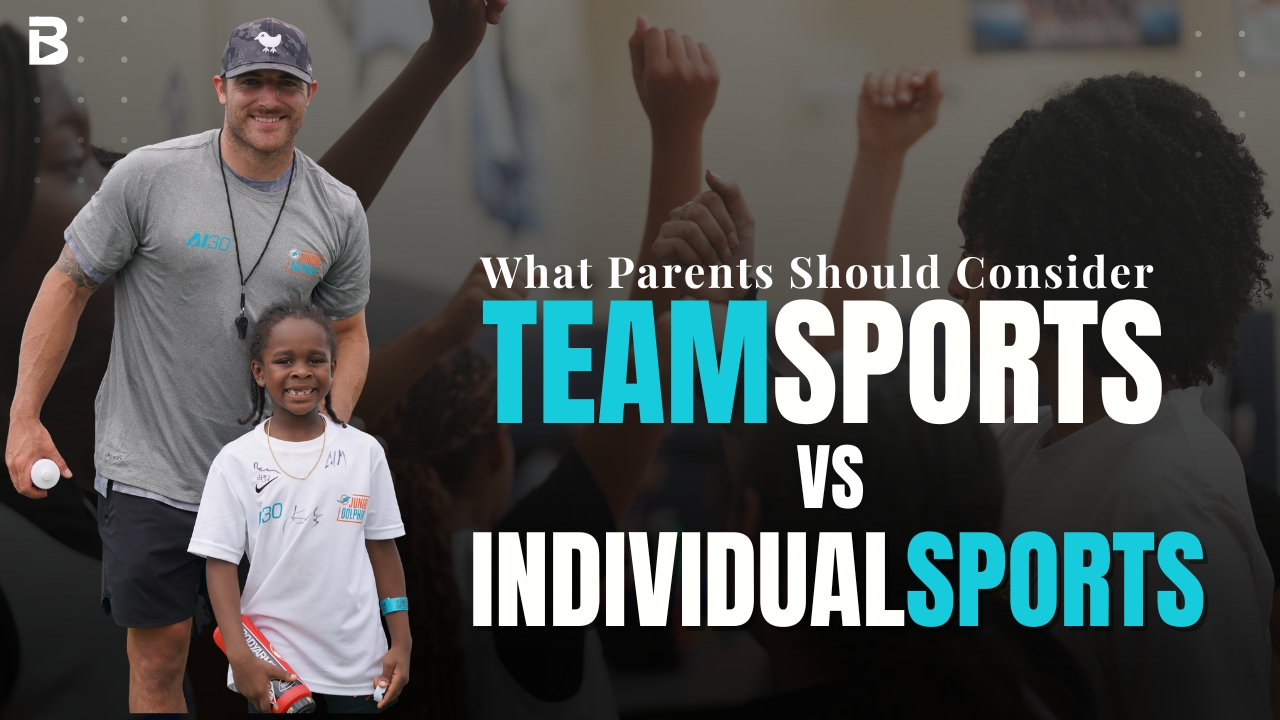
Team Sports vs. Individual Sports: What Parents Should Consider First for Their Child’s Development
When parents are choosing which sport to introduce their child to, the decision is often driven by convenience, schedule, or family tradition. But the deeper impact of that choice goes far beyond wins and losses. Team sports and individual sports shape children differently, not just as athletes, but as people. Understanding how each environment influences identity, confidence, and problem-solving can help parents make a smarter, more thoughtful choice for their child’s long-term development.There is no universal “better” option between team and individual sports. Both offer valuable lessons and challenges. What matters most is how each environment affects a child’s personality, growth, and emotional development, and whether parents understand what their child truly needs at each stage.
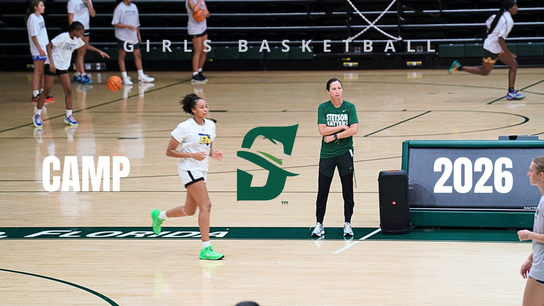
Team sports teach children how to exist inside a system. From an early age, athletes learn that their role matters, but it is not the whole machine. They learn the importance of cooperation, communication, and accountability. A missed assignment does not just affect the individual, it impacts the entire group. This environment naturally teaches responsibility and social awareness. Children who grow up in team sports often develop a strong sense of loyalty and empathy because they see success as something that is earned together.
Team settings also help children learn how to navigate authority and different personalities. In a locker room, there are natural leaders and quieter contributors, outspoken personalities and reserved ones. Learning how to work with teammates who are different is a skill that carries directly into adulthood. Jobs, relationships, and leadership situations mirror this same dynamic. When coached well, team sports become a safe environment to practice real-world communication long before real-world consequences exist.
Team sports build connection.
— BallerPost (@BallerPost) December 10, 2025
Individual sports build independence.
Both shape your child in very different ways.
Parents should understand which one their athlete actually needs.https://t.co/sYh8AadeGT pic.twitter.com/usbArvnglf
However, team sports can sometimes dilute personal accountability. If a child has a bad game, the loss is shared. If they have a great one, the credit is split. Some children thrive in this environment and feel protected by it. Others struggle to fully develop their sense of personal agency. For certain personalities, teamwork can unintentionally become a place to hide rather than grow.
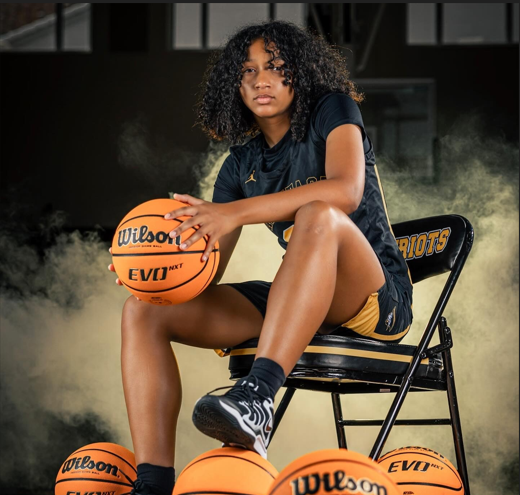
Individual sports, by contrast, place the responsibility squarely on the athlete. When a child wins, they know exactly why. When they lose, they must confront it directly. This environment builds mental toughness fast. There is no one else to blame and no one else to carry the result. Over time, this can develop an athlete who is deeply self-aware, disciplined, and resilient.
Individual sports also foster personal identity earlier. Athletes learn who they are when the pressure is on and nobody is coming to save them. This builds internal confidence instead of borrowed confidence. Instead of being defined by a jersey or team name, the child becomes defined by effort, preparation, and mindset. That sense of self can be powerful and long-lasting.
<iframe width="852" height="480" src="https://www.ballertube.com/video-embed/6536" frameborder="0" allowfullscreen></iframe>
At the same time, individual sports can be emotionally taxing for young children who are not mentally prepared for that load. When everything is on one person, failure can feel heavier and success can feel lonely. Without the right support system, children in individual sports may internalize defeat or place too much pressure on themselves. This is where parents play a critical role. An athlete in an individual sport must be coached emotionally just as much as physically.
When it comes to problem-solving, both paths teach different types of intelligence. Team sports train situational thinking, pattern recognition, communication, and adaptability inside moving systems. Individual sports train self-analysis, emotional regulation, tactical planning, and recovery from mistakes. One is external problem-solving. The other is internal.
For parents, the most important consideration is not which environment feels more impressive. It’s which environment fits the child. Some children need structure and social reinforcement to thrive. Others need freedom and responsibility to grow. Personality matters far more than prestige.
It’s also worth understanding that development does not need to be one-dimensional. Many athletes benefit from engaging in both team and individual sports at different stages. A child may build confidence and social skills in team sports early, then develop discipline and self-belief in individual sports later. The combination can be powerful.
Parents should avoid projecting their own unfinished dreams onto their children. The purpose of youth sports is not producing scholarship athletes. It is producing capable adults. Identity, confidence, and problem-solving skills will matter far longer than trophies on a shelf.
The best developmental path is the one that leaves a child stronger when the sport eventually ends.
Because every sports career ends.
The lessons are what remain.