The vote that could change everything: Why WNBA players are standing firm on fair compensation and what it means for young athletes dreaming of going pro
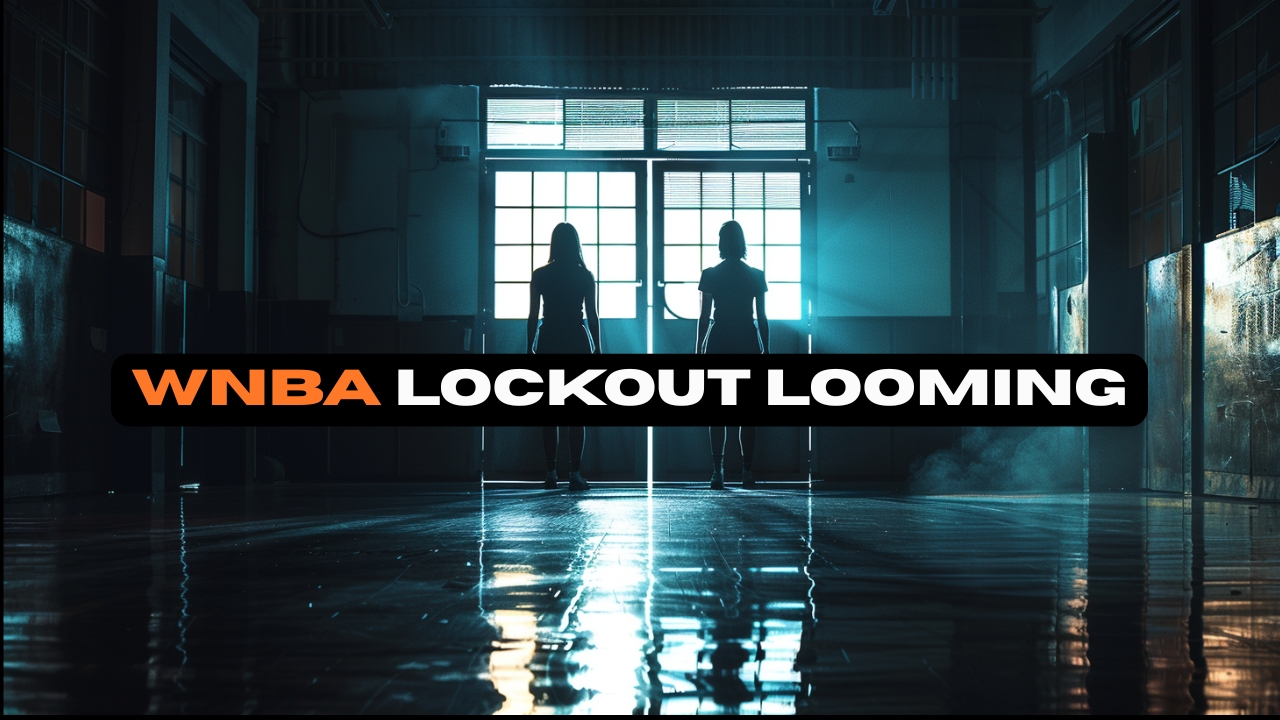
In a powerful display of unity that sent shockwaves through professional sports, WNBA players have authorized their union's leadership to call a strike if negotiations on a new collective bargaining agreement break down. The numbers tell the story of unprecedented solidarity: with 93% of players participating in the vote, an overwhelming 98% voted yes to grant their executive council strike authorization.
This isn't just another labor dispute. It's a defining moment for women's professional basketball—one that will shape the opportunities available to today's young athletes as they pursue their dreams of playing at the highest level.
What's Actually Happening Right Now
The current collective bargaining agreement between the WNBA and its players was set to expire on October 31, 2025, but has been extended twice as negotiations continue. The latest deadline is January 9, 2026, with both sides having the option to terminate the extension with just 48 hours' notice.
The players' authorization vote doesn't mean a strike is imminent or even likely. What it does mean is that players have given their negotiating team the leverage to call for a work stoppage if talks reach an impasse. As the union stated, the vote represents "an emphatic affirmation of the players' confidence in their leadership."
But make no mistake—tensions are running high. Minnesota Lynx forward Napheesa Collier, one of the league's brightest stars and co-founder of the competing Unrivaled league, didn't mince words when she called the WNBA "the worst leadership in the world" in September. That comment forced what had been behind-closed-doors negotiations fully into public view.
WNBA Statement On WNBPA’s Strike Authorization Vote pic.twitter.com/YC24wljdo1
— WNBA Communications (@WNBAComms) December 18, 2025
The Money Gap That Started It All
Understanding this labor dispute requires looking at the numbers, and they tell a stark story. In the 2025 season, WNBA players earned between a minimum of $66,079 and a maximum of $249,244. Meanwhile, the league signed a new media rights deal that represented a sixfold increase in revenue—$2.2 billion over 11 years.
The WNBA's latest proposal would dramatically increase these figures. The league has offered maximum base salaries of $1 million (with revenue sharing potentially pushing total compensation above $1.2 million), minimum salaries exceeding $225,000, and average salaries over $500,000. The salary cap would more than triple from $1.5 million to $5 million per team.
These are substantial increases by any measure. So why aren't players satisfied?
The Real Fight: Revenue Sharing Models
The core issue isn't just about bigger numbers—it's about the fundamental structure of how players share in the league's success. Under the current agreement, WNBA players receive only 9.3% of total league revenue. Compare that to the NBA, where players get approximately 50% of basketball-related income.
Players are pushing for a revenue-sharing model similar to the NBA's, where the salary cap grows automatically as league revenue increases. The current system ties raises to a fixed rate—just 3% annually—with a separate revenue-sharing provision that has never been triggered since the 2020 agreement was signed.
"If we stay in the current agreement, we fall behind," said WNBPA president Nneka Ogwumike when players opted out of the current CBA last year. "Opting out isn't just about bigger paychecks—it's about claiming our rightful share of the business we've built."
The league's position is more complicated. Commissioner Cathy Engelbert has emphasized the need to balance significant salary increases with ensuring teams have "a path to profitability" and can continue investing in facilities and player experience. With expansion teams in Portland and Toronto set to begin play in 2026, league officials are concerned about maintaining an attractive investment environment for potential new owners.
The league should support this strike. If they do strike, it will be the first time since its inception that the WNBA will not lose millions of dollars. 😄 https://t.co/h72F7VJyBg
— Rooster Cogburn (@Jeff_Miller_CO) December 19, 2025
A History of Labor Struggles
This isn't the first time WNBA players have fought for better compensation, though it may be the most dramatic. The league's labor history reveals a pattern of incremental gains achieved through persistent negotiation:
1999 - The First CBA: The inaugural agreement established basic salary structures and introduced team-provided housing, a benefit that remains contentious today. Players earned between approximately $15,000 and $50,000.
2003 - The Threat: Then-NBA Commissioner David Stern issued an ultimatum—reach a deal by April 18 or the season would be cancelled. The sides met the deadline, but the draft and preseason games were delayed. This CBA introduced free agency and guaranteed a 17% salary increase over four years.
2008 - Roster Cuts: Economic pressures led to roster sizes decreasing from 13 to 11 players—a change that still draws criticism from players and fans who believe teams need deeper benches.
2020 - Major Progress: The most recent agreement, ratified in January 2020, increased maximum salaries from $117,500 to $215,000 and boosted the salary cap by over 30%. It also codified improvements to maternity benefits, provided premium economy air travel at minimum, and guaranteed players their own hotel rooms.
Now, five years later, with the league's popularity and revenue soaring to unprecedented heights, players are demanding another transformational leap forward.
The Ghost of the ABL
Any discussion of WNBA labor issues must acknowledge the American Basketball League, the competing women's professional league that launched in 1996—months before the WNBA—and folded in December 1998.
The ABL offered higher salaries than the early WNBA (averaging $80,000 versus $30,000-$35,000), better benefits including medical insurance, and gave players 10% ownership in the league through a stock option plan. The league played during the traditional basketball season and featured many stars from the 1996 gold medal-winning Olympic team.
Despite higher quality play and better player treatment, the ABL couldn't overcome the WNBA's advantages: backing from the NBA's marketing machine, deeper financial resources, and strategic summer scheduling that avoided competing directly with the NBA for viewers. When the ABL declared bankruptcy, many of its stars moved to the WNBA, improving that league's talent level overnight.
The ABL's failure taught a harsh lesson: good intentions and player-friendly policies don't guarantee survival without adequate financial backing and marketing power. But it also established principles—fair compensation, player equity, respect for athletes—that continue to resonate nearly three decades later.
Enter Unrivaled: Competition Returns
History may not repeat, but it certainly rhymes. In January 2025, a new competitor emerged: Unrivaled, a 3-on-3 women's basketball league co-founded by WNBA stars Napheesa Collier and Breanna Stewart.
Unlike the ABL, Unrivaled isn't trying to replace the WNBA—it's offering an alternative during the WNBA's offseason. The league pays players six-figure salaries (averaging over $100,000), offers equity stakes, and provides state-of-the-art facilities including maternity care, housing, and training resources. Games air on TNT and stream on Max, giving the league significant media exposure.
The timing isn't coincidental. For years, top WNBA players have supplemented their income by playing overseas during the winter months, a grueling schedule that leaves them playing year-round with no breaks. Unrivaled provides a domestic alternative with competitive pay and far less travel.
But Unrivaled's existence also changes the power dynamics in WNBA negotiations. Players now have proof that investors will pay six figures for their talents. They have leverage they've never had before. And perhaps most importantly, they have high-profile player-leaders like Collier and Stewart who understand business, command respect, and aren't afraid to speak publicly about valuation.
What Could Happen Next
Several scenarios could unfold as the January 9 deadline approaches:
A Deal Gets Done: This remains the most likely outcome. Both sides have strong incentives to avoid a work stoppage—the league wants to capitalize on historic momentum, and players want to maintain their sport's growing cultural relevance. Previous negotiations have extended past deadlines before reaching agreement.
Another Extension: The sides could agree to push the deadline back again while continuing to negotiate. This would delay the expansion draft for Portland and Toronto and create uncertainty during what should be a celebratory offseason.
Status Quo Period: Even if the deadline passes without agreement, negotiations could continue under the terms of the expired CBA—unless one side decides to trigger a work stoppage.
A Strike: If players feel negotiations have truly stalled, they could walk out. Unlike a lockout (which owners initiate), a strike is player-driven. The WNBA has never lost games to a work stoppage, but that doesn't mean it can't happen.
The nuclear option would devastate the league's momentum. Coming off a season with record viewership, attendance, and merchandise sales—driven in large part by rookie sensation Caitlin Clark and the continued excellence of established stars—missing games in 2026 would be catastrophic for everyone involved.
Why This Matters for Young Athletes
If you're a parent watching your daughter develop her basketball skills, dreaming of college scholarships and maybe professional opportunities, these negotiations directly affect her future prospects.
A stronger WNBA with better pay means:
More sustainable careers: When salaries reach livable (and eventually comfortable) levels, players don't need to risk injury playing overseas year-round or leave the sport prematurely due to financial pressures.
Greater investment in development: Well-compensated professional leagues typically invest more in youth programs, camps, and grassroots initiatives that create pathways for young talent.
Improved role models: Young athletes benefit when professional players can focus entirely on their craft rather than worrying about making ends meet or managing exhausting travel schedules.
Cultural validation: Fair compensation signals to society that women's basketball matters, encouraging more investment at every level from youth leagues through college programs.
The current negotiations aren't just about today's stars getting paid—they're about building infrastructure that will support generations of women's basketball players.
This is a really bad take. He should be ashamed of this headassery. WNBA players have been at the forefront of labor negotiations and protesting for equal rights, social justice and many other issues. https://t.co/vSB41GRBuG
— Detroit BUFFed up (@webackDetroit) April 2, 2021
The Bigger Picture
What's happening in the WNBA reflects broader conversations about pay equity in women's sports and the entertainment industry. As women's sports have grown in popularity and profitability, athletes are increasingly refusing to accept the argument that lower revenue justifies dramatically lower compensation.
The WNBA players' near-unanimous strike authorization demonstrates unprecedented solidarity. These athletes understand they're negotiating not just for themselves but for everyone who'll follow in their footsteps. They're drawing a line: the league's sixfold revenue increase must translate into meaningful, structural improvements in player compensation.
"The players' decision is an unavoidable response to the state of negotiations with the WNBA and its teams," the union stated. "Time and again, the players' thoughtful and reasonable approach has been met by the WNBA and its teams with a resistance to change."
Moving Forward
As the January 9 deadline approaches, basketball fans, young athletes, and their families wait to see whether the WNBA and its players can bridge their differences. The stakes couldn't be higher—both for the immediate future of the league and for the long-term development of women's professional basketball.
The good news is that both sides want largely the same things: higher player compensation, a thriving league, and continued growth. The challenge is agreeing on how to structure these improvements in ways that work for everyone.
For young athletes watching this unfold, the lesson is clear: standing up for fair compensation isn't just acceptable—it's necessary. The WNBA players voting to authorize a strike aren't being greedy or unreasonable. They're being businesswomen who understand their value and refuse to settle for less than they've earned.
Whatever happens next, this moment will be remembered as pivotal in women's basketball history. The players have spoken with one voice, and the world is listening.
Want to help your young athlete get noticed by college coaches? BallerTube provides the tools to create professional highlight videos and recruiting profiles that get results. Start building your athlete's future today at BallerTube.com.