Navigating your child's journey through sports can be both exciting and overwhelming. The path to athletic success is rarely straightforward, and as a parent, your role is pivotal in shaping how your child experiences sports from a young age. This article offers guidance on how to approach your child's sports career, beginning from early childhood, with insights on the best ages to start and how to foster a healthy, supportive environment.
1. Starting Young: The Foundation of Fun
The journey begins with play. In the early years, typically from ages 3 to 6, the focus should be on unstructured play rather than formal sports. At this stage, it’s crucial to introduce your child to a variety of physical activities that emphasize fun and creativity. This helps develop their motor skills, coordination, and a love for movement. Avoid pushing your child into a single sport too early. Instead, allow them to explore different activities, whether it’s swimming, running, or playing catch. The goal at this stage is not to build a future athlete, but to foster a positive relationship with physical activity.
2. Elementary Years: Introducing Structure
Around ages 7 to 10, you can begin to introduce more structured sports programs. At this age, children have developed the basic motor skills necessary to participate in organized sports, and they are beginning to understand rules and teamwork. This is a critical time for parents to focus on developing a well-rounded athlete. Encourage participation in multiple sports to prevent burnout and overuse injuries. Sports like soccer, basketball, and gymnastics are great for overall physical development and help children learn the value of teamwork, discipline, and resilience.
3. Middle School Years: Specialization with Caution
As your child enters the middle school years, typically ages 11 to 14, they may begin to show a preference for certain sports. While it’s natural for children to gravitate towards what they enjoy or excel in, it’s important to approach specialization with caution. Early specialization can lead to burnout and a higher risk of injury. Research suggests that athletes who delay specialization until later in their teenage years often experience longer and more successful careers. Encourage your child to continue participating in multiple sports or engage in different physical activities during the off-season to keep them well-rounded and mentally fresh.
4. High School Years: Supporting Aspirations
By the time your child reaches high school, they may have a clearer idea of their athletic aspirations. Whether they aim to play at a collegiate level or simply enjoy the sport, your role as a parent shifts to one of support and guidance. Encourage your child to set realistic goals and work towards them with dedication. It’s also important to maintain a balance between sports, academics, and social life. The high school years are a time when the pressure to succeed in sports can be intense, so be mindful of their mental and emotional well-being. Ensure that they are playing for the right reasons and not just to meet external expectations.
5. Beyond High School: Navigating the Next Steps
As your child approaches the end of high school, the decisions around their sports career become more significant. Whether they pursue sports at a collegiate level or transition out of competitive athletics, your support remains crucial. If your child is aiming for college sports, help them navigate the recruitment process, including understanding the role of academics, scholarships, and NIL (Name, Image, Likeness) opportunities. For those moving away from competitive sports, encourage them to stay active through recreational leagues or other physical activities. Remember, the skills and values learned through sports—discipline, teamwork, perseverance—are assets that will benefit them throughout their lives, regardless of whether they continue to compete.
As a parent, your approach to your child’s sports career can significantly influence their experience and long-term relationship with athletics. By focusing on fun, fostering a well-rounded athletic foundation, and supporting their aspirations with care, you help create a positive and enriching sports journey for your child.
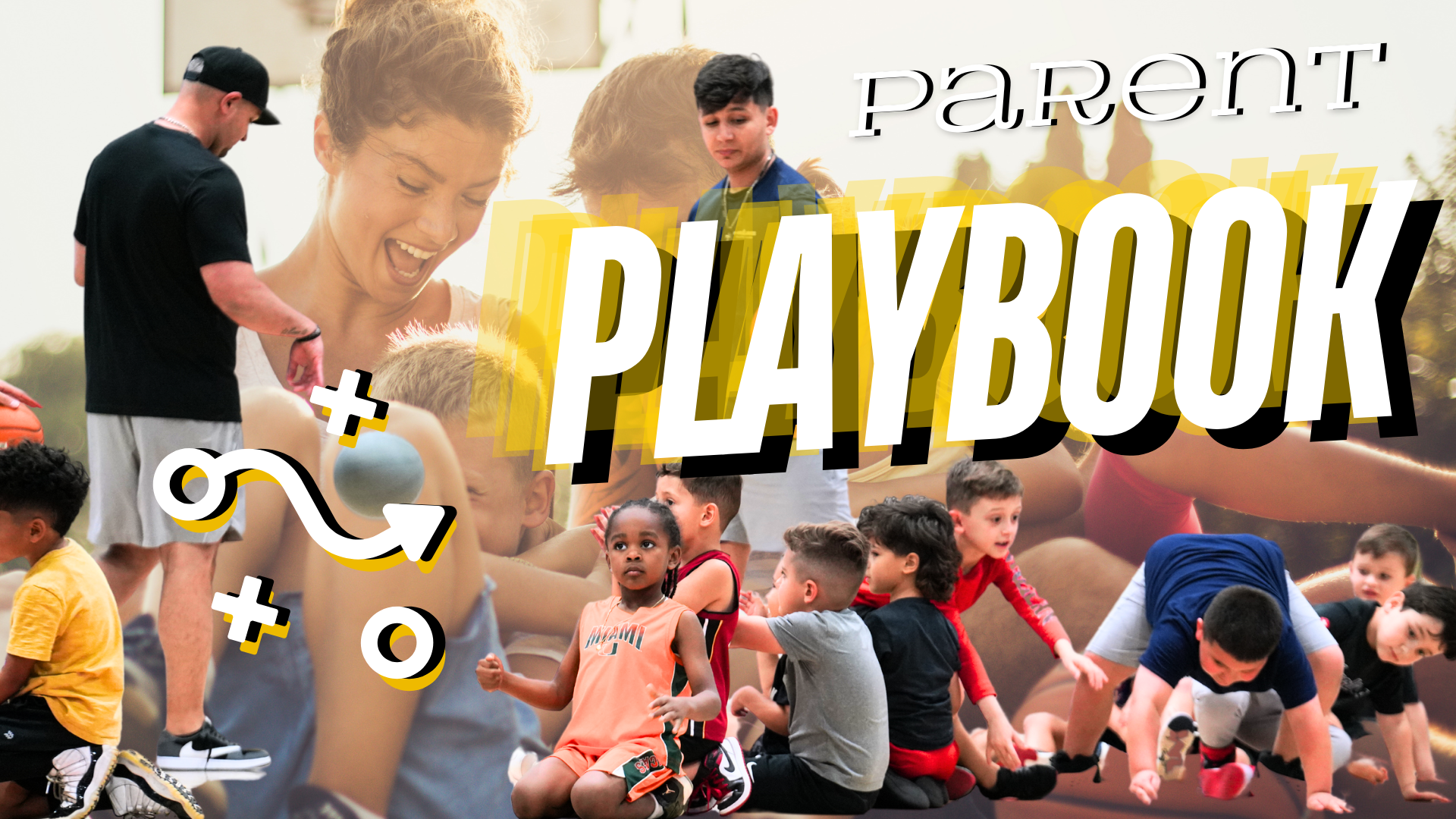
This article is the first in a series from Parent Playbook, designed to empower parents with the knowledge and tools to support their children in sports. Stay tuned for more insights and practical advice!