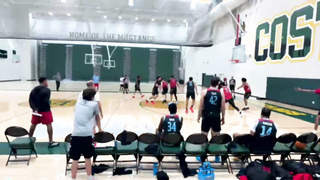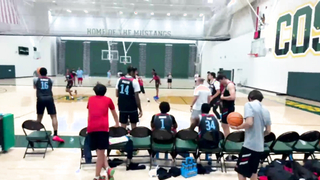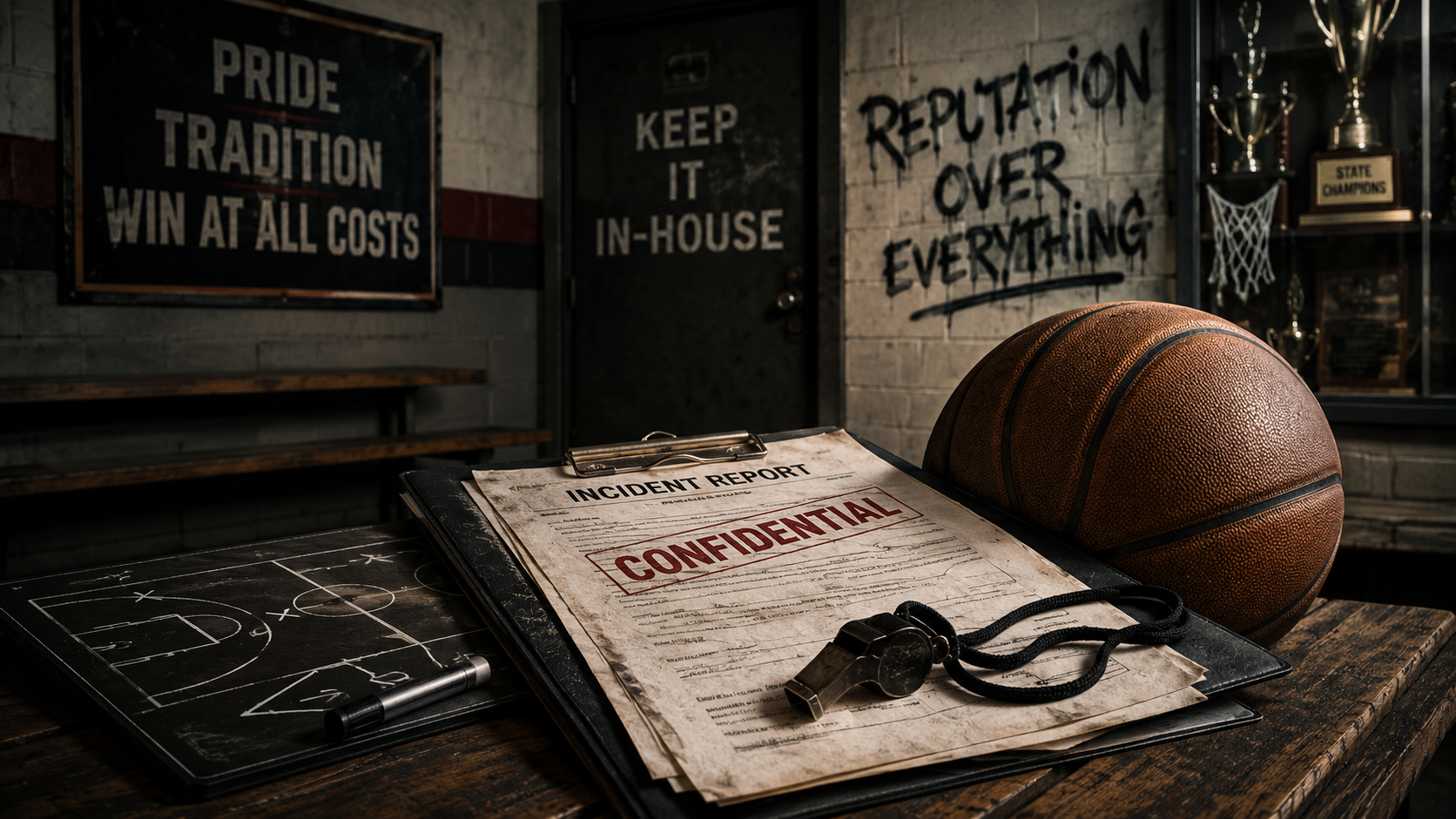
Arizona high school basketball has become one of the most respected and competitive sports environments in the Southwest. Packed gyms, national tournaments, recruiting attention, and social media exposure have pushed the game to another level. But behind the highlights, rankings, scholarships, and championship banners, many people inside the basketball community believe something much uglier is taking place behind closed doors.
They believe there is a cover-up culture growing throughout Arizona basketball.
Parents whisper about it in the stands. Players talk privately in locker rooms and group chats. Assistant coaches discuss it quietly away from school campuses. Even some administrators admit the problem exists, but very few people are willing to publicly confront it.
The concern is no longer just about tough coaching or emotional parents upset over playing time. The deeper issue is the growing belief that certain coaches, programs, and athletic directors are protected no matter what happens behind the scenes.
As long as teams keep winning games, bringing attention to schools, and building strong public reputations, many people feel serious concerns are ignored, minimized, or buried completely.
The image matters more than the truth.
Winning Has Become a Shield
In many Arizona basketball programs, winning creates power.
Once a coach reaches state tournaments consistently, develops high-level athletes, or builds a nationally recognized program, accountability often changes. Administrators become more protective. Communities become more defensive. Supporters become more aggressive toward criticism.
That is where the cover-up culture begins.
Complaints from players suddenly become “misunderstandings.”
Parents expressing concern are labeled as emotional or bitter.
Assistant coaches who disagree with leadership quietly disappear from staffs.
Athletes who leave programs are painted as selfish, disloyal, or difficult rather than asking why they wanted to leave in the first place.
Instead of investigating concerns honestly, some schools appear more focused on protecting reputations and avoiding embarrassment.
The goal becomes controlling the narrative rather than finding the truth.
That is why many people inside Arizona basketball believe there are two completely different realities happening at the same time. The public sees packed gyms, winning streaks, social media posts, and trophies. Meanwhile, behind closed doors, some athletes and families experience toxic situations that rarely become public knowledge.
Silence Has Become Part of the System
One of the biggest reasons the cover-up culture continues is fear.
Many athletes stay silent because they understand how much power coaches and administrators hold over their futures. High school players know speaking publicly can affect playing time, leadership opportunities, recommendations, and recruiting exposure.
Teenagers quickly learn that questioning authority can come with consequences.
Some athletes fear being labeled as “problem players.” Others worry teammates will turn against them if they speak honestly about toxic treatment, favoritism, emotional manipulation, or bullying within programs.
Parents feel trapped too.
Many families avoid filing formal complaints because they believe schools will protect successful coaches before protecting athletes. Some parents say complaints disappear quietly without clear action. Others believe investigations are delayed intentionally until the situation fades away.
Assistant coaches often face the same pressure.
Some assistants privately admit they have witnessed unhealthy behavior inside programs but stay quiet because they fear losing jobs, damaging relationships, or being blacklisted from future coaching opportunities.
The silence protects the system.
And the longer the silence continues, the more normalized the behavior becomes across Arizona basketball.
Athletic Directors Are Facing Growing Criticism
Athletic directors are supposed to create accountability, professionalism, and structure within school sports. But across Arizona, there are growing accusations that some athletic directors care more about protecting successful programs than addressing concerns honestly.
This is one of the most uncomfortable conversations happening in high school basketball today.
Many parents and community members believe complaints are often handled internally in ways designed to protect schools from controversy instead of uncovering the full truth.
Some families claim meetings happen behind closed doors with little transparency. Others believe investigations are intentionally vague, incomplete, or one-sided. In certain situations, parents say they never receive direct answers after reporting serious concerns involving programs.
The problem becomes even more complicated when athletic directors develop close personal relationships with coaches.
Friendships, community influence, financial pressure, and winning records can create conflicts of interest. Instead of remaining neutral, some administrators appear more focused on protecting school brands and avoiding public criticism.
That perception destroys trust throughout communities.
Even when schools conduct investigations, many people believe the outcomes are already decided before conversations even begin.
The message many families feel they receive is simple: if a program wins enough games, accountability changes.
https://www.ballertube.com/news/260/two-broward-basketball-coaches-arrested-in-illicit-gym-rental-scheme-how-thousands-were-made-off-the-books/
Transfers Often Reveal Hidden Problems
One of the clearest signs of deeper issues inside programs is the growing number of athlete transfers throughout Arizona basketball.
Publicly, transfers are usually explained as family decisions, basketball opportunities, or recruiting moves. But many people inside the basketball community believe transfers often happen because athletes are trying to escape unhealthy environments.
Players rarely speak openly about those experiences because they want fresh starts and do not want drama attached to their names.
But behind the scenes, stories circulate constantly.
Athletes feeling emotionally broken down.
Players isolated after questioning coaches.
Favoritism creating divided locker rooms.
Parents being shut out from communication completely.
Some athletes losing confidence and passion for the game.
Others leaving schools quietly after feeling unsupported or targeted.
Yet many of these situations never become public because schools and programs move quickly to protect reputations.
Once a player transfers, the attention immediately shifts toward the athlete’s future instead of asking what pushed them away from the previous program.
That silence allows problems to continue repeating themselves year after year.
Social Media Helps Hide Reality
Social media has completely changed high school basketball culture.
Programs now operate like brands.
Schools post motivational videos, scholarship offers, locker room speeches, team photos, and championship graphics daily. Coaches carefully build public images centered around discipline, family culture, and player development.
But critics argue social media often hides the reality happening internally.
A program can look united online while athletes privately struggle emotionally.
Parents can feel ignored while schools continue posting culture slogans and motivational quotes.
Players dealing with anxiety, pressure, or unfair treatment often stay silent because they fear backlash from fans, teammates, and recruiting circles.
The public image becomes more important than honesty.
Some people inside Arizona basketball believe schools now spend more energy protecting perception than addressing deeper cultural problems behind the scenes.
That creates frustration because the reality athletes experience and the image programs present publicly can feel completely different.
Coaches Quietly Admit the Problem Exists
The cover-up culture is not discussed only by parents and players. Many coaches privately acknowledge it as well.
Some coaches believe certain programs receive special treatment because of status, influence, or community power. Others feel political relationships between schools, club organizations, and influential basketball figures create unfair advantages.
But very few people speak publicly.
Why?
Because Arizona basketball is a small world.
Coaches understand that publicly criticizing powerful programs or administrators can damage careers, relationships, and future opportunities. Many choose silence instead of risking conflict.
Some fear losing future jobs.
Others fear being labeled difficult within the basketball community.
That creates an environment where people privately admit problems exist but publicly pretend everything is fine.
This disconnect continues feeding frustration throughout Arizona basketball.
The Emotional Damage on Athletes Is Real
The saddest part of the entire situation is that student-athletes pay the biggest price.
Teenagers enter high school sports hoping to compete, improve, create memories, and build relationships. Instead, some walk into environments filled with politics, manipulation, favoritism, emotional pressure, and adult power struggles.
When adults become obsessed with protecting reputations and controlling narratives, players become secondary.
Some athletes stop trusting coaches entirely.
Others become emotionally exhausted trying to survive toxic environments.
Certain players begin believing their voices do not matter at all.
And because many situations remain hidden, the cycle continues repeating itself every season.
The damage goes far beyond basketball.
Confidence drops.
Mental health suffers.
Friendships become strained.
Passion for the game disappears.
Some athletes leave basketball completely after negative high school experiences.
That is the real cost of the cover-up culture.
Good Coaches and Leaders Still Exist
Not every Arizona basketball program operates this way.
There are many outstanding coaches, athletic directors, and schools genuinely committed to athlete development, accountability, communication, and integrity. Some programs prioritize education, character, discipline, and long-term growth over social media attention and short-term success.
Those leaders deserve recognition because they are protecting the true purpose of high school sports.
Good coaches build trust instead of fear.
They communicate honestly with players and parents.
They hold star athletes accountable.
They care about teenagers as people first and basketball players second.
The problem is that healthy programs often get overshadowed by louder programs built on hype, politics, and reputation management.
Still, athletes remember authenticity.
Players know which adults genuinely care about them beyond wins and losses.
And in the long run, those programs usually create stronger cultures and healthier experiences.
Accountability Cannot Exist Without Transparency
The biggest danger of cover-up culture is that it destroys trust completely.
People lose faith in systems when they believe truth depends on who has power.
Parents lose confidence when complaints disappear quietly.
Players lose confidence when favoritism goes unchecked.
Assistant coaches lose confidence when honesty threatens their careers.
Communities lose confidence when schools appear more focused on protecting reputations than protecting athletes.
Transparency is the only way trust can return.
Schools must be willing to investigate concerns honestly, even when successful programs are involved. Athletic directors must prioritize student-athletes over public image. Coaches must understand that winning games does not excuse toxic behavior.
Most importantly, the basketball community must stop treating silence as loyalty.
Real leadership means protecting athletes, not protecting brands.
https://www.cbssports.com/nba/news/2026-nba-mock-draft-post-combine/
Arizona Basketball Is Reaching a Breaking Point
Arizona basketball still has enormous talent, passionate communities, and incredible opportunities for young athletes. The state continues producing high-level players and nationally respected programs.
But many people believe the culture behind the scenes is becoming increasingly unhealthy.
The frustration is no longer isolated.
More parents are speaking privately about politics.
More athletes are transferring schools.
More assistant coaches are leaving programs quietly.
More community members are beginning to question whether accountability truly exists equally across Arizona basketball.
The concern is no longer just about individual programs.
People are beginning to question the system itself.
If the culture continues prioritizing power, reputation, and protection over honesty and athlete well-being, the damage will continue spreading.
Because eventually, every hidden problem becomes impossible to hide forever.
And when student-athletes continue paying the emotional price for adult politics, the entire purpose of high school sports begins disappearing.
Basketball should be about development, opportunity, teamwork, and life lessons.
Not silence.
Not manipulation.
Not protecting powerful people at all costs.
The athletes deserve better than a culture built on fear, politics, and cover-ups.
And deep down, many people inside Arizona basketball already know.