Winning a championship is difficult. Building a program that competes every season is even harder.
Across Arizona, several girls basketball programs are doing exactly that. Instead of relying on one talented graduating class, these schools have created systems that continue producing competitive teams year after year. They develop young athletes, teach fundamentals, establish strong cultures, and prepare players to compete beyond high school.
The best programs don’t simply chase trophies. They build habits.
Whether the school is located in Phoenix, Tucson, Mesa, Chandler, Gilbert, Flagstaff, or smaller communities throughout the state, the blueprint for success often looks remarkably similar. Coaches emphasize discipline, accountability, player development, and selfless basketball. Parents buy into the vision. Players understand that success isn’t earned during the season alone—it begins months before opening night.
As Arizona girls basketball continues to gain national attention, more athletes are earning college opportunities than ever before. That growth isn’t happening by accident.
It’s happening because successful programs have learned how to develop complete basketball players.
Success Starts With Stability
One common trait among Arizona’s strongest girls basketball programs is coaching stability.
Programs with consistent leadership establish clear expectations. Players entering as freshmen already know what varsity basketball will require because they’ve watched older teammates live those standards for years.
Instead of changing systems every season, successful coaches refine what already works. Offensive concepts become second nature. Defensive principles remain consistent from year to year. Younger players spend time learning rather than constantly adjusting.
Stability also creates trust.
Parents know what kind of environment their daughters are entering. Players understand that effort will be rewarded. Assistant coaches become extensions of the head coach rather than trying to implement different philosophies.
The result is consistency.
Winning programs don’t reinvent themselves every November. They simply reload.
Coaching Is About More Than Basketball
The best Arizona coaches understand that basketball is only part of their job.
Of course, they teach shooting mechanics, defensive positioning, rebounding technique, and offensive execution. But they also develop confidence, leadership, communication, and resilience.
Many coaches spend just as much time teaching players how to respond after mistakes as they do teaching plays.
Miss a layup?
Sprint back on defense.
Turn the ball over?
Respond with better effort.
Lose a tough game?
Learn from it and prepare for the next one.
These lessons help athletes long after their basketball careers end.
Great coaches also understand that every player develops differently.
Some freshmen contribute immediately.
Others need two or three years before finding their role.
Successful programs remain patient while continuing to develop every athlete.
Offseason Work Creates Championship Teams
Everyone sees Friday night games.
Few people see the hundreds of hours that happen during the offseason.
The most successful girls basketball programs in Arizona treat the offseason as the most important part of the year.
Strength training improves athleticism.
Individual skill sessions sharpen fundamentals.
Summer leagues allow players to compete against different styles.
Open gyms create chemistry.
Film study increases basketball IQ.
Players who commit to year-round improvement almost always show noticeable growth by winter.
The offseason also helps coaches evaluate younger players who may eventually earn varsity minutes.
Instead of simply choosing the tallest or fastest athletes, coaches identify players willing to work consistently over several months.
Effort often predicts future success better than natural talent.
Skill Development Never Stops
The modern game demands versatility.
Gone are the days when players only focused on one specific role.
Post players now handle the basketball.
Guards are expected to rebound.
Everyone must defend multiple positions.
Strong Arizona programs understand these changes.
Practices emphasize complete player development instead of position-specific limitations.
Players work on shooting, passing, footwork, finishing through contact, decision-making, and defensive movement regardless of their height.
The result is more adaptable athletes who can adjust to different opponents.
College coaches appreciate players capable of contributing in multiple ways.
Versatility often separates scholarship-level athletes from everyone else.
https://www.cbssports.com/womens-college-basketball/news/2026-secacc-womens-challenge-ranking-the-top-5-games/
Team Culture Wins Close Games
Talent may win games.
Culture wins seasons.
Every successful Arizona girls basketball program has its own identity.
Some pride themselves on relentless defense.
Others emphasize unselfish offense.
Some focus on physical toughness.
Others thrive because of outstanding communication.
Whatever the identity, everyone within the program understands it.
Culture develops through daily habits.
Players encourage teammates instead of criticizing mistakes.
Upperclassmen mentor freshmen.
Practices remain competitive while respectful.
Everyone understands their role.
When adversity arrives—and it always does—strong cultures prevent teams from falling apart.
Instead of blaming one another after losses, successful teams look inward and improve together.
That mindset becomes a competitive advantage.
Leadership Begins Before Senior Year
Strong programs don’t wait until players become seniors to develop leaders.
Leadership starts much earlier.
Sophomores learn how to communicate.
Juniors begin mentoring younger teammates.
By senior year, leadership feels natural rather than forced.
Great leaders don’t always score the most points.
Sometimes they’re the first players diving for loose balls.
Sometimes they’re encouraging teammates after difficult possessions.
Sometimes they’re holding everyone accountable during practice.
The strongest programs understand leadership is demonstrated through actions.
Those examples influence younger players who eventually become the next generation of leaders.
Defense Remains the Foundation
Offense attracts attention.
Defense wins championships.
Many of Arizona’s most successful girls basketball teams build their identities around defensive effort.
Great defense requires communication.
It requires conditioning.
It requires trust.
Players rotate to help teammates.
They close out under control.
They box out consistently.
They understand scouting reports.
Most importantly, they compete on every possession.
Defensive intensity doesn’t require great shooting nights.
Even when shots aren’t falling, teams committed to defense give themselves opportunities to win.
That consistency separates good programs from great ones.
Building College-Level Talent
Arizona has become an increasingly respected recruiting state.
College coaches regularly evaluate players throughout the state because they know quality talent exists across multiple classifications.
The strongest high school programs help prepare athletes for that next level.
Preparation extends beyond statistics.
Players learn defensive rotations.
They improve conditioning.
They develop strength.
They understand time management.
They learn how to accept coaching.
They become accountable teammates.
These qualities matter just as much as points per game.
College coaches consistently value athletes who compete hard, communicate well, and demonstrate maturity.
Winning programs understand that preparing players for college means preparing the complete person.
Parents Play an Important Role
Successful basketball programs also benefit from supportive families.
Parents who trust coaches create healthier environments.
They encourage effort instead of criticizing playing time.
They celebrate teammates instead of focusing only on individual accomplishments.
Healthy parent support strengthens the entire program.
Players experience less outside pressure.
Coaches communicate more effectively.
Team chemistry improves.
Everyone works toward the same goal.
The most successful programs often describe themselves as families.
That culture includes coaches, players, parents, administrators, and the surrounding community.
Youth Programs Feed Future Success
Many rising Arizona programs invest heavily in younger players.
Youth camps introduce basketball fundamentals.
Middle school clinics teach offensive and defensive concepts.
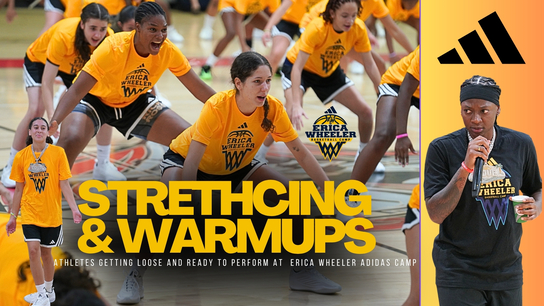
Summer events allow younger athletes to learn directly from varsity players.
These experiences create excitement long before athletes reach high school.
Incoming freshmen already understand expectations.
They know terminology.
They recognize the culture.
Transitioning becomes easier because development began years earlier.
Strong youth development creates long-term sustainability.
Competing Against Better Competition
Successful teams aren’t afraid of difficult schedules.
Many intentionally schedule nationally ranked opponents, holiday tournaments, and elite summer competition.
Winning isn’t always the primary objective.
Growth is.
Playing stronger opponents exposes weaknesses.
It forces players to improve decision-making.
It challenges conditioning.
It increases confidence.
By the time postseason basketball arrives, these teams have already experienced playoff-like intensity throughout the season.
That experience often proves invaluable.
Accountability Drives Improvement
Accountability is another defining characteristic of elite programs.
Players are expected to arrive on time.
Complete assignments.
Support teammates.
Maintain academic standards.
Compete with maximum effort.
When expectations remain consistent, players understand exactly what success requires.
Accountability isn’t about punishment.
It’s about creating dependable habits.
Those habits become part of the team’s identity.
Eventually, players begin holding each other accountable without coaches needing constant reminders.
That’s when culture truly takes ownership.
https://www.ballertube.com/news/322/high-school-girls-basketball-national-scoring-leaders-kentucky-commit-maddyn-greenway-and-kaleena-smith-among-elite-scorers/
The Future of Arizona Girls Basketball
Arizona girls basketball continues to grow because more programs are investing in long-term development instead of short-term success.
Players have access to better training opportunities.
Coaches continue learning new strategies.
Communities increasingly support girls athletics.
College recruiting has expanded throughout the Southwest.
As a result, Arizona athletes are becoming more visible on the national stage.
The next generation of players is already watching today’s successful programs.
They’re attending camps.
Studying varsity games.
Dreaming about wearing those same uniforms one day.
That cycle keeps strong programs moving forward.
Community Support Makes a Difference
One factor that often goes unnoticed is the impact a community has on a basketball program. Successful girls basketball teams rarely operate in isolation. They benefit from administrators who support athletics, teachers who encourage student-athletes in the classroom, parents who volunteer their time, and fans who consistently show up on game nights.
Playing in front of energetic crowds gives athletes confidence and creates an atmosphere that players remember long after graduation. Younger girls sitting in the stands begin imagining themselves wearing the varsity uniform one day. That connection between today’s players and tomorrow’s athletes helps sustain a program’s success.
Communities also provide opportunities for fundraising, youth camps, and offseason events that strengthen relationships between players and supporters. When a school takes pride in its girls basketball program, the athletes often respond by representing their community with even greater commitment and responsibility.
Adapting to the Modern Game
Basketball continues to evolve, and Arizona’s top girls programs are evolving with it. Coaches study trends at the college and professional levels while still emphasizing the fundamentals that never change. Players are encouraged to improve their basketball IQ by understanding spacing, ball movement, transition offense, and defensive versatility.
Today’s game also places a premium on decision-making. Rather than simply memorizing plays, athletes are taught how to read defenses and react to changing situations. That approach helps players become more confident and creative on the court while preparing them for higher levels of competition.
Technology has become another valuable tool. Film sessions allow players to evaluate both individual performances and team execution. Instead of focusing only on mistakes, coaches use video to highlight positive habits and identify areas where players can continue to improve. Learning to analyze the game develops smarter athletes who understand the “why” behind every drill and strategy.
Defining Success Beyond the Scoreboard
While wins and championships are important goals, many of Arizona’s strongest girls basketball programs define success much more broadly. Coaches celebrate academic achievement, community service, leadership, and personal growth just as much as postseason victories.
Players are encouraged to become positive role models within their schools. Many volunteer at youth camps, mentor younger athletes, and participate in community events that allow them to give back. Those experiences teach responsibility and reinforce the idea that wearing a school uniform carries expectations beyond the basketball court.
Former players often return to support the programs that helped shape them. Some become youth coaches, while others assist during summer camps or simply attend games to cheer on the next generation. Their continued involvement demonstrates the lasting impact of a healthy basketball culture.
Ultimately, Arizona’s rising girls basketball programs are creating more than talented athletes. They are developing disciplined students, confident leaders, and resilient young women prepared for whatever challenges come next. As more schools embrace this long-term approach to player development, the future of girls basketball across the state looks brighter than ever. The programs that continue investing in people first and basketball second will likely remain the ones setting the standard for excellence, proving that sustained success is built one practice, one relationship, and one season at a time.
Final Thoughts
Championship banners are the visible reward, but they don’t tell the full story.
Behind every successful Arizona girls basketball program are thousands of unseen hours spent in empty gyms, weight rooms, classrooms, and film sessions. Coaches invest in relationships. Players commit to improvement. Families support the process. Communities celebrate the journey.
The programs rising across Arizona aren’t successful because they found a shortcut. They’re successful because they’ve embraced the fundamentals that never go out of style: disciplined coaching, year-round development, strong leadership, defensive commitment, and a team-first culture.
Those values create more than winning seasons. They create confident young women prepared for college, competition, and life beyond basketball.
As Arizona continues producing talented athletes and competitive teams, one thing is becoming increasingly clear: the state’s strongest girls basketball programs are building something much bigger than victories. They’re building lasting traditions that will influence future generations of players for years to come.