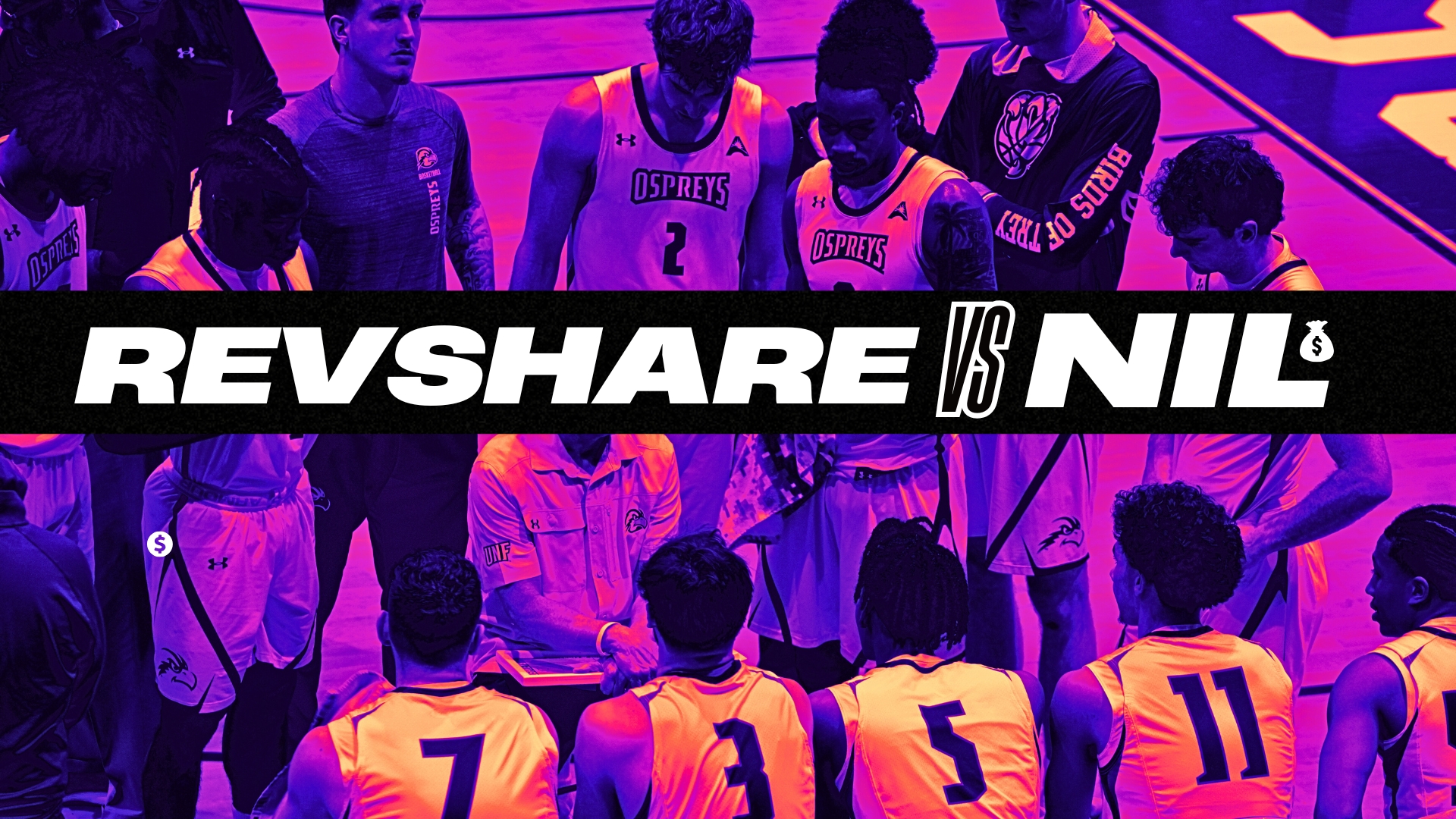

There's a lot of talk about student-athletes making money. But if you're a parent, it can all sound confusing. Between "NIL" and "revenue sharing," how do you know what’s what—and how it helps your child?
This article breaks it down in plain language so you know exactly what to look for, what’s legal, and how your athlete can benefit from both.
What is NIL? (Name, Image, and Likeness) NIL means your child can earn money from their name, image, and likeness. That includes:
-
Brand sponsorships
-
Paid social media posts
-
Selling merchandise
-
Signing autographs
NIL is all about personal brand. Your child can negotiate deals with companies that want to be seen with their name.
What is Revenue Sharing? Revenue sharing is money paid directly from a college or university to the athlete.
This isn’t about social media or outside deals. It’s about schools giving athletes a portion of the money they make from:
-
TV contracts
-
Ticket sales
-
Sponsorship deals
In 2024, a major lawsuit forced the NCAA to agree to share revenue with players. Some schools now pay athletes directly—especially football and basketball players—because those sports bring in the most money.
NIL vs. Rev Share (Simple Chart)
| Thing | NIL | Revenue Sharing |
|---|---|---|
|
Who pays?
|
Outside companies (brands)
|
The school (college or university)
|
|
What it's based on
|
Your child's personal brand
|
Your child's performance & team sport
|
|
Who controls it?
|
The athlete
|
The school or team
|
|
When it started
|
2021
|
2024 (after lawsuit)
|
Why This Matters for Parents You don’t need to understand contracts to support your athlete. But knowing the difference between NIL and revenue sharing can help you:
-
Guide them to the right opportunities
-
Avoid scams or shady deals
-
Keep them eligible for school sports
How to Help Your Athlete Get Ready
-
Secure their name – Use Athlete.Name to lock down a domain like JaydenSmith.com
-
Create a personal website – Use BallerSites.com to build a sports resume online
-
Upload highlights – Post clips to BallerTube.com to showcase their talent
-
Understand your state’s NIL laws – Some high school athletes are now allowed to earn too
What's New in 2025
-
More states now allow high school athletes to earn NIL money
-
Schools are working on revenue share plans to start paying college players by 2025-2026
-
Federal lawmakers are trying to create one national NIL law
The bottom line? NIL and revenue sharing are both ways for your athlete to get paid. NIL is all about who they are. Rev share is about what they do for their team. Parents can help by getting their kids set up online, staying informed, and making sure they don’t miss out.
Start today at BallerTube.com