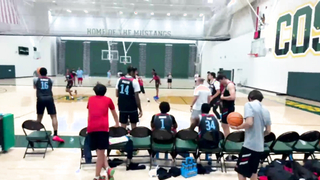
As AAU basketball strengthens in the recruiting world, are AAU coaches shaping or influencing players’ high school decisions?
In today’s basketball landscape, the influence of AAU coaches on a player’s growth and even their high school career can’t be overlooked.
For decades, high school basketball was the main stage for young athletes to prove themselves. But as the AAU circuit blew up in popularity, the lines of authority and guidance began to confuse. Now, it’s common for players to turn first to their AAU coach for advice on workouts, exposure, and even which high school program might give them the best shot at recruiting success.
The Rise of AAU Power
AAU coaches often have direct relationships with college recruiters and can provide opportunities to play in front of decision-makers at elite showcases. This exposure is priceless, but it also means players sometimes prioritize AAU schedules, philosophies, and advice over their high school coach’s plans.
In some cases, AAU impact has led to transfers between high schools, shifts in position roles, and even decisions to skip pieces of the high school season to prepare for club events.
Advantages and Challenges
• Benefits:
• More exposure to scouts and recruiters.
• Access to national competition and elite training.
• Networking opportunities in the basketball community.
• Challenges:
• Conflicting messages between high school and AAU coaches.
• Over-scheduling and athlete burnout.
• The risk of prioritizing short-term exposure over long-term development.
Finding the Balance
The most successful athletes often have straightforward communication between their AAU and high school programs. Parents and players who organize to blend both perspectives generally maximize growth while avoiding politics.
The takeaway? The AAU impact is here to stay but understanding how to balance commitment, development, and exposure is the real game-changer.