Not long ago, an athlete’s reputation was built almost entirely on what happened during games.
If you played well, people noticed.
If college coaches wanted information, they attended games, spoke with coaches, and watched film. Exposure opportunities were limited, and most athletes were known only within their local communities.
Today, the landscape is completely different.
Social media, digital content, recruiting platforms, highlight videos, podcasts, and online media have transformed how athletes are viewed. Student-athletes now have the ability to tell their own stories, showcase their skills, and connect with audiences far beyond their hometowns.
As a result, personal branding has become an important part of modern athletics.
Some people hear the phrase “personal brand” and immediately think about followers, likes, and viral content. While those things can play a role, personal branding is much deeper than social media popularity.
At its core, a personal brand is simply how people perceive you.
It is your reputation.
It is the story people tell about you when you are not in the room.
For student-athletes, building a strong personal brand can create opportunities both on and off the court.
What Is a Personal Brand?
A personal brand is the collection of qualities, values, habits, and characteristics people associate with an individual.
Whether athletes realize it or not, they already have a personal brand.
Every interaction contributes to it.
Every social media post contributes to it.
Every game contributes to it.
Every response to adversity contributes to it.
When coaches evaluate prospects, they are not just evaluating talent. They are evaluating people.
They want to know:
- What kind of teammate is this athlete?
- How do they handle challenges?
- Are they coachable?
- Do they represent their school positively?
- Are they responsible?
- Can they be trusted?
A personal brand answers those questions long before a coach ever meets an athlete in person.
Why Personal Branding Matters More Than Ever
The digital age has made athletes more visible than ever before.
College coaches, recruiters, trainers, media members, and fans often learn about athletes online before seeing them compete in person.
A quick search can reveal:
- Social media profiles
- Highlight videos
- Interviews
- Recruiting profiles
- Academic accomplishments
- Community involvement
First impressions frequently happen online.
That reality makes personal branding increasingly important.
Athletes who intentionally manage their image can create positive impressions that support their goals.
Those who ignore their online presence risk allowing others to define their reputation for them.
Talent Opens Doors, Character Keeps Them Open
One of the biggest misconceptions surrounding personal branding is that it is primarily about self-promotion.
In reality, the strongest personal brands are built on substance.
Talent may attract attention.
Character sustains opportunities.
College coaches regularly discuss the importance of character during recruiting evaluations.
Many coaches would rather recruit a slightly less talented player with exceptional character than a more talented player who creates problems within a program.
Athletes who consistently demonstrate:
- Respect
- Accountability
- Leadership
- Work ethic
- Coachability
often build stronger reputations than those who rely solely on athletic ability.
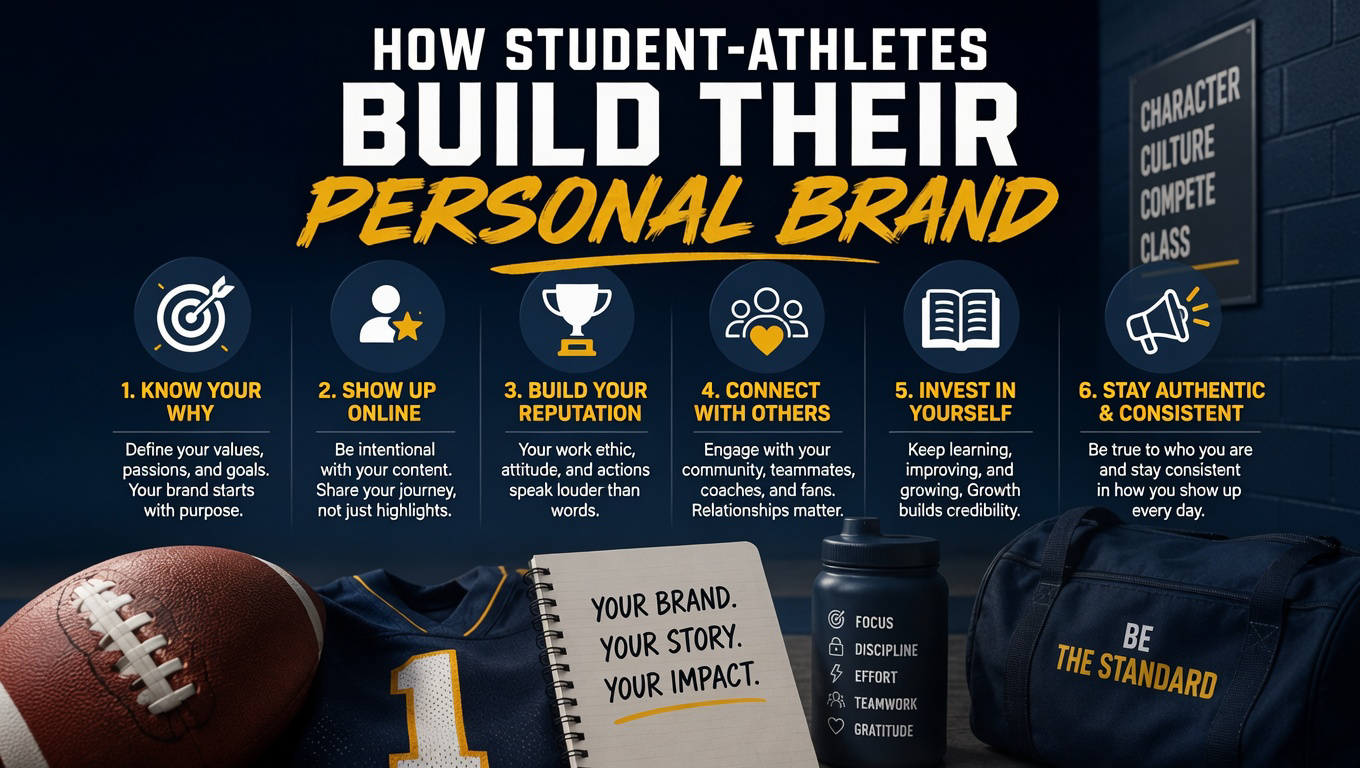
Personal branding begins with daily habits.
The online content should simply reflect who an athlete already is.
https://www.ballertube.com/news/521/the-golden-ticket-has-no-obvious-answer-washington-wizards-wrestle-with-the-nba-s-most-complicated-no-1-pick-decision-in-years/?tag_ids=5364,1190,13,265,1199,5945,10087,5591
Social Media Is Part of the Resume
Many student-athletes fail to realize that social media functions as an extension of their resume.
Coaches often review social media accounts during recruiting.
What they find can influence their perceptions.
This does not mean athletes must become content creators.
It simply means they should be intentional.
Questions athletes should consider include:
- Does this post represent me well?
- Would I be comfortable if a coach saw this?
- Does this reflect my values?
- Am I contributing positively?
Every post contributes to a digital reputation.
Athletes do not need perfection.
They need professionalism.
Highlight Videos Still Matter
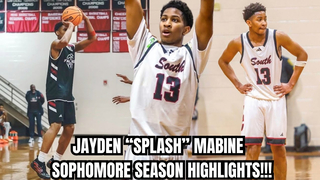
Highlight videos remain one of the most effective branding tools available to student-athletes.
For many coaches, a highlight video serves as an introduction.
It provides a snapshot of a player’s abilities and potential.
Effective highlight videos should emphasize:
- Basketball IQ
- Decision-making
- Defensive effort
- Versatility
- Athleticism
- Team play
Many athletes focus exclusively on flashy plays.
While spectacular moments can attract attention, coaches often value fundamentals even more.
A great assist, defensive rotation, or smart decision can leave a stronger impression than a difficult shot.
The best highlights tell the story of a complete player.
Consistency Creates Credibility
Building a personal brand is not about creating a perfect image.
It is about creating consistency.
Athletes gain credibility when their actions consistently align with their values.
If an athlete promotes hard work online but displays poor effort during competition, people notice.
If an athlete speaks about leadership but treats teammates poorly, people notice.
Authenticity matters.
Consistency matters.
The strongest personal brands are built when words and actions match.
Building Relationships Matters
Personal branding is often viewed through the lens of content creation.
However, relationships remain one of the most important components.
Athletes build their reputation through interactions with:
- Coaches
- Teammates
- Teachers
- Trainers
- Officials
- Opponents
- Community members
These relationships influence how others speak about an athlete.
Recommendations carry tremendous weight during recruiting.
When coaches call trusted contacts for information about a prospect, character and reputation frequently become major discussion points.
Strong relationships strengthen personal brands.
Leadership Is a Brand Builder
Leadership is one of the most powerful branding tools available to student-athletes.
Leadership is not limited to team captains.
Every athlete has opportunities to lead.
Leadership can be demonstrated through:
- Positive communication
- Consistent effort
- Accountability
- Encouragement
- Reliability
Athletes who consistently elevate those around them develop reputations that extend beyond statistics.
People remember leaders.
College coaches value leaders.
Teams need leaders.
A strong reputation for leadership often creates opportunities that talent alone cannot provide.
Academics Are Part of the Brand
Athletes sometimes separate academics from athletics.
Recruiters do not.
Academic performance contributes significantly to an athlete’s overall image.
Strong grades demonstrate:
- Discipline
- Responsibility
- Time management
- Commitment
Coaches want student-athletes who can handle the demands of college life.
Academic success provides evidence of that ability.
Athletes who prioritize academics often strengthen their recruiting profile and personal brand simultaneously.
https://www.cbssports.com/college-basketball/news/arkansas-arizona-multi-year-basketball-series/
Community Involvement Makes a Difference
Many of the most respected athletes understand the importance of serving others.
Community involvement demonstrates maturity and perspective.
Examples include:
- Youth coaching
- Volunteer work
- Charity events
- Community outreach
- Mentorship opportunities
These activities reveal character beyond athletics.
They show that an athlete values impact as much as recognition.
For many coaches and organizations, that matters.
A personal brand becomes stronger when it reflects positive contributions to others.
Handling Adversity Defines Reputation
Anyone can look good when things are going well.
Adversity reveals character.
Injuries, losses, reduced playing time, and setbacks are inevitable parts of athletics.
How athletes respond often shapes their reputation.
Do they blame others?
Do they quit?
Do they remain positive?
Do they continue working?
Coaches pay attention to these moments.
Teammates remember them.
Personal brands are often built during difficult times rather than successful ones.
Resilience leaves a lasting impression.
The Importance of Professional Communication
Communication skills are becoming increasingly valuable in athletics.
Athletes frequently communicate with:
- Coaches
- Recruiters
- Media outlets
- Trainers
- Event organizers
Professional communication demonstrates maturity.
Simple habits make a difference:
- Responding promptly
- Using respectful language
- Expressing gratitude
- Being clear and concise
Strong communication enhances credibility and strengthens relationships.
Those qualities contribute directly to personal branding.
NIL and the Future of Branding
The rise of Name, Image, and Likeness (NIL) opportunities has increased awareness of personal branding across sports.
While most high school athletes are not focused on endorsement deals, NIL has highlighted the value of reputation and visibility.
Brands want partnerships with athletes who represent positive values.
Followers matter.
But trust matters more.
Authenticity matters more.
Character matters more.
Athletes who build strong reputations position themselves for future opportunities, whether those opportunities involve sports, business, or leadership.
Avoiding Common Branding Mistakes
Many athletes unintentionally damage their personal brands.
Common mistakes include:
- Negative social media behavior
- Poor sportsmanship
- Inconsistent effort
- Disrespectful communication
- Excessive self-promotion
The goal is not perfection.
The goal is awareness.
Athletes should regularly evaluate whether their actions align with the image they want to project.
Small decisions accumulate over time.
Reputations are built one choice at a time.
Building a Brand Takes Time
One of the most important lessons in personal branding is patience.
Strong brands are not built overnight.
They develop gradually through consistent actions.
Athletes should focus on becoming known for positive qualities such as:
- Hard work
- Leadership
- Integrity
- Coachability
- Excellence
- Service
Over time, these qualities become part of their identity.
The strongest brands are earned, not manufactured.
What Coaches Really Remember
Years after recruiting evaluations are completed, coaches often remember more than statistics.
They remember:
- Competitors
- Leaders
- Great teammates
- Hard workers
- Individuals with strong character
Athletes who make positive impressions often stand out long after games are forgotten.
Personal branding is ultimately about creating those impressions intentionally.
It is about building a reputation that reflects both talent and character.
Final Thoughts
Every student-athlete has a personal brand whether they realize it or not.
The question is not whether a brand exists.
The question is whether it is being shaped intentionally.
In today’s world, athletes have unprecedented opportunities to share their stories, showcase their abilities, and connect with audiences beyond their local communities.
But the strongest personal brands are not built on followers, highlights, or popularity.
They are built on character.
They are built on consistency.
They are built on relationships.
They are built on daily choices.
Social media can amplify a reputation.
Highlight videos can showcase talent.
Recruiting platforms can increase exposure.
But none of those tools replace the importance of integrity, work ethic, and leadership.
At the end of the day, the most successful student-athletes understand a simple truth:
Your brand is not what you say about yourself.
Your brand is what people consistently experience when they interact with you.
Build that reputation wisely, and opportunities will often follow.