
Baseball and softball's early signing day came and went on Wednesday.
November 11 was the first day high school seniors in the class of 2027 could sign with NCAA Division I baseball and softball programs, with a dead period on the recruiting calendar running through signing week. Families posted the photos, coaches posted the classes, and a lot of players finally exhaled.
Then most of them went right back to work.
Why winter matters
For baseball and softball players, the offseason is where swings get rebuilt. Fall ball is over, the high school season is months away, and the work moves into garages, backyards and indoor cages.
Travel ball players know the routine. Tee work. Front toss into a net. Swing after swing at a target that does not move until the mechanics are right. Pitchers check their velocity to see if the winter throwing program is working.
None of that needs a full facility. A tee, a net and a little space go a long way.
The tools players use
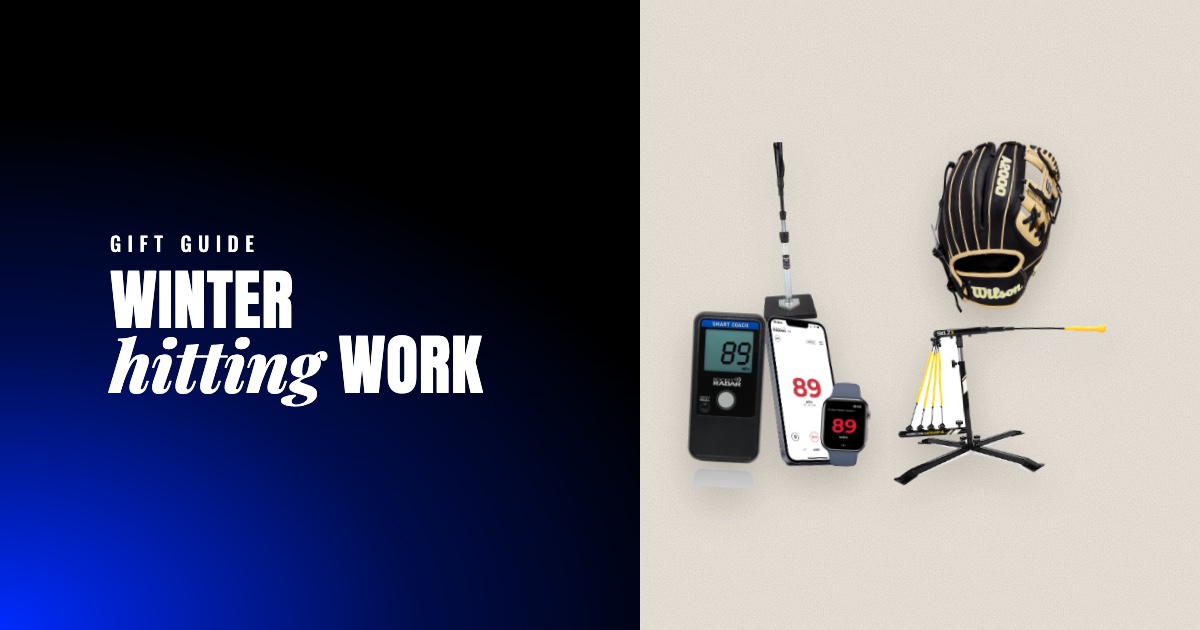
A good tee. Many hitters take more swings off a tee than in any game. A tee with a flexible top lets the hitter feel the ball at contact instead of the post.
A pop up net. A 7 by 7 foot net turns a backyard or garage into a hitting station in a few minutes.
A swing trainer. Trainers that hold a ball on elastic bands let a player swing over and over without anyone shagging balls.
A radar. Pocket radars that pair with a phone have become common in travel ball, for pitchers tracking velocity and hitters tracking bat and ball speed.
Our gifts for baseball and softball players guide sorts these picks into hitting at home, game day gear, books for students of the game and recovery, with something in every price band.
For smaller stuff that fits in a bat bag, the stocking stuffers for athletes list has it covered. And for the parent filming every at bat this spring, see the best cameras to film youth sports.
The signing photos are already posted. The swings that matter next season are being taken right now.