The journey of a young basketball player is about much more than points, highlights, or how many followers they have on social media. It is about development, confidence, competition, and the willingness to continue getting better. For Braxton Burdorf, a member of the Class of 2031, that journey is already underway.
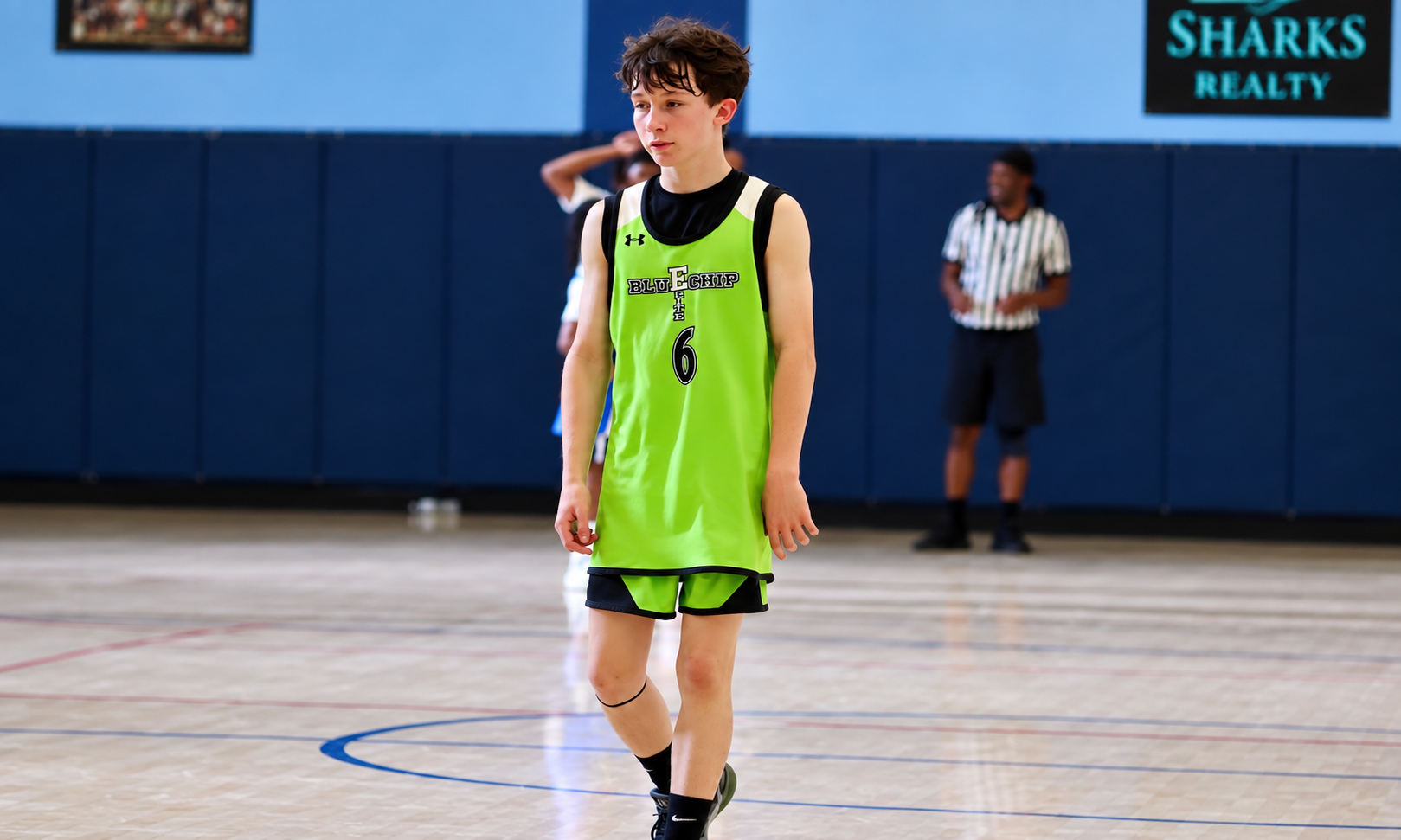
Standing at 5-foot-9 and currently playing the guard/wing position, Burdorf is an eighth-grade basketball player who is putting together valuable experience against competitive competition. His basketball profile reflects a young athlete who is taking the game seriously and using every opportunity to continue developing.
Burdorf’s Instagram profile highlights his connection with Blue Chip Elite, Elite Sports Academy Arizona, and Falcons Mens Basketball, giving a glimpse into the basketball environment surrounding his development. With several seasons ahead of him before reaching the high school level, this is an important stage in his growth as a player.
At this point in a young athlete’s career, development is everything.
Building Confidence Through Competition
One of the most important things for a young basketball player is learning how to compete with confidence.
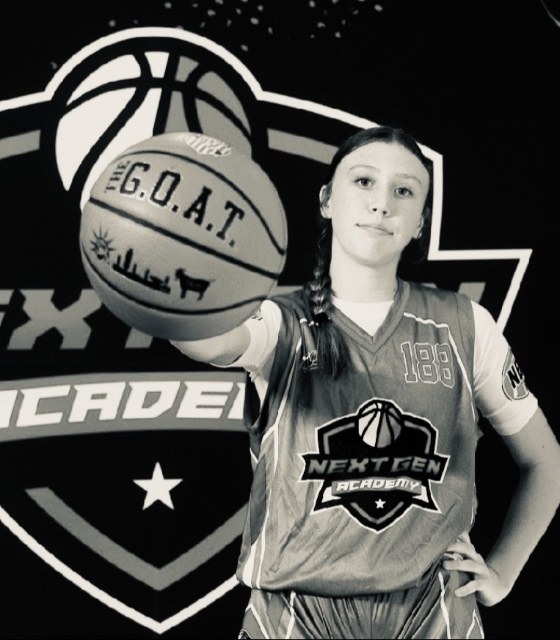
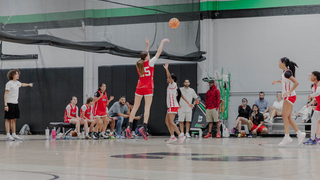
The photos and game clips of Burdorf show a player who is comfortable getting involved in the action. Whether attacking the basket, finishing around the rim, pushing the ball in transition, or competing against defenders, he continues to gain experience through live-game situations.
Those experiences can become extremely valuable as a player gets older.
Basketball becomes faster and more physical with each level. Players who learn early how to make decisions under pressure can put themselves in a strong position for future development. For Burdorf, competing now gives him an opportunity to learn what works, identify areas that need improvement, and understand what it takes to succeed against different types of opponents.
That process doesn’t happen overnight.
Every tournament, practice, game, and offseason workout can provide another lesson.
A Guard/Wing With Room to Grow
Burdorf’s position as a guard/wing gives him an opportunity to develop a versatile offensive game.
At 5-foot-9 as an eighth grader, his size and athletic development can continue to change as he moves through his teenage years. More importantly, the skills he builds now can become the foundation of his game later.
For a young guard/wing, ball-handling is one of the most important areas to develop. Being able to bring the ball up the floor, change direction, attack pressure, and create opportunities can make a player more valuable.
Shooting will also remain a major part of his development.
The ability to consistently knock down open shots forces defenders to respect a player on the perimeter. That creates opportunities to attack closeouts, get into the paint, make plays for teammates, and keep the offense moving.
The next step is putting all of those skills together.
A developing guard/wing needs to understand when to attack, when to make the extra pass, when to slow down, and when to be aggressive. Those decisions become increasingly important as competition improves.
Developing Beyond the Highlights
Social media has changed the way young basketball players showcase their games.
Highlights can introduce a player to coaches, trainers, programs, and basketball fans. But a highlight video only captures a few moments.
The real development happens away from the camera.
For Burdorf, continuing to work on the details of the game will be important. Defensive positioning, footwork, passing, rebounding, communication, decision-making, and understanding team concepts are all areas that can help separate a developing player from the competition.
Young athletes sometimes focus heavily on what looks good in a highlight. The players who make the biggest improvements often learn to appreciate the less glamorous parts of basketball as well.
Setting screens.
Making the extra pass.
Getting back on defense.
Boxing out.
Communicating.
Taking care of the basketball.
Playing through mistakes.
Those habits matter.
As Burdorf continues to mature physically and mentally, developing those details can help him become a more complete basketball player.
The Importance of the Offseason
For players in the Class of 2031, there is still a tremendous amount of time to grow.
That makes the offseason especially important.
The offseason should not simply be about playing more games. It should be about becoming a better player.
For Burdorf, that could mean continuing to develop his handle, improving his shooting consistency, strengthening his finishing ability, becoming a more disciplined defender, and learning how to create opportunities for teammates.
Strength and conditioning can also become increasingly important as he gets older.
As his body develops, improving balance, coordination, strength, speed, and explosiveness can help him handle the physical demands of basketball. The goal should always be long-term development rather than rushing the process.
There is no need for an eighth grader to have everything figured out.
The goal is to keep progressing.
Learning From Every Game
One of the biggest advantages young players have is time.
Burdorf has several years before he reaches the college recruiting stage. That gives him plenty of opportunities to learn from both success and failure.
A great game can build confidence, but a difficult game can teach just as much.
Maybe the shots weren’t falling.
Maybe turnovers became an issue.
Maybe the defense wasn’t consistent.
Maybe an opponent was more physical.
Those moments can become teaching opportunities.
The key is learning how to respond.
Young players who can accept coaching, identify weaknesses, and return to the gym with a purpose often make significant progress over time.
For Burdorf, every season represents another opportunity to add something to his game.
Competing With a Purpose
The basketball environment surrounding Burdorf gives him opportunities to compete and continue learning.
Being around competitive teammates and opponents can raise a player’s level. Practices become more challenging. Games become more meaningful. Mistakes become easier to identify.
Competition also teaches toughness.
There will be games where everything goes right. There will also be games where nothing seems to work.
Learning how to stay locked in regardless of the circumstances is part of becoming a successful basketball player.
That mental side of the game is something that continues developing throughout a player’s career.
For a young athlete, confidence should not be confused with thinking you have nothing left to learn. The best young players can be confident in what they do well while remaining hungry to improve.
Looking Ahead to High School Basketball
The Class of 2031 still has plenty of time before high school basketball becomes the next major chapter.
That makes the coming years exciting.
Burdorf has the opportunity to build his game before entering the high school environment. By continuing to work on his fundamentals, physical development, basketball IQ, and confidence, he can give himself a strong foundation for that next level.
High school basketball will bring new challenges.
The players will be bigger.
The game will be faster.
The expectations will increase.
Playing time will have to be earned.
Those challenges are part of the process.
The goal between now and then should be steady improvement rather than trying to become the finished product too early.
https://www.cbssports.com/college-basketball/news/jon-scheyer-duke-mavericks-nba/
What to Watch for From Burdorf
As Burdorf continues his basketball journey, there are several areas worth watching.
1. Perimeter shooting:
Continued improvement as a consistent outside shooter can open up the rest of his offensive game.
2. Ball-handling:
A stronger handle can allow him to create more opportunities against pressure and attack defenders.
3. Finishing:
Learning different ways to finish around the basket can help him become more effective against bigger defenders.
4. Playmaking:
Developing the ability to consistently create opportunities for teammates will add another dimension to his game.
5. Defense:
Becoming a dependable defender can increase his value regardless of how many points he scores.
6. Basketball IQ:
Understanding spacing, timing, rotations, and decision-making will become increasingly important as competition gets stronger.
7. Physical development:
As he grows and gets stronger, his athletic tools can continue to evolve.
More Than a Young Basketball Player
When looking at a young player like Braxton Burdorf, it is important to remember that development is not always measured by statistics. At this stage, growth can happen in many different ways.
A player can become a better teammate. A better communicator. A better defender. A more confident ball-handler. A smarter decision-maker. Sometimes those improvements don’t immediately show up in a box score, but they can have a major impact on a player’s future.
For Burdorf, the opportunity in front of him is significant because he is still early in his basketball journey. There is plenty of time to add new skills and turn weaknesses into strengths.
That process starts with being willing to work.
Confidence Without Complacency
Confidence is an important part of basketball.
A guard has to believe he can make the shot when he is open. He has to believe he can attack a defender. He has to believe he can make the right pass when the defense collapses.
But confidence also has to be balanced with humility.
The game constantly provides new challenges. A player who believes he has nothing left to learn can stop improving. A player who understands there is always another level to reach can continue progressing.
That mindset can be especially important for a young athlete.
Burdorf doesn’t need to have his entire game figured out right now. Instead, he can focus on improving one part of his game at a time.
Maybe one month is focused on shooting.
Another month can be dedicated to ball-handling.
Another period can focus heavily on defense.
Over time, those individual improvements begin to come together.
Becoming a Complete Player
One of the biggest goals for any young guard or wing should be becoming more than just a scorer.
Scoring is important, but complete players find ways to impact the game even when their shot isn’t falling.
A complete player can defend.
A complete player rebounds.
A complete player communicates.
A complete player makes the extra pass.
A complete player understands when to be aggressive and when to allow the game to come to him.
For Burdorf, continuing to develop in those areas can help him become the type of player coaches can trust in different situations.
There will be games where his team needs scoring.
There will be games where his team needs defense.
There will be games where his team needs someone to make a big play.
Learning how to contribute in different ways can become one of his biggest strengths.
The Mental Side of Basketball
Basketball is a physical game, but it is also a mental game.
Young players often learn that quickly.
A missed shot can lead to frustration. A turnover can affect confidence. A bad defensive possession can lead to another mistake.
The ability to move on to the next play is critical.
The best players aren’t perfect. They make mistakes, just like everyone else. The difference is often how quickly they recover.
For Burdorf, learning to have a short memory can be valuable.
Miss the shot?
Get back on defense.
Turn the ball over?
Make the next play.
Get beat defensively?
Compete harder on the next possession.
Basketball doesn’t give players much time to feel sorry for themselves. The next possession is always coming.
Developing that mentality now can benefit him throughout his career.
Leadership Can Start Early
Leadership isn’t something a player has to wait until high school or college to develop.
It can begin right now.
Leadership can mean encouraging a teammate after a mistake. It can mean being the first player to get into a drill. It can mean listening when a coach is speaking. It can mean setting the example during practice.
A young player doesn’t necessarily have to be the loudest person in the gym to be a leader.
Sometimes leadership is simply consistency.
Showing up.
Working hard.
Being coachable.
Competing.
Supporting teammates.
Those habits can earn respect from teammates and coaches.
As Burdorf continues to mature, developing those leadership qualities can become another important part of his basketball identity.
The Importance of Being Coachable
One of the most valuable qualities a young basketball player can have is the ability to accept coaching.
Every player has areas that need improvement.
Coaches see things players don’t always see themselves. They can identify mistakes in footwork, positioning, decision-making, shot selection, defensive technique, and body language.
Being coachable means being willing to listen and then apply the correction.
That second part is important.
Hearing advice is one thing.
Putting it into action is another.
For Burdorf, every coaching opportunity can become another tool for his development. The goal should not be to take criticism personally. Instead, constructive criticism should be viewed as information that can help make him better.
Preparing for the Next Level
The transition from youth basketball to high school basketball can be a major adjustment.
The pace increases.
The physicality increases.
The expectations increase.
Players who may have been among the best athletes on the floor at one level suddenly find themselves competing against other talented players.
That transition can challenge a young athlete.
Preparation begins long before the first high school practice.
Developing strong fundamentals now can make that transition easier later.
A reliable handle.
Consistent shooting mechanics.
Good defensive habits.
Strong footwork.
Understanding spacing.
Making smart passes.
Playing under control.
These are skills that can translate to higher levels.
Understanding the Game
Basketball IQ is another area that can separate players as they get older.
A player can have athletic ability and still struggle if he doesn’t understand the game.
Knowing where to be on the court matters.
Understanding when to cut matters.
Knowing how to use a screen matters.
Recognizing defensive rotations matters.
Knowing when to push the pace and when to slow the game down matters.
For a guard/wing like Burdorf, continuing to develop that understanding can be extremely valuable.
The more he understands the game, the easier it becomes to make decisions before the defense has time to react.
Staying Patient With Development
Perhaps the most important message for any young basketball player is simple:
Don’t rush the process.
There is pressure in today’s basketball world to constantly compare young athletes.
Who has the most followers?
Who has the biggest highlights?
Who is playing on the biggest team?
Who is receiving attention?
But every player develops differently.
Some players grow earlier physically.
Some players develop their skills earlier.
Some players don’t make a major jump until high school.
Others continue improving throughout their teenage years.
Burdorf’s journey doesn’t have to look like anyone else’s.
His job is to focus on his own development.
If he continues improving year after year, the results will eventually speak for themselves.
Building a Basketball Identity
Every player eventually develops an identity on the court.
Some become known as elite shooters.
Some become defensive specialists.
Some become playmakers.
Some become high-energy players who can impact the game in multiple ways.
For Burdorf, that identity is still being developed.
That’s actually one of the exciting parts of being a young player.
He has time to experiment with his game and discover where his biggest strengths can develop.
Maybe he becomes a highly effective two-way guard.
Maybe his shooting becomes one of his biggest weapons.
Maybe his ability to attack the basket becomes a major part of his game.
Maybe he develops into a versatile wing who can defend multiple positions.
There is no need to decide that today.
The game will help reveal the answer.
The Road Ahead
The road ahead for Braxton Burdorf will include plenty of challenges.
There will be tough practices.
There will be difficult opponents.
There will be games where things don’t go according to plan.
There will also be moments of success.
The key will be how he responds to all of them.
Every challenge can teach him something.
Every strong performance can give him confidence.
Every mistake can give him something to work on.
Every offseason can provide another opportunity to improve.
That’s what makes the basketball journey so rewarding.
The player who walks onto the court as an eighth grader is not supposed to be the same player who eventually walks onto a high school court.
The goal is growth.
Final Takeaway
Braxton Burdorf represents an early-stage basketball prospect with plenty of time and opportunity ahead of him.
As a Class of 2031 guard/wing, his story is still in the opening chapters. The experiences he is gaining through competitive basketball can provide a valuable foundation as he continues developing his skills and understanding of the game.
The next few years will be important.
How much will he improve his shooting?
How much will his handle develop?
Can he become a stronger defender?
Can he become a consistent playmaker?
How will his physical development change his game?
How will he respond when competition gets tougher?
Those are questions that will be answered over time.
For now, the focus should remain simple: work, learn, compete, and improve.
Basketball rewards players who are willing to stay committed to the process.
Burdorf has time on his side, and that is something worth taking advantage of. With continued development, strong coaching, competitive experiences, and a commitment to improving the details of his game, he can continue building toward the next stage of his basketball career.
The Class of 2031 is still a long way from its final destination.
For Braxton Burdorf, the journey is just getting started—and there are plenty more chapters left to write.
The Bigger Picture
Every basketball journey begins somewhere.
For Burdorf, this is an early chapter.
The photos and videos may capture moments from games and tournaments, but the bigger story is the development happening between those moments. At only the eighth-grade level, he has plenty of time to grow as a player, teammate, and competitor.
The Class of 2031 is still years away from college basketball decisions. Right now, the focus should be on building strong habits, loving the game, listening to coaches, competing with purpose, and taking advantage of every opportunity to improve.
There is no shortcut to becoming a better basketball player.
It takes repetition.
It takes patience.
It takes coaching.
And it takes a willingness to keep working when nobody is watching.
Burdorf’s journey is one to keep an eye on as he continues through the youth basketball ranks and eventually makes the transition into high school basketball.
The next few years can bring significant changes.
His game will evolve.
His body will develop.
His competition will get tougher.
And his role on the court may change.
The most important thing is that the foundation continues to grow.
For now, Braxton Burdorf is a young Class of 2031 guard/wing with plenty of basketball ahead of him. His story is still being written, and the next chapters will be determined by how he responds to challenges, how consistently he works, and how committed he remains to becoming the best version of himself on the court.
The journey is just beginning.