Watch enough sports and one jewelry brand becomes increasingly difficult to miss.
GLD.
NBA players wear it.
NFL players receive custom pieces.
College athletes get iced out.
WNBA stars wear it in tunnel fits.
Elite high school quarterbacks receive GLD chains.
And now the brand is even appearing at youth basketball camps, rewarding young athletes with jewelry before many of them have even entered high school.
That raises a bigger question.
Why is GLD investing so heavily in athletes at virtually every level of sports?
The obvious answer is exposure.
Sports generate massive audiences, athletes influence culture and major events create enormous amounts of social media content.
But there appears to be something deeper happening.
GLD isn't simply marketing to sports fans.
GLD is positioning itself inside the athlete lifestyle from youth sports all the way to the professional level.
And that could be an extremely smart long-term strategy.
Start With the Professional Athlete
At the top of the pyramid is the professional athlete.
GLD has spent years associating itself with some of the biggest names in sports.
The company's own history highlights relationships with athletes including Carmelo Anthony, Kevin Durant and Paul Pogba.
More recently, GLD has been visible around NFL Draft events, NBA Finals, Super Bowl activations, Fanatics Fest and professional women's basketball.
The strategy makes sense.
Professional athletes are among the most influential fashion figures in American culture.
What they wear gets photographed.
Their tunnel fits become content.
Their jewelry becomes content.
Their draft-night outfits become content.
Their celebrations become content.
A chain around an NBA player's neck can potentially receive more attention than a traditional advertisement.
But GLD isn't stopping with professionals.
That's where the strategy becomes much more interesting.
GLD Is Going Down the Athlete Pipeline
Look at the levels where GLD is now appearing.
Professional sports.
College sports.
Elite high school sports.
Youth sports.
That isn't random.
It creates an athlete marketing funnel.
A professional athlete establishes what success looks like.
A college athlete brings that image closer to the younger generation.
A nationally ranked high school athlete makes the lifestyle feel even more attainable.
And eventually, the young athlete begins participating in the culture himself.
GLD is finding ways to be present at each stage.
Elite 11 May Be the Perfect Example
Consider GLD's relationship with Elite 11.
Elite 11 isn't an NFL event.
It isn't college football.
It is a development and competition platform built around elite high school quarterbacks.
Yet GLD created an official Elite 11 jewelry collection and became the designer of custom chains recognizing quarterbacks who earn their place at the Elite 11 Finals.
That's important.
These players haven't reached the NFL.
Many haven't played a college snap.
But they are already influential athletes.
They're nationally ranked.
They have significant social media followings.
They receive scholarship offers.
They appear on recruiting websites.
They generate highlight videos.
And younger quarterbacks around the country already follow them.
GLD is getting into the relationship before the athlete reaches his largest stage.
The Elite 11 Chain Becomes a Trophy
The Elite 11 partnership also shows how GLD is changing the meaning of jewelry within sports.
Traditionally, athletes win trophies.
GLD is turning jewelry into the trophy.
An Elite 11 chain isn't simply something a quarterback purchases.
It represents being selected into an exclusive group.
That gives the jewelry meaning.
The chain becomes associated with achievement.
And that creates a powerful psychological connection between the brand and the athlete.
Instead of GLD saying, "Buy this chain because it looks good," the message becomes:
You earned this chain because you're elite.
That's a much stronger association.
Then Look at Erica Wheeler's Basketball Camp
GLD's involvement with WNBA veteran Erica Wheeler shows the strategy moving even further down the age ladder.
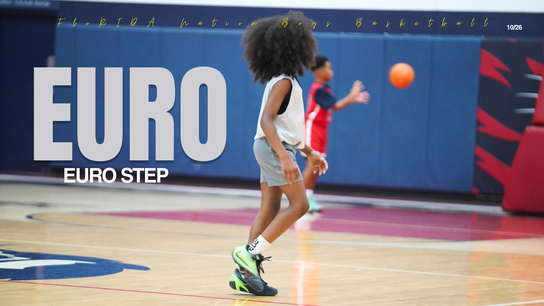
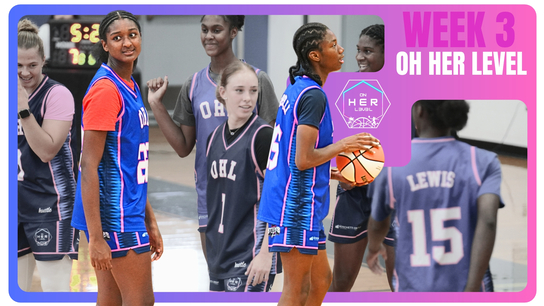
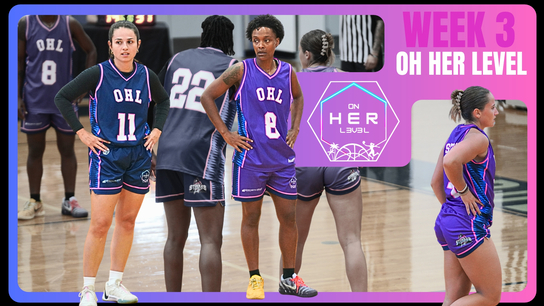
At Wheeler's ninth annual basketball camp in South Florida, young girls participated in drills, competitions and All-Star Games.
The All-Star Game winners received iced-out gifts from GLD.
Think about that experience from the perspective of a young athlete.
You compete at a basketball camp.
You make the All-Star Game.
Your team wins.
And someone puts an iced-out piece around your neck.
That kid may remember that moment for years.
And she may remember the brand that created it.
GLD isn't merely placing an advertisement inside the gym.
It is attaching itself to an emotional sports memory.
That Is Different From Traditional Advertising
A banner on the wall disappears when the event ends.
A digital advertisement disappears when someone scrolls.
Jewelry stays with the athlete.
The player wears it home.
She takes pictures in it.
She posts it.
Her parents post it.
Her teammates see it.
Other players ask about it.
The product continues generating impressions long after the event ends.
And because it was earned through basketball, it has a story attached to it.
That is incredibly valuable marketing.
GLD Is Building Relationships Before NIL
The youth and high school strategy becomes even more interesting when viewed through the modern NIL landscape.
Today's elite high school athlete can become commercially valuable very quickly.
A nationally ranked quarterback can have tens of thousands of followers before playing college football.
A five-star basketball player can become nationally known at 15 or 16.
By the time those athletes arrive in college, some already have established audiences.
GLD doesn't necessarily have to wait until then.
Elite 11 puts the company directly around some of the country's most promising quarterbacks before college.
Youth basketball camps put GLD in front of another generation even earlier.
The brand is effectively entering the athlete ecosystem before many traditional sponsors would even consider the player commercially valuable.
Then College Turns the Volume Up
Once athletes reach college, GLD's presence becomes even more visible.
The company has worked with college football and basketball players through NIL and gifting campaigns.
Oregon quarterback Dillon Gabriel partnered with GLD and helped get jewelry for his teammates.
During March Madness, GLD worked with players including St. John's forward Zuby Ejiofor, who helped ice out his teammates during the program's tournament run.
Iowa State players received GLD pieces.
Tennessee players showed off GLD jewelry during their NCAA Tournament run.
Now the athlete has moved from prospect to nationally televised college star.
And GLD is still there.
Then Comes the Pros
At the professional level, the same strategy reaches its maximum visibility.
GLD has relationships throughout the NBA, NFL, WNBA and other professional sports.
The company has created custom pieces around major sporting moments.
It has activated around the Super Bowl.
It has appeared around the NFL Draft.
It has been involved during the NBA Finals.
It has participated at Fanatics Fest.
It has placed itself directly inside Unrivaled, where some of women's basketball's biggest stars wore GLD jewelry with their tunnel fits.
At Unrivaled, GLD wasn't merely advertising near the players.
The company set up inside the players lounge.
Athletes tried on pieces.
They selected jewelry.
They wore it.
The fits went viral.
Breanna Stewart, Erica Wheeler, Rhyne Howard, Natasha Cloud, Rickea Jackson, Shakira Austin, Aaliyah Edwards and others appeared in GLD.
That is athlete marketing in its purest form.
The Athlete Becomes the Advertisement
GLD doesn't always need to tell consumers its jewelry is cool.
The athlete does that for them.
Give the right athlete a chain.
He puts it on.
Someone takes a picture.
He posts it.
His team posts it.
Sports media reposts it.
Fans see it.
Young athletes see it.
Other athletes see it.
One piece can potentially generate thousands or millions of impressions.
And unlike a conventional commercial, the content doesn't necessarily feel like an advertisement.
It feels like athlete culture.
Why Jewelry Works So Well With Sports
There is another reason this strategy fits GLD particularly well.
Athletes already like jewelry.
Basketball, football, hip-hop, sneakers, streetwear and jewelry have overlapped culturally for decades.
GLD didn't have to convince athletes that chains were cool.
The demand already existed.
What GLD did was make the aesthetic more accessible.
Professional athletes can spend tens of thousands of dollars on natural diamond jewelry.
The average teenager cannot.
GLD offers products across a much broader range of price points, including gold-plated pieces with CZ stones as well as more expensive moissanite, lab diamond and solid gold options.
That means a young athlete can imitate the aesthetic of a professional player without spending professional-athlete money.
Kids Want to Look Like the Pros
This is where the youth strategy makes even more sense.
Young athletes have always imitated professionals.
They buy their shoes.
They wear their jerseys.
They copy celebrations.
They copy hairstyles.
They wear shooting sleeves.
They practice signature moves.
Today, social media adds another layer.
They copy the lifestyle.
The tunnel fit.
The backpack.
The headphones.
The sneakers.
The chain.
A 13-year-old basketball player doesn't necessarily want to dress like another 13-year-old.
He wants to look like the NBA player he follows.
A young quarterback doesn't want to look like an ordinary high school student.
He sees NFL quarterbacks, college stars and elite recruits being treated like celebrities.
GLD sits directly inside that aspiration.
The Genius Is Getting There Early
This may be the most interesting part of GLD's strategy.
Nike wants the young athlete wearing Nike before he becomes a professional.
Gatorade wants the young athlete associating Gatorade with competition before he reaches the NFL.
Sports brands understand lifetime customer value.
GLD appears to be applying a similar concept to jewelry.
If a young athlete receives his first memorable chain from GLD at 13, what happens when he wants another at 16?
What happens when he gets his first scholarship offer?
What happens when he commits to college?
What happens when he signs his first NIL deal?
What happens if he gets drafted?
The customer's purchasing power increases as the athlete moves through the pipeline.
GLD can potentially move with him.
From $100 Pendant to $10,000 Custom Piece
That's where the economics become fascinating.
The young fan or athlete might enter the GLD ecosystem through a relatively inexpensive pendant.
Later he buys a chain.
Then a bracelet.
His income increases.
His profile increases.
Maybe he becomes a college athlete.
Maybe he signs an NIL deal.
Maybe he eventually becomes a professional.
GLD already has products positioned across those different price levels.
So the brand doesn't necessarily have to find a new customer every time someone's purchasing power changes.
It can grow with the existing customer.
Sports Events Give GLD Something Even Bigger
The visibility argument still matters.
Sporting events gather exactly the audience GLD wants.
Athletes.
Young athletes.
Parents.
Fans.
Influencers.
Celebrities.
Media.
Agents.
Coaches.
Content creators.
When GLD appears at an event, it doesn't simply get exposure to spectators.
It gets exposure to the entire sports ecosystem.
That's why something like Elite 11 is particularly valuable.
The quarterbacks are there.
Their families are there.
Recruiting media is there.
College football fans are watching.
Future prospects are watching online.
Content gets distributed across social media.
GLD gets multiple audiences from one activation.
GLD Is Turning Jewelry Into Sports Hardware
Perhaps the smartest part of all of this is how GLD increasingly positions jewelry as a reward.
Win something.
Get iced out.
Make Elite 11.
Get a chain.
Win the camp All-Star Game.
Get GLD.
Have a huge season.
Get a custom piece.
Reach a major career milestone.
Get another piece.
That language is already familiar in sports.
Championship teams receive rings.
Olympians receive medals.
Players receive trophies.
GLD is creating another form of hardware.
The chain.
And for a generation heavily influenced by athlete fashion and hip-hop culture, that might resonate more than another trophy sitting on a shelf.
GLD Is Playing the Long Game
That's why GLD's sports strategy shouldn't be viewed simply as sponsorship.
It looks more like customer acquisition through athlete culture.
Start with professional athletes to establish credibility.
Use college stars to connect the brand with the next generation.
Get involved with elite high school events like Elite 11.
Show up at youth events and camps.
Give athletes jewelry when they accomplish something.
Let them wear it.
Let them post it.
Let younger athletes see it.
Then sell accessible versions of the lifestyle to everyone watching.
The entire system feeds itself.
Professional athletes create the dream.
College athletes make it feel closer.
Elite high school athletes make it attainable.
Youth athletes begin participating in the culture.
Social media distributes everything.
And GLD sells jewelry at virtually every step.
That is much bigger than putting a logo on a sporting event.
GLD is trying to become part of what being an athlete looks like.
If that association becomes strong enough, the company won't have to convince the next generation of athletes to buy jewelry.
They will already know which jewelry brand they want.