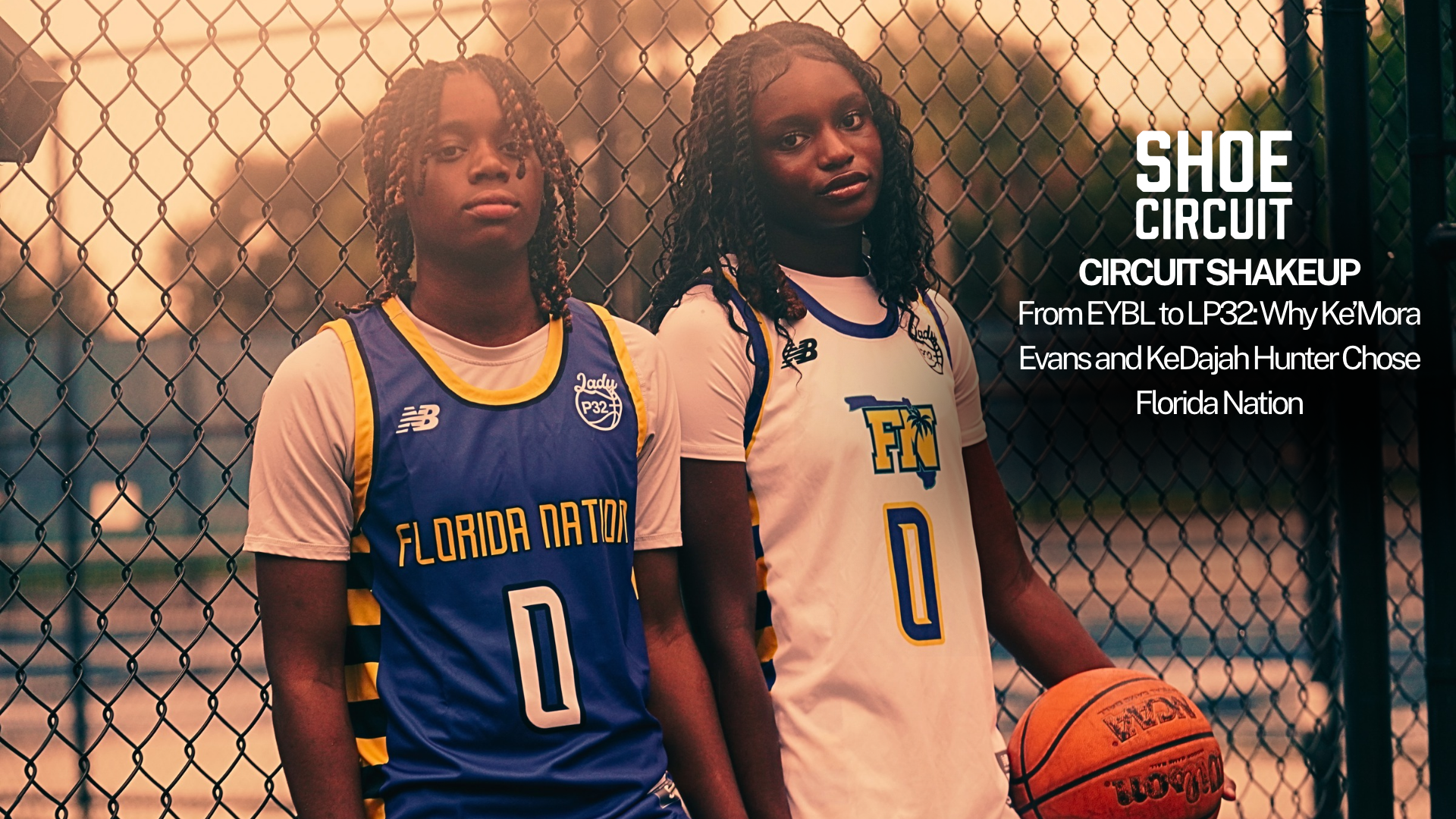
Two rising South Florida prospects make the move from Nike EYBL programs to New Balance's LP32, highlighting a growing emphasis on player development, program fit and year-round exposure.
SOUTH FLORIDA — Florida Nation Basketball continues to strengthen its roster with the additions of two promising young prospects, Ke’Mora Evans (Class of 2028) and KeDajah Hunter (Class of 2030), both arriving from established Nike EYBL programs.
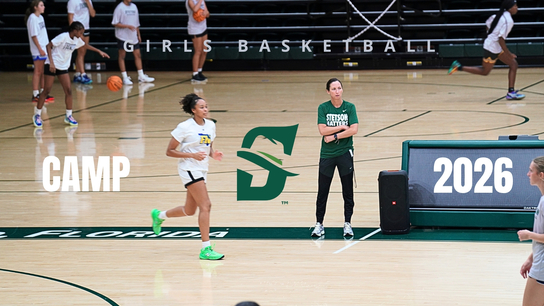
Evans joins Florida Nation after competing with the Miami Suns, while Hunter makes the transition from Essence Girls Basketball. Both athletes will now be part of a Florida Nation organization competing on New Balance's Lady P32 circuit.
For Florida Nation, the additions represent another significant step in attracting talented players throughout South Florida. For the broader girls basketball landscape, however, the moves reflect a conversation that is becoming increasingly relevant in grassroots basketball: Is the name of the circuit still the most important factor in an athlete's development and recruitment?
The answer may be changing.
Two Rising Prospects, One New Destination
Evans arrives with an impressive combination of speed, basketball IQ and offensive versatility.
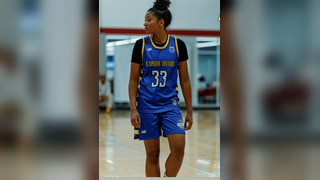
The 2028 Nova High School guard has demonstrated an ability to operate as both a primary ball handler and an off-ball scoring threat. Her quickness in transition, decision-making and ability to create opportunities for teammates make her a valuable addition to Florida Nation's backcourt.
At the recent Preps Nation Elite 20 workout, Evans showcased the ability to control tempo, attack defenses and create scoring opportunities without needing to dominate the basketball.
Her arrival gives Florida Nation another talented guard capable of contributing in multiple offensive roles while continuing to develop against national competition.
Hunter, meanwhile, brings another dimension to the program.
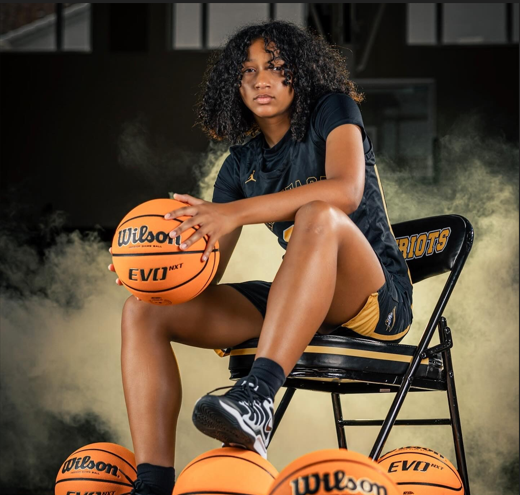
A 5-foot-10 prospect in the Class of 2030, Hunter has already demonstrated versatility as a combination guard and wing. Her length, lateral quickness and ability to defend multiple positions complement a developing offensive skill set.
Hunter's ability to get out in transition, attack the basket and create opportunities for teammates provides Florida Nation with another young prospect capable of growing within the program's development structure.
Although separated by two graduating classes, Evans and Hunter share something significant: Both are leaving established EYBL environments to pursue their next chapter with Florida Nation.
And they are not the only athletes reconsidering their options.
A Changing Landscape: Talent Is No Longer Confined to One Circuit
For years, Nike's Elite Youth Basketball League has maintained a reputation as one of the premier destinations for elite girls basketball talent.
Its history, national competition and access to college recruiters have made it an attractive platform for athletes pursuing collegiate opportunities.
But the emergence and expansion of competing circuits, including New Balance's LP32, Adidas 3SSB and Under Armour's UAA, collectively know as the shoe circuit, have created additional opportunities for players and families.
The result is a more competitive grassroots environment in which programs must increasingly demonstrate what they can offer beyond the logo on their uniforms.
One recent example is Columbia University commit Victoria Valle.
The 2027 guard made the decision to leave the Miami Suns and join WT Elite, another program competing on the LP32 circuit.
Valle's move proved significant.
After making the transition, she collected 12+ Division I scholarship offers across three events, demonstrating how a change in environment can influence recruiting opportunities.
The lesson isn't necessarily that one circuit provides better exposure than another. It's that the right situation can allow an athlete's abilities to become more visible.
A player competing on a nationally recognized team may still struggle to establish an individual identity if her role, minutes or opportunities don't allow her complete skill set to be displayed.
In a different environment, that same athlete might receive more responsibility, increased opportunities to showcase her strengths and stronger individual recruiting advocacy.
The player hasn't necessarily changed.
The opportunity has.
Similar movement is taking place elsewhere in the country.
In Missouri, the newly established Stealth basketball organization has attracted players previously associated with Missouri Phenom, another established Nike EYBL program.
Among those making the move are nationally recognized prospects Jordyn Haywood, Tenley Levin and Nikki Muller.
These developments illustrate how the distribution of talent across competing grassroots platforms continues to evolve.
Nike EYBL remains a powerful platform. But increasingly, it is one of several pathways athletes can consider.
Florida Nation Director Coach Slim: Development and Fit Are Becoming the Priority
For Florida Nation director Coach Slim, the movement reflects a positive change in how young athletes and their families evaluate basketball opportunities.
“Players are starting to consistently choose development and fit over name and circuit, which is ultimately what is going to happen when you make the jump to the next level. So it's good to see them making decisions more tailored to what suits them best long term as a prospect.”
The philosophy addresses a fundamental reality of the recruiting process.
At the collegiate level, athletes are not simply selecting a recognizable brand. They are evaluating coaching staffs, playing styles, development opportunities, academic environments and how they fit within a program's long-term plans.
Those same considerations are becoming increasingly important at the grassroots level.
For players such as Evans and Hunter, the decision to join Florida Nation represents an opportunity to continue their development in a different competitive environment while positioning themselves for future recruiting opportunities.
Exposure Still Matters. But the Right Exposure Matters More.
As the girls basketball landscape becomes more competitive, exposure remains one of the most important considerations for athletes pursuing college opportunities.
However, simply participating in a major shoe circuit does not guarantee that an athlete will receive meaningful recruiting attention.
The venue matters.
The competition matters.
The college coaches in attendance matter.
But equally important is whether an athlete is being placed in situations where those coaches can accurately evaluate her abilities.
A player might compete in front of dozens of college coaches without receiving significant individual attention. Another might play in a smaller but strategically selected environment where the programs most interested in her position, graduation class and skill set are actively evaluating prospects.
Effective exposure is not simply about being seen by the largest number of coaches.
It's about being seen by the right coaches, in the right environment, at the right time.
That distinction is becoming increasingly important as families evaluate where their athletes should compete.
Beyond the Live Period: Why Media Infrastructure Is Becoming Essential
Perhaps the most overlooked element of modern grassroots basketball is what happens after the NCAA live evaluation periods conclude.
During designated live periods, college coaches can evaluate prospective student-athletes in person at approved events.
But recruiting doesn't stop when those events end.
Coaches continue reviewing film, researching prospects, monitoring development and communicating within applicable NCAA recruiting rules.
For grassroots programs, that creates another important responsibility: ensuring their athletes remain visible even when college coaches are no longer sitting courtside.
Programs with organized media operations, accessible game footage, consistent player highlights, updated athlete profiles and reliable digital distribution have an opportunity to extend the value of every competition. Florida Nation's social media presence and use of exposure platforms like BallerTube certainly make their program attractive from that perspective as well.
A strong performance during a live-period event shouldn't disappear once the tournament ends.
It should become part of an athlete's permanent recruiting portfolio.
Full-game footage can help college coaches evaluate decision-making, defensive effort, consistency and how a player performs within a team structure.
Highlights can introduce prospects to programs that may not have watched them compete in person.
Player profiles and regularly updated content can help coaches track development over multiple seasons.
In that environment, media infrastructure is no longer simply a promotional luxury.
It is becoming an increasingly important component of athlete exposure.
The programs that recognize this shift can provide value beyond their tournament schedules, extending recruiting visibility throughout the year and Florida Nation seems to prioritized that as a program strategy.
A New Era of Parity in Girls Grassroots Basketball
The increasing movement of athletes between circuits is also contributing to a broader redistribution of talent.
Historically, certain organizations and shoe affiliations have held considerable influence over where top prospects choose to compete.
That influence remains significant, but the growth of competing platforms is giving families additional choices.
As talented players become more distributed across EYBL, LP32, 3SSB and UAA programs, the recruiting landscape becomes less concentrated.
For college coaches, that means evaluating talent across multiple circuits rather than assuming the strongest prospects are competing within one particular ecosystem.
For grassroots organizations, it creates greater pressure to invest in coaching, development, recruiting relationships, media coverage and the overall athlete experience.
And for players, it introduces something equally valuable: leverage.
Athletes and families can evaluate competing opportunities and make decisions based on their individual needs rather than feeling obligated to remain within one circuit.
That doesn't diminish the value of established programs. It creates an environment in which every organization must continue earning the confidence of its athletes.
Florida Nation's Latest Additions Signal Continued Growth
For Florida Nation, bringing Evans and Hunter into the program is another step in its continued development as a competitive destination for South Florida girls basketball.
The organization has already established its presence on New Balance's national grassroots platform, and attracting athletes from two different EYBL programs adds to its growing roster of talent.
Evans brings a developing 2028 guard with speed, versatility and offensive creativity.
Hunter adds a promising 2030 prospect with length, defensive potential and the ability to grow within the program over the coming years.
Both arrive with valuable experience from established grassroots organizations.
Now, both begin a new chapter.
Their moves don't establish that one circuit is superior to another, nor do they guarantee any particular recruiting outcome.
What they demonstrate is that the girls basketball landscape is becoming more competitive, more fluid and increasingly focused on the individual needs of athletes.
For Florida Nation, the immediate objective is straightforward: help two talented young players continue developing while giving them meaningful opportunities to compete and be evaluated.
For the rest of grassroots basketball, the larger message is becoming difficult to ignore.
The most important decision may no longer be which circuit an athlete joins. It may be which program gives that athlete the best opportunity to become the player she is capable of being.