There’s a version of the college athlete story that gets told over and over again. Packed arenas. National TV games. Full scholarships. Gear bags, NIL deals, and social media followings that turn teenagers into brands overnight. That’s the story most people think of when they hear “college basketball.”
But that’s not the full story.
There’s another side of college players that doesn’t get the same attention, and honestly, doesn’t ask for it either. It’s quieter. It’s grittier. It’s built on early mornings, long drives, and a love for the game that isn’t tied to a check, a camera, or a crowd.
That’s the life of a Division III athlete.
No scholarships.
No spotlight.
Still grinding.
And if you really understand basketball, you know that grind is as real as it gets.
No Scholarships Doesn’t Mean No Investment
One of the biggest misunderstandings about D3 players is that they’re somehow “less than” because they’re not on athletic scholarship. People hear “no scholarships” and assume the commitment isn’t serious.
That couldn’t be further from reality.
D3 players are investing just as much—if not more—into their careers. The difference is, they’re doing it without the financial backing that D1 and D2 players often have. Many are paying full tuition or piecing together academic aid just to be in school, while still committing 20+ hours a week to their sport.
Let that sink in.
They’re not being paid to play. They’re paying to play.
That changes everything about the mindset.
When you’re a D3 player, you’re not there because someone offered you a deal. You’re there because you chose it. You chose the grind. You chose the early lifts. You chose the bus rides. You chose the sacrifice.
That kind of choice creates a different level of ownership.
The Grind Doesn’t Look Charming
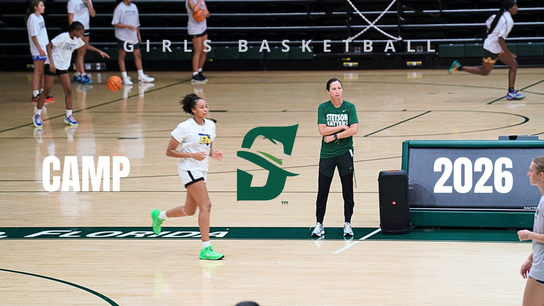
There are no charter flights waiting. No luxury hotels. No packed student sections every night.
Most D3 players are waking up before class to get lifts in. They’re squeezing in film between lectures. They’re grabbing whatever food they can between practice and study hall. And when it’s game time, they’re hopping on buses—sometimes for hours—to play in gyms that might not even be half full.
And they show up anyway.
That’s the part people don’t see.
There’s no ESPN highlight waiting at the end of the game. No viral moment guaranteed. Sometimes there’s barely even a crowd. But the energy? The competitiveness? The pride?
It’s still there.
Because the game doesn’t change just because the lights are darker.
https://www.ballertube.com/news/325/the-mcdonald-s-all-american-game-2026-elite-high-school-basketball-s-ultimate-honor/
Balancing Player and Student—For Real
At the D3 level, the term “student-athlete” actually means something.
There’s no hiding from academics. No shortcuts. No special treatment just because you’re the starting point guard or leading scorer. If anything, the expectations are higher because there’s no misconception about why you’re there.
You have to manage your time. You have to handle your workload. You have to be disciplined enough to keep up in the classroom while still giving everything you’ve got on the court.
That’s not easy.
There are days when practice runs long, assignments pile up, and sleep becomes an extra. There are nights when you’re studying on the bus after a tough loss, trying to lock in for an exam the next morning.
And you still have to perform.
That balance builds something different. It builds strength. It builds accountability. It builds real-world discipline that carries beyond basketball.
Love of the Game Over Everything
At the D3 level, there’s one thing you can’t fake: love for the game.
There’s no external reward big enough to keep you going if that love isn’t real. No scholarship to protect. No spotlight to chase. No outside pressure forcing you to stay.
If you’re playing D3 basketball, it’s because you genuinely want to be there.
That shows up in how players compete.
Loose balls still matter. Defense still matters. The extra pass still matters. The details still matter. Because the motivation isn’t coming from outside validation—it’s coming from within.
That kind of passion is hard to teach.
The Brotherhood and Sisterhood Is Different
Ask any former D3 player what they remember most, and it’s rarely stats or records.
It’s the people.
When you go through that kind of grind together—early mornings, long practices, tough losses, bus rides, and everything in between—you build real relationships. Not surface-level connections, but bonds that last long after the final game.
There’s something about knowing everyone in that locker room chose to be there, just like you did. Nobody is there for the bonuses. Nobody is there for the attention.
They’re there for each other.
That creates a different kind of culture.
It’s tight. It’s genuine. It’s built on shared sacrifice.
The Talent Gap Isn’t What People Think
Another myth about D3 basketball is that the talent level is drastically lower.
That’s lazy thinking.
There are plenty of D3 athletes who could have played at higher levels but chose not to for different reasons—academics, fit, location, finances, or simply wanting a different experience.
There are players at the D3 level with real skill. Real IQ. Real toughness.
The difference isn’t always talent. A lot of times, it’s exposure and opportunity.
And when those players get on the court, they’re not thinking about divisions. They’re competing.
Basketball is basketball.
Playing Without Recognition
One of the hardest parts about being a D3 player is the lack of recognition.
You can have a huge game, and it might not get posted anywhere. You can be having an incredible season, and very few people outside your immediate circle will know.
That can be frustrating, especially in a world where everything is about visibility and social media.
But it also forces you to redefine what success looks like.
It’s not about followers. It’s not about highlights. It’s about growth. It’s about consistency. It’s about showing up every day and putting in work, regardless of who’s watching.
That’s a mindset that translates far beyond basketball.
The Recruiting Reality Nobody Talks About
For a lot of players, Division III wasn’t always the original plan.
Some were late bloomers who didn’t get the exposure they needed in high school. Some were overlooked because they didn’t fit a certain mold. Others made a conscious decision to prioritize academics or find a better overall fit.
And then there are the players who were told “you’re not good enough.”
D3 becomes the place where they rewrite that narrative.
Coaches at this level aren’t just looking for talent—they’re looking for toughness, coachability, and consistency. They want players who are willing to work, who understand roles, and who bring value beyond stats.
That creates an environment where development matters.
Players aren’t just trying to survive—they’re trying to grow.
The Transition After Basketball
Here’s something that doesn’t get talked about enough: D3 players are often incredibly prepared for life after basketball.
Why?
Because they’ve been balancing real responsibilities the entire time.
They’ve had to manage their schedules. Stay on top of academics. Build relationships with professors. Network. Think about careers while still competing at a high level.
There’s no illusion that basketball will last forever. That reality is present from day one.
So when the ball stops bouncing, they’re ready.
They’ve built habits that carry into the real world—discipline, time management, resilience, and the ability to handle adversity.
That’s not accidental. That’s earned.
Still Grinding, No Matter What
At the end of the day, the D3 experience comes down to one word: grind.
It’s not always pretty. It’s not always recognized. It’s not always rewarded in the ways people expect.
But it’s real.
It’s showing up to lift when nobody’s watching. It’s staying late to get shots up. It’s pushing through tough practices. It’s handling losses, learning from them, and coming back ready to work.
It’s doing all of that without guarantees.
That kind of grind builds something deeper than basketball success.
It builds character.
Why This Story Matters
The story of the D3 player matters because it reminds us what sports are really about.
Not the extras. Not the attention. Not the perks.
The work.
The passion.
The commitment.
In a time where everything feels like it’s about exposure and opportunity, D3 players are a reminder that there’s still a pure version of the game being played.
One where the love of basketball is enough.
My Final Outlook
No scholarships.
No spotlight.
Still grinding.
That’s not a disadvantage.
That’s a different kind of strength.
Because when you strip everything else away—money, attention, recognition—you find out who really loves the game.
And at the Division III level, that answer shows up every single day.
In empty gyms.
On long bus rides.
In early morning workouts.
Still grinding.
And that grind? It deserves just as much respect as anything happening under the bright lights.